Confronting persistent terrorist threats along their shared borders, Bénin and Burkina Faso have embarked on a crucial new phase. Cotonou’s long-anticipated bilateral military collaboration is now tangible, with joint patrols deployed to the strategically important Koualou region. Spearheaded by Bénin’s new President Romuald Wadagni’s proactive defense diplomacy, this operational partnership seeks to permanently neutralize armed factions and restore tranquility to an area critical for regional stability.
a new diplomatic impetus: the romuald wadagni turning point
The security of Bénin’s northwestern frontier, bordering Burkina Faso, has consistently stood as a paramount national security concern. While former President Patrice Talon laid the groundwork for this closer relationship through a special visit to Ouagadougou, advocating for coordinated military action, significant advancements have truly emerged in recent months.
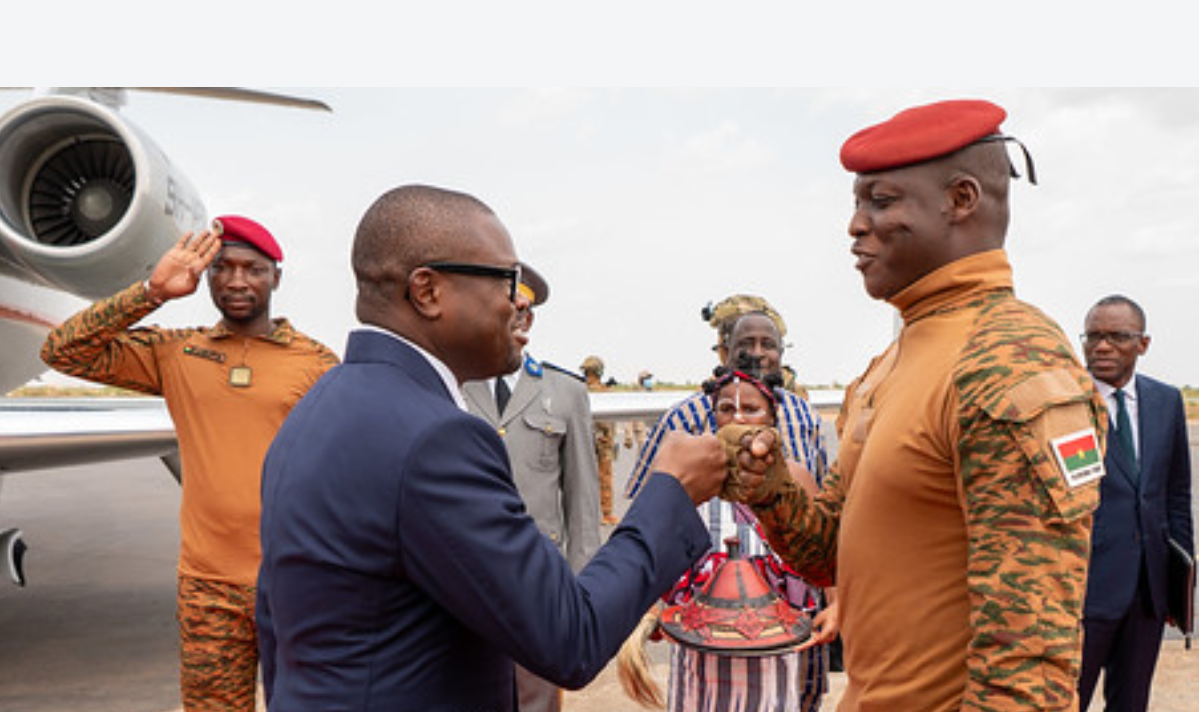
Upon assuming office, Bénin’s new President, Romuald Wadagni, positioned security diplomacy as the cornerstone of his foreign policy. To formalize this warming relationship and inject decisive momentum into discussions, the Béninois head of state personally traveled to Ouagadougou. This presidential visit to Burkina Faso proved instrumental in cementing vital mutual trust, transforming political aspirations into tangible operational realities. Cotonou’s stance was unequivocal: no single country can overcome an asymmetric foe that disregards established geographical boundaries. Bénin’s extended hand met with a positive and pragmatic response from Burkina Faso’s transitional leadership.
koualou at the heart of action: forces deployed on the ground
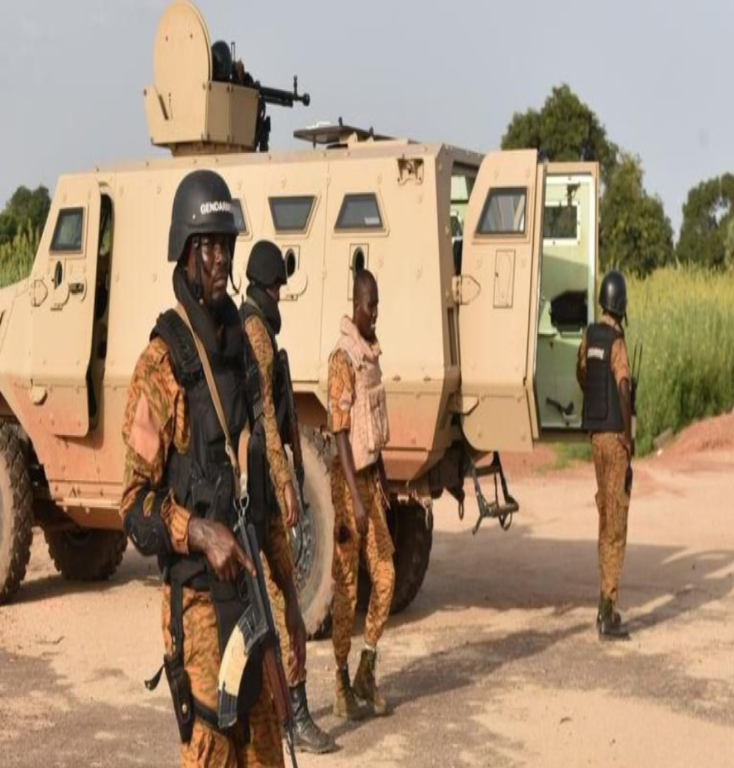
The Koualou region, historically a flashpoint for administrative disputes and a susceptible corridor for terrorist group incursions, now stands as a powerful emblem of this rekindled alliance. A substantial contingent from the Burkinabè Armed Forces (FAB) recently crossed into Bénin, joining the Béninois Defense and Security Forces (FDS) to formally inaugurate these joint patrols.
This synchronized deployment on the ground fundamentally alters the operational landscape. The strategy moves beyond merely observing one’s own territory from the border line; it now encompasses planning coordinated tactical maneuvers. Forces from both nations are actively crisscrossing the Koualou zone in concert. This prominent and proactive military presence serves a dual purpose: firstly, to saturate the frontier area, thereby depriving terrorist networks of their sanctuaries and escape routes; and secondly, to thoroughly reassure local communities—the primary victims of violence—by unequivocally reaffirming the authority of both states over these often-marginalized territories. This is a critical step for security Sahel.
the ultimate weapon: intelligence sharing and interoperability
Beyond the visible troop movements and extensive patrols, the true strength of this enhanced cooperation lies in intelligence sharing. Terrorism across the Sahel thrives on permeable borders and insufficient communication among neighboring militaries. By dismantling these silos, Bénin and Burkina Faso are strategically weakening their adversaries.
Direct collaboration between the military intelligence agencies of both nations now facilitates the real-time exchange of critical data concerning suspicious activities, weapons caches, and the logistical pathways of armed groups. This seamless flow of information ensures an unparalleled level of tactical agility: a threat identified on one side of the border can be promptly addressed or intercepted on the other by the allied military. Interoperability—defined as the capacity for both armies to communicate across shared frequencies and implement uniform tactical procedures—is emerging as the vital foundation of this asymmetric combat, crucial for West Africa Sahel news.
towards a broader regional dynamic
The demonstrated success of this bilateral security integration model is already garnering attention and inspiring similar initiatives throughout the sub-region. Niger is anticipated to emulate Burkina Faso’s proactive stance by embracing the cooperative overtures from Béninois authorities. Niamey’s participation in this burgeoning cross-border collaboration would lay the groundwork for a robust tripartite security framework. Niger’s adherence is paramount for effectively coordinating counter-terrorism efforts within the critical “three borders” zone and along the Niger River, thereby strangling criminal networks attempting to entrench themselves across the region.
the hope for lasting peace
The initiation of joint patrols in Koualou undeniably represents a watershed moment in the military relationship between Bénin and Burkina Faso. Empowered by President Romuald Wadagni’s reinvigorated leadership and the receptive approach of his Sahelian counterparts, West Africa is showcasing its ability to devise robust, homegrown solutions to the complex challenge of terrorism. While the fight is still in its early stages, the groundwork established is undeniably firm. There is strong anticipation that this operational cooperation will deepen, extend into vital areas such as border zone development, and ultimately succeed in completely eradicating the criminal elements that jeopardize the peace of citizens and the sovereignty of our states. This vital step reinforces political Sahel stability.