The newly unveiled Côte d’Ivoire National Development Plan (NDP) 2026-2030 represents the most ambitious economic roadmap ever designed by Abidjan, aiming to pivot the nation’s economy away from its reliance on raw agricultural exports toward higher-value industrial and service sectors. With an estimated budget of $209 billion, the plan sets a bold target: increasing the country’s per capita GDP from $3,148 in 2025 to $4,500 by 2030.
This strategic blueprint follows the 2021-2025 NDP, whose outcomes provided critical insights for the current adjustments. Over the past decade, Côte d’Ivoire has consistently ranked among Africa’s fastest-growing economies, maintaining annual growth rates between 6% and 7%. However, this progress has not translated into significant reductions in poverty or a meaningful expansion of formal employment opportunities. The new plan directly addresses these persistent challenges.
Balancing macroeconomic ambition with social inclusion
The 2026-2030 NDP introduces three key social benchmarks alongside its economic targets. The government aims to double the number of formal jobs, reduce poverty to below 20%, and raise life expectancy to 65 years by 2030. These objectives reflect a deliberate shift toward inclusive growth, where economic gains are more evenly distributed across households. The challenge of formal employment is particularly pressing, as the informal sector still dominates Côte d’Ivoire’s labor market.
Achieving the poverty reduction target will require not only expanded social transfers but also a strategic overhaul of productive sectors. Agriculture, which employs a significant portion of the workforce, must transition toward higher-value processing of cocoa, cashews, and rubber. This shift is essential for ensuring the long-term feasibility of the plan’s economic projections.
Securing $209 billion: a financing puzzle
The $209 billion budget raises immediate questions about funding mechanisms. Abidjan will need to strike a balance between domestic revenue, private sector participation, multilateral partnerships, and sovereign debt markets. Côte d’Ivoire has earned a reputation as a leading sub-Saharan issuer of sovereign bonds, with several successful eurobond issuances in recent years. While this provides financial flexibility, rising global interest rates and public debt levels demand careful fiscal management.
The private sector’s expected contribution will be closely monitored by international investors. Authorities plan to leverage public-private partnerships to fund major infrastructure projects in energy, transportation, and digital infrastructure. Meanwhile, the government’s Social Program—focusing on health, education, and basic services—will absorb a substantial share of direct public investment.
The regional context: opportunities and constraints
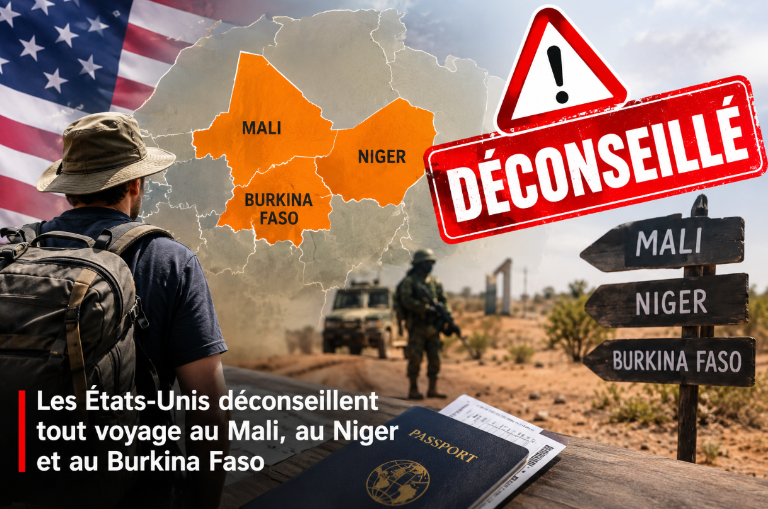
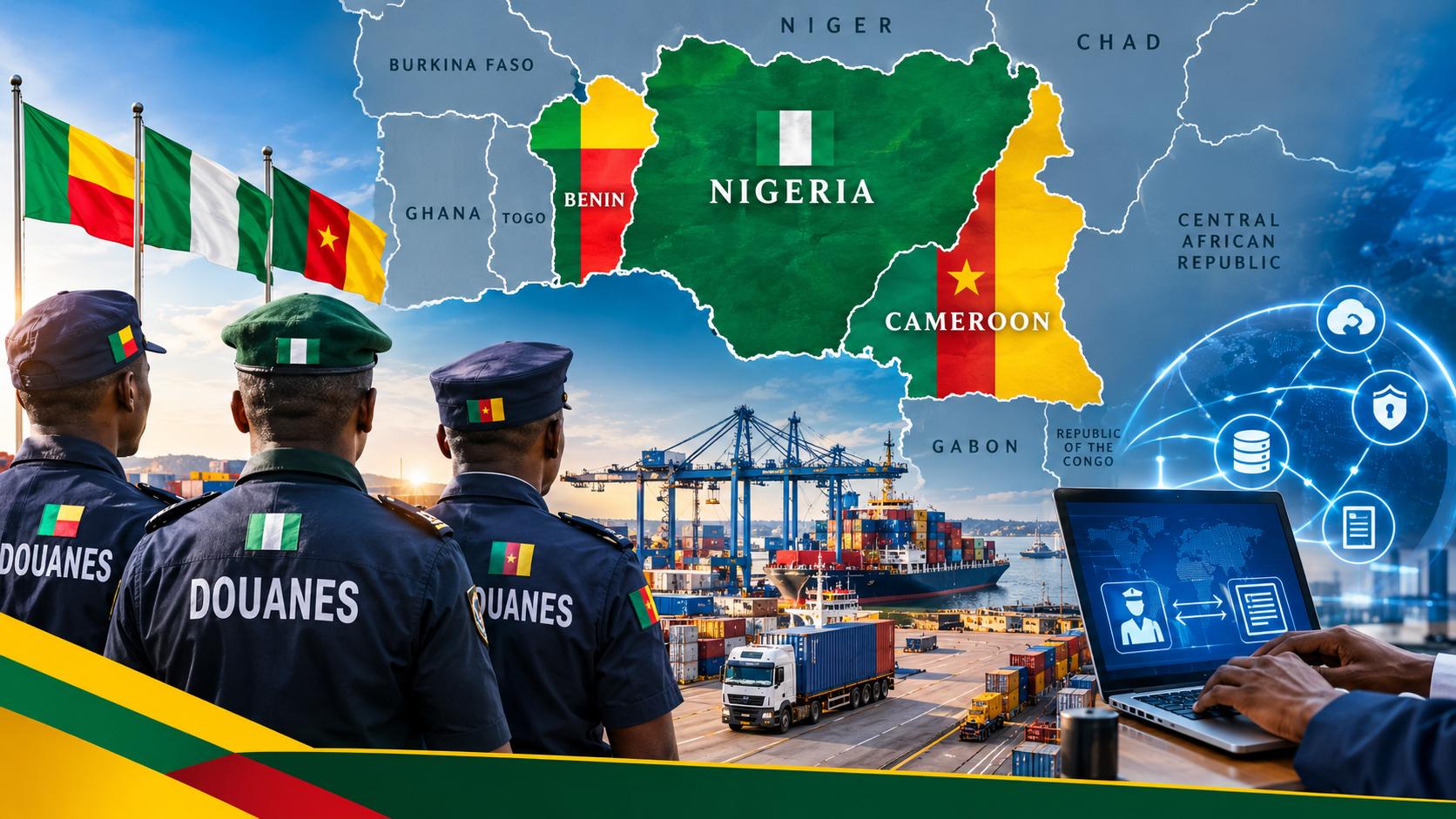
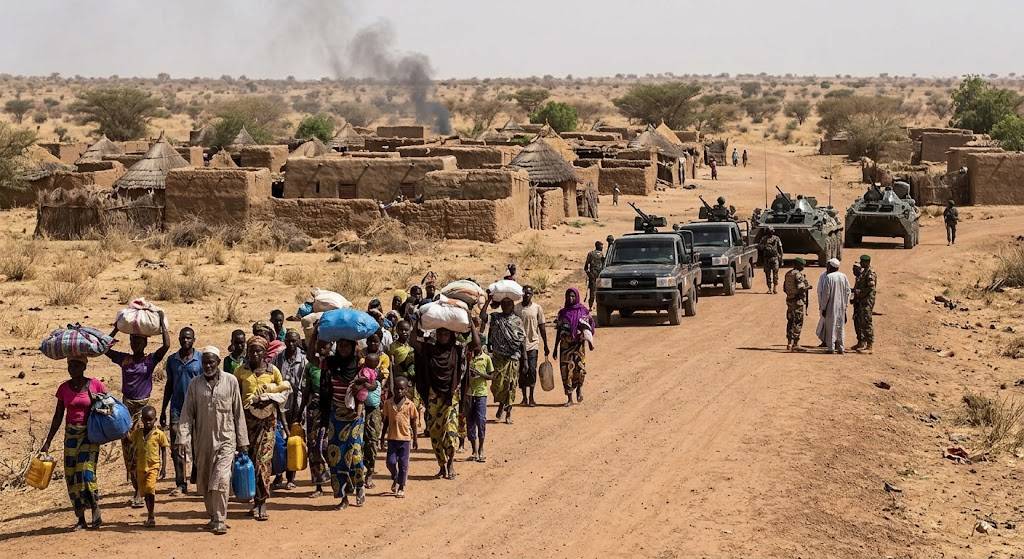
The successful execution of the NDP will be shaped by West Africa’s evolving dynamics. Côte d’Ivoire operates in a region undergoing significant changes, including shifts in the Economic Community of West African States (ECOWAS) and security concerns in the Sahel. As the leading economy of the West African Economic and Monetary Union (WAEMU), Côte d’Ivoire must demonstrate resilience to external shocks while maintaining a stable business environment.
The plan’s credibility will hinge on effective implementation and transparent progress reviews. Past development strategies have often faced discrepancies between ambitious targets and actual disbursement rates. Additionally, the 2026-2030 period coincides with a politically sensitive cycle, which could influence the pace of structural reforms—particularly in taxation and land governance.