
Diplomatic maneuvering: Côte d’Ivoire’s envoy in Moscow
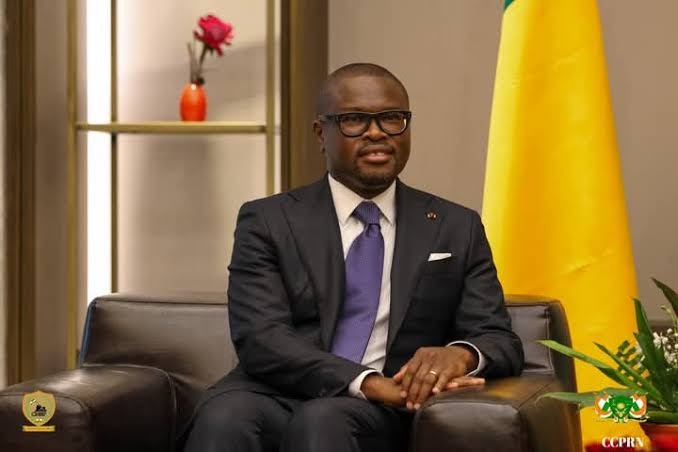
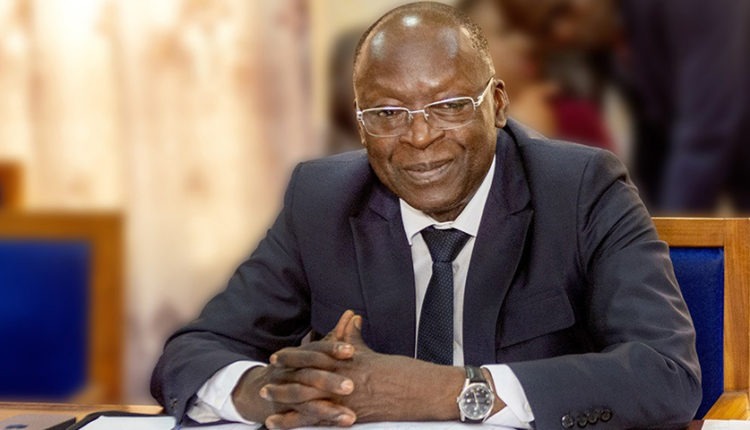
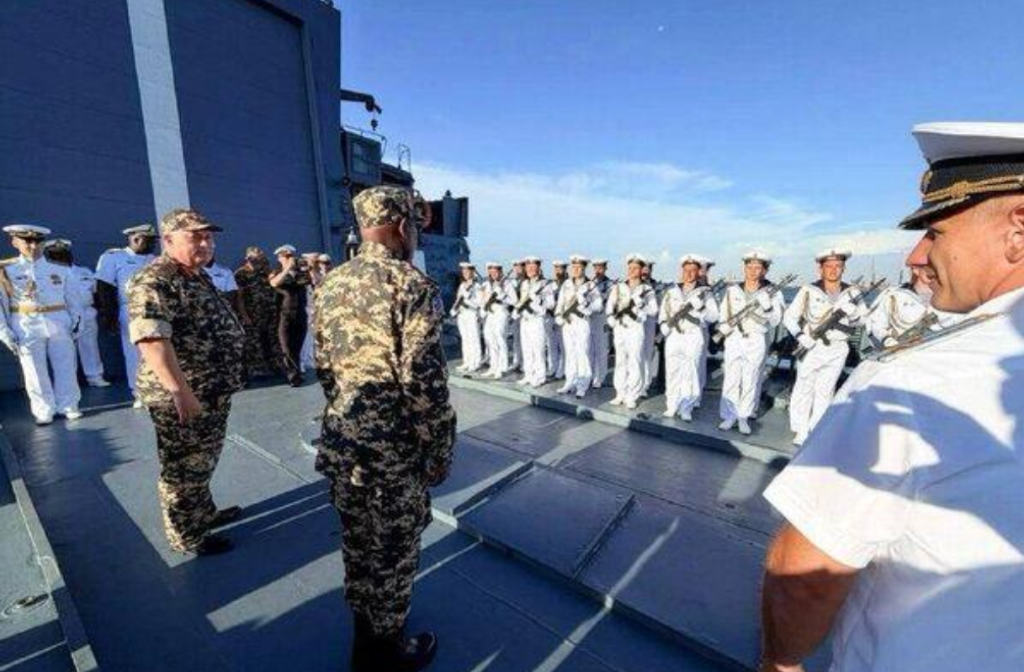
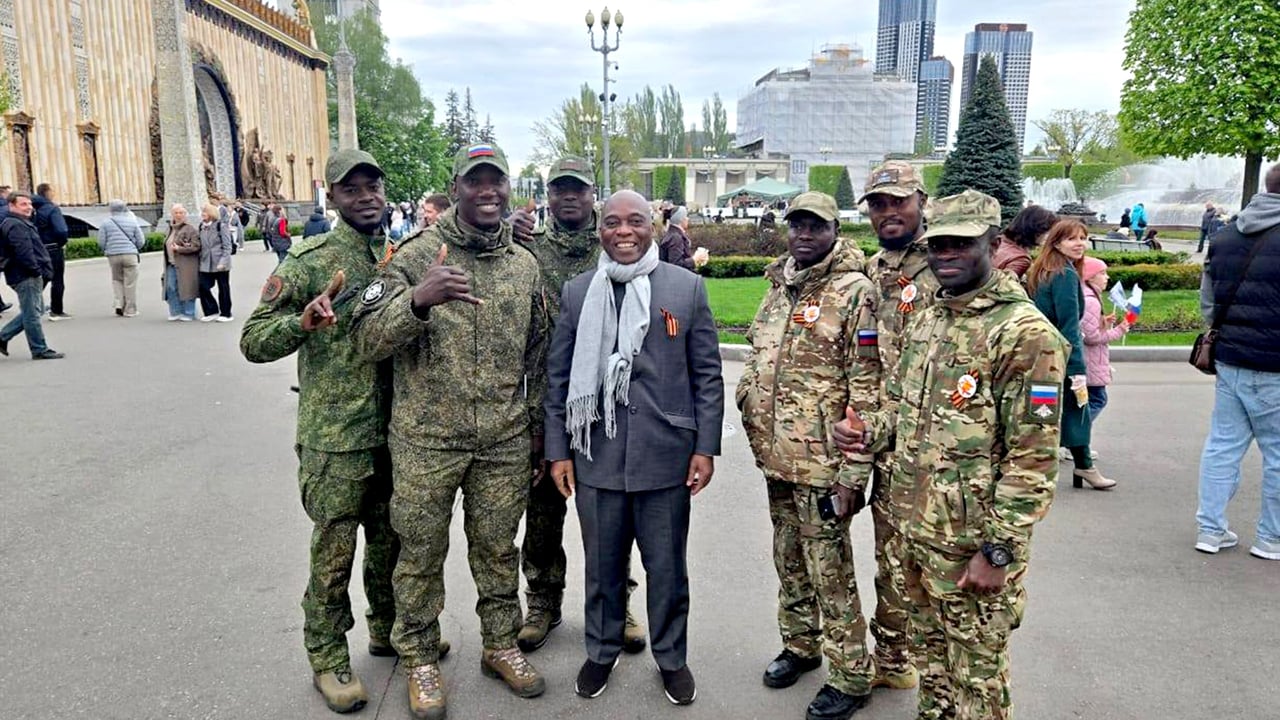
Behind closed doors in the Russian capital, a significant diplomatic interaction unfolded earlier this month. Ahoua Don Mello, Côte d’Ivoire’s Ambassador to Russia, engaged in high-level discussions that have raised eyebrows across political circles. The visit, shrouded in discretion, took place outside the framework of the PPA-CI party’s official agenda, sparking curiosity about its true purpose.
The timing of the trip coincides with heightened geopolitical tensions in West Africa, where regional alliances are being reevaluated. While the Ivorian government has maintained a neutral stance in international disputes, this Moscow visit suggests a strategic recalibration in its foreign policy approach. Observers note that such behind-the-scenes diplomacy often precedes broader policy shifts.
Key discussions and unanswered questions
The meetings held in Moscow remain largely undisclosed, with no official statements released by either the Ivorian or Russian authorities. However, insiders report that economic cooperation, security partnerships, and potential energy agreements were central to the talks. Given Côte d’Ivoire’s growing role in regional stability, these conversations could have far-reaching implications.
One question lingers: Why choose Moscow at this moment? Analysts speculate that Côte d’Ivoire may be exploring alternative alliances to diversify its international partnerships. The absence of traditional Western allies in these discussions further fuels speculation about a potential pivot in the country’s diplomatic strategy.
Regional dynamics and Côte d’Ivoire’s evolving role
As West Africa navigates complex security challenges, Côte d’Ivoire has positioned itself as a stabilizing force. The country’s diplomatic outreach to non-traditional partners like Russia reflects a broader trend in the Sahel region, where nations are seeking to balance relationships with global powers.
While the PPA-CI party maintains control domestically, the Ambassador’s Moscow trip signals a nuanced approach to international relations. Whether this marks the beginning of a new chapter in Côte d’Ivoire’s foreign policy remains to be seen, but the visit undoubtedly adds a layer of intrigue to the country’s diplomatic landscape.
What’s next for Côte d’Ivoire’s diplomacy?
The coming weeks will be crucial in determining the outcomes of these discussions. If agreements are reached, we could witness a shift in Côte d’Ivoire’s international alliances, particularly in sectors like energy and defense. For now, the focus remains on what transpired in Moscow and how it will shape the country’s future engagements.
One thing is certain: Côte d’Ivoire is carefully navigating its path on the global stage, balancing domestic priorities with strategic international partnerships.