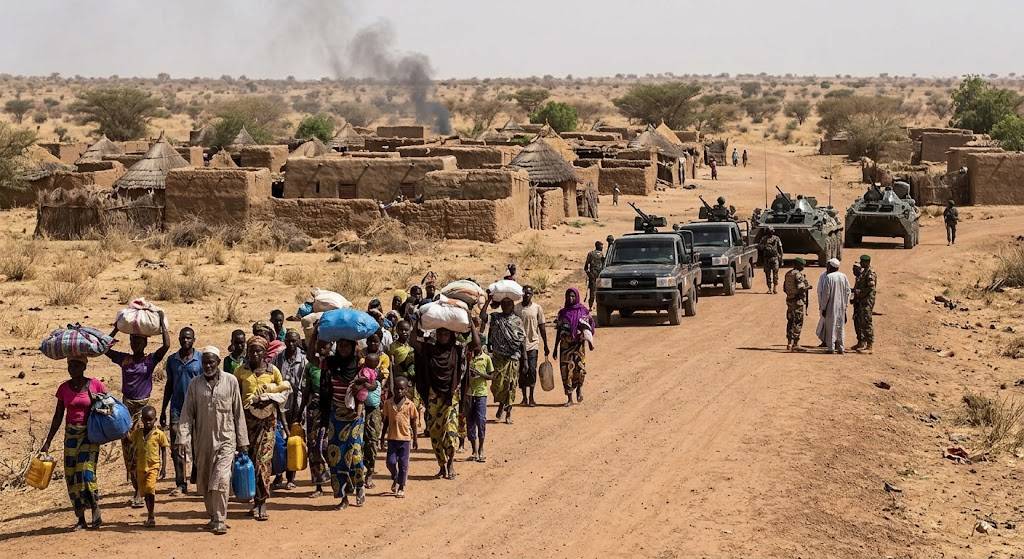
The Burkina Faso of today is a nation grappling with an unprecedented humanitarian and security crisis, yet the priorities of its transitional leadership appear increasingly misaligned with the urgent needs of its people. While the country faces daily attacks, besieged villages, and a growing number of internally displaced persons struggling for survival, the halls of power seem preoccupied with a different agenda.
From the battlefield to the bookshelf: a stark disconnect
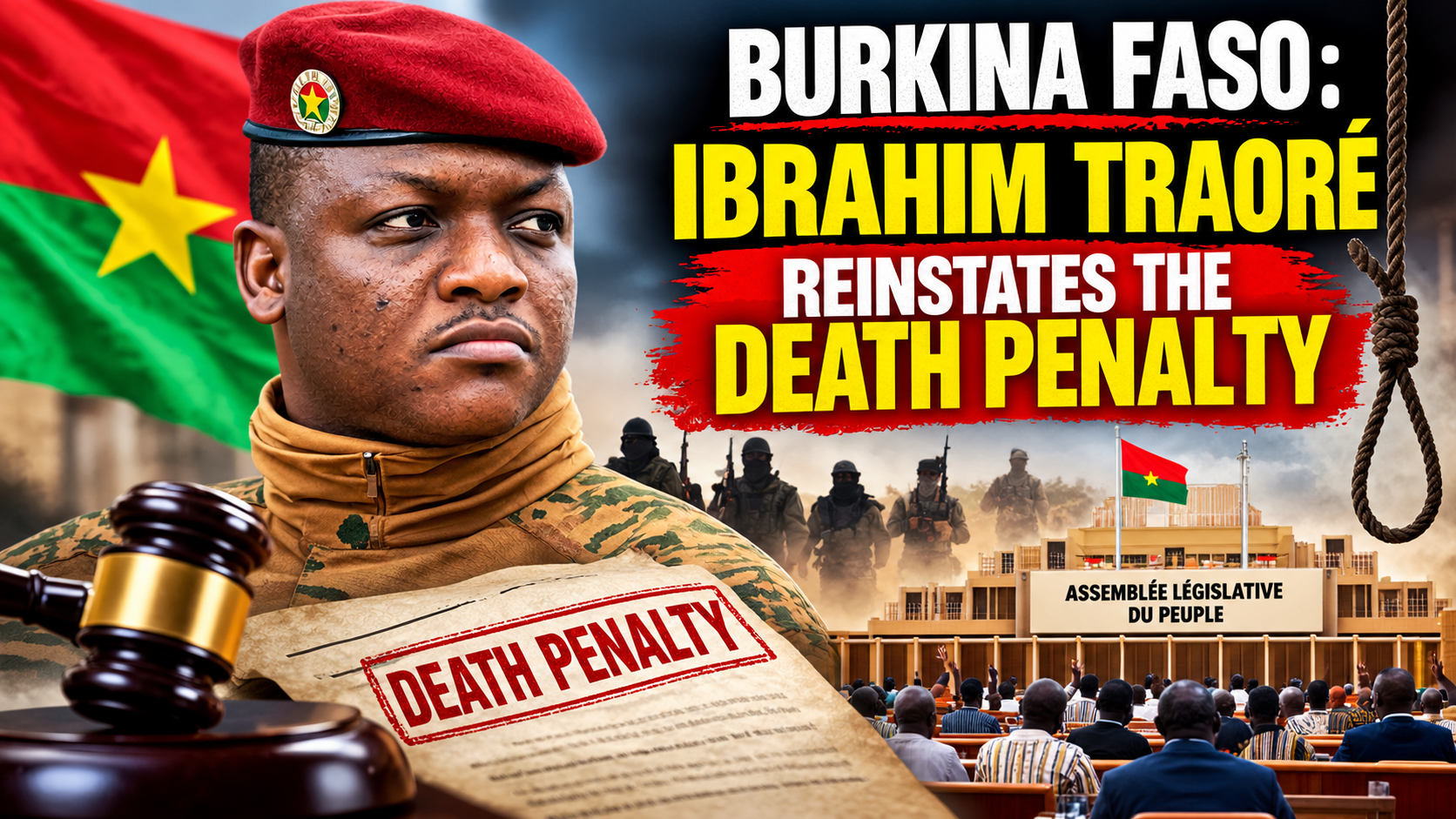
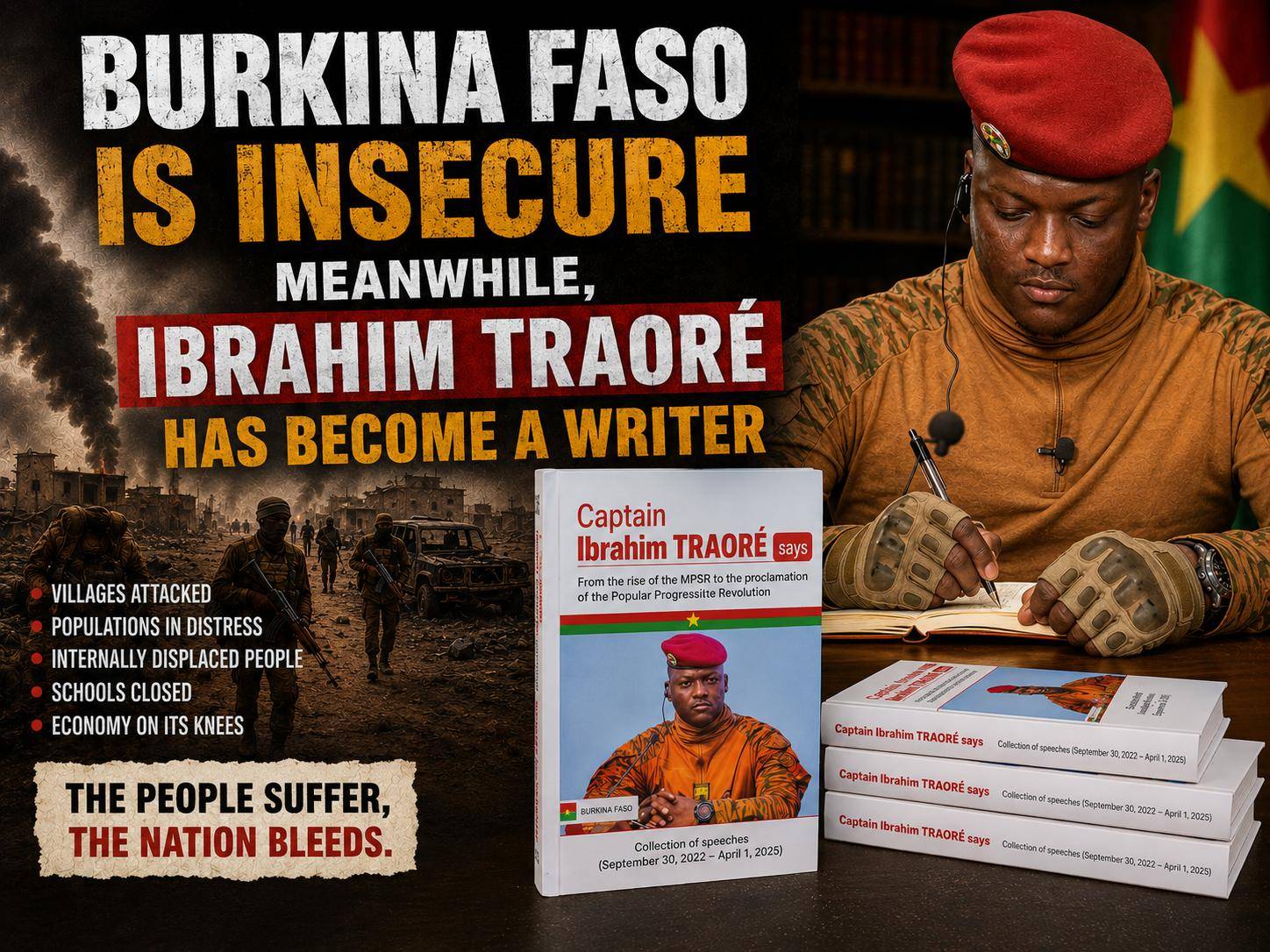
The recent unveiling of a book attributed to Captain Ibrahim Traoré has sparked widespread bewilderment and frustration. This initiative, presented as a contribution to national discourse, stands in stark contrast to the realities faced by citizens across Ouagadougou and its most remote regions. The message from the streets is unequivocal: the population does not crave literature—it demands security.
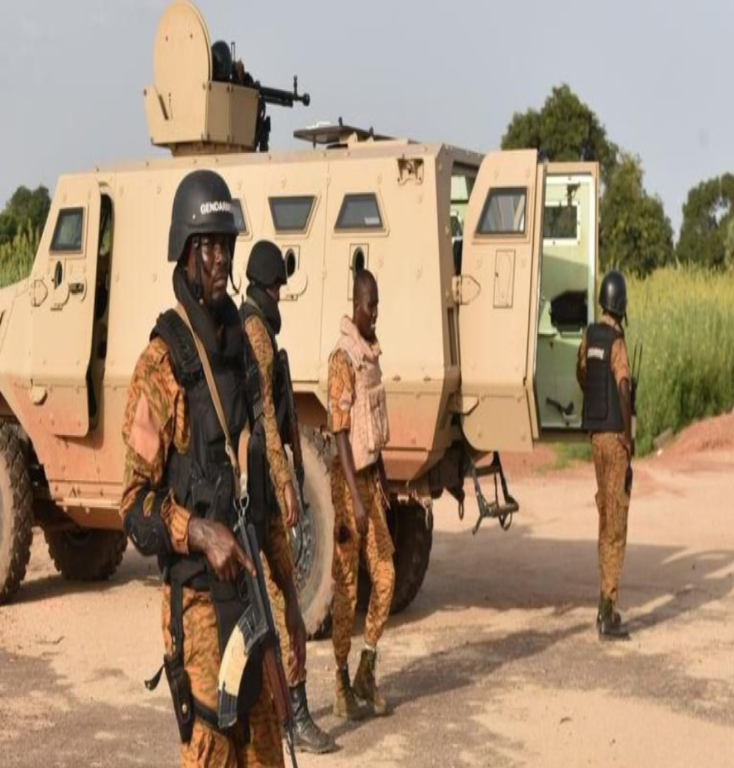
The timing of this literary endeavor could not be more ill-timed. At a moment when Burkina Faso’s Defence and Security Forces (FDS) and the Volunteers for the Defence of the Homeland (VDP) are stretched thin, lacking even basic logistical support in many areas, allocating resources to state-sponsored publications appears not only tone-deaf but dangerously misplaced. Words alone cannot extinguish fires, nor can slogans protect lives.
« The people do not need stories; they need their homeland returned to them. »
— A civil society activist speaking on condition of anonymity
A broken promise and mounting discontent
When Captain Ibrahim Traoré assumed leadership, he entered into an unspoken social contract with the nation: to restore territorial integrity and bring peace to regions where previous administrations had failed. The trust placed in him was rooted solely in the expectation of decisive military action.
Yet today, the focus has shifted from strategic action to personality-driven propaganda. By prioritizing the cultivation of an image over tangible solutions, the transition government risks alienating a population pushed to its limits. The tolerance for unfulfilled promises has worn dangerously thin. Across the country, the sentiment is clear: if the primary mission of securing the nation cannot be achieved, the leadership must step aside.
The path forward: leadership or illusion?
The transitional government now stands at a critical juncture. Continuing to treat the presidency as a platform for political marketing, rather than a command center for national security, will only deepen the rift with the people it claims to serve.
Burkina Faso does not need a figurehead for public relations—it requires a leader with strategic vision capable of restoring stability. If Captain Traoré does not immediately refocus the nation’s priorities on the singular goal of security, history may record his tenure as one defined by the ink of illusion, while the country burns.