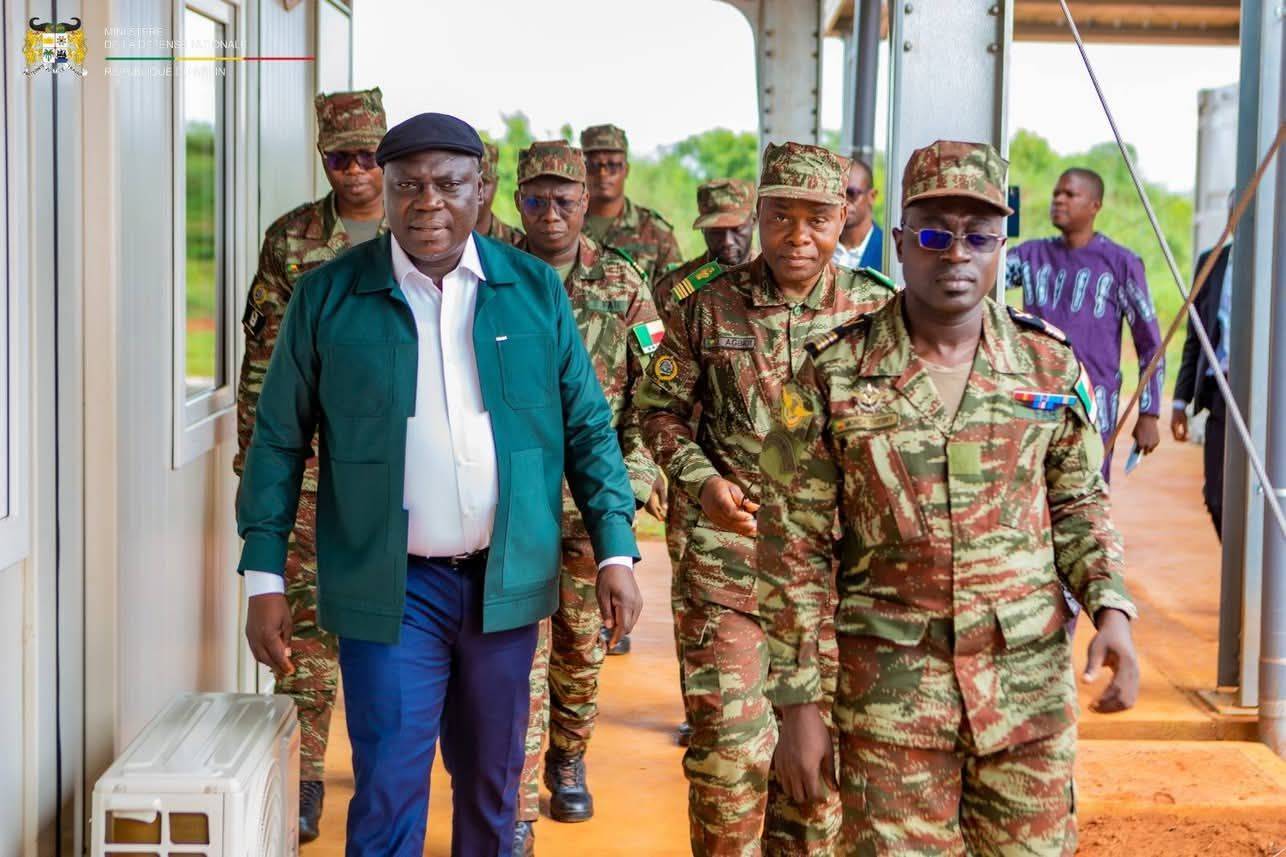
Recent military directives in Niger have sparked intense debate among security analysts and governance observers across the Sahel. The decision to split Operation Garkoi into two new tactical headquarters—Operation Akarasse along the Algerian border and Operation Klafoki along the Chadian border—has raised serious questions about its true intent and consequences.
Questionable restructuring in a nation under strain
The move, officially framed as an effort to enhance efficiency and coordination, has drawn sharp criticism from those who see it as a costly bureaucratic maneuver. Critics argue that the creation of two parallel command structures automatically requires additional high-ranking officers, detachment leaders, and administrative layers, all funded at a time when Niger grapples with unprecedented social and economic hardship.
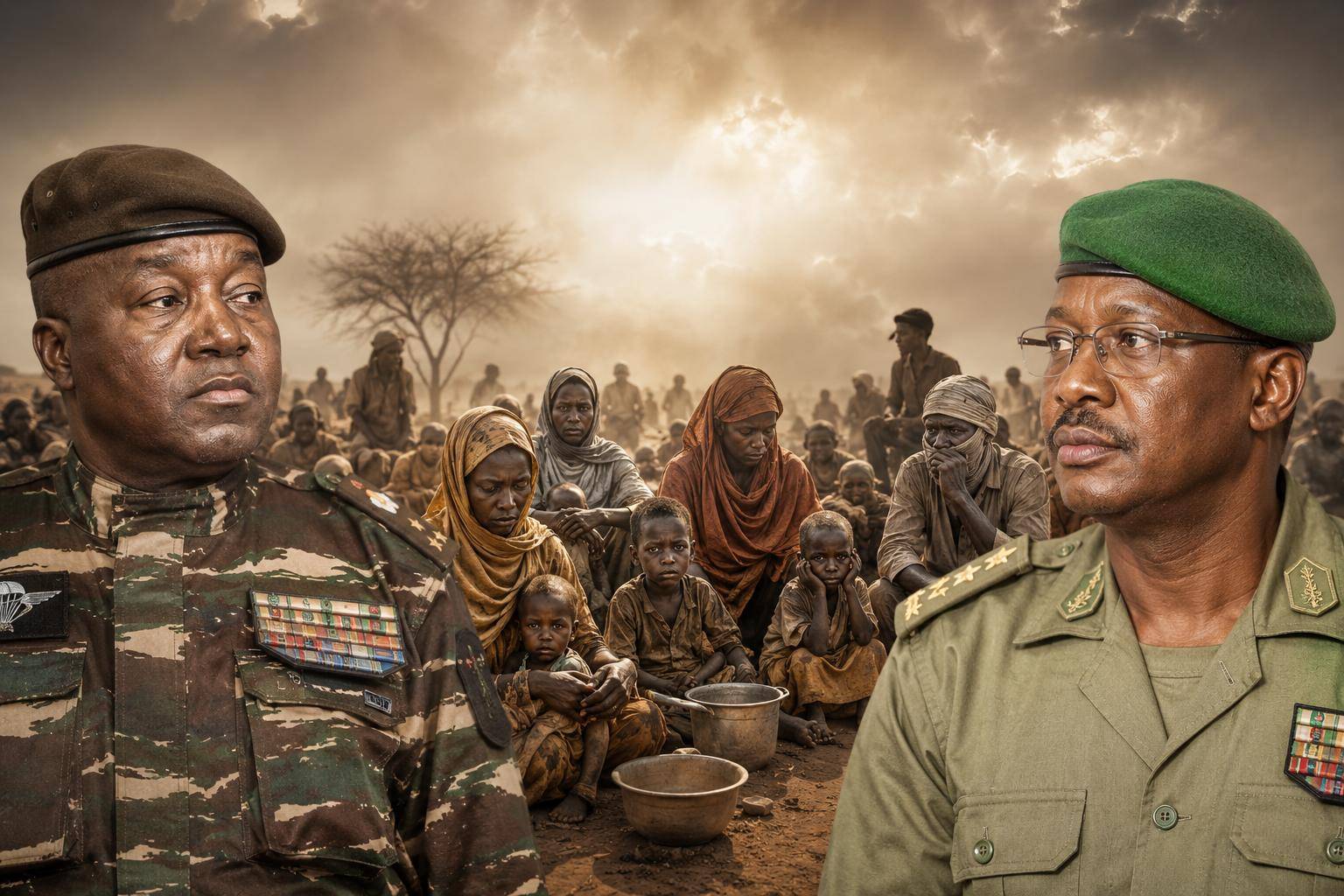
While the military expands its command centers in Bilma and Arlit, ordinary citizens face mounting deprivation. The contrast is glaring—teachers hired on temporary contracts have gone months without pay, pushing families into deep financial insecurity. Allocating public funds to support new military infrastructure, rather than addressing urgent social needs, has been condemned as a reckless misuse of resources.
Military pressure exposes vulnerabilities
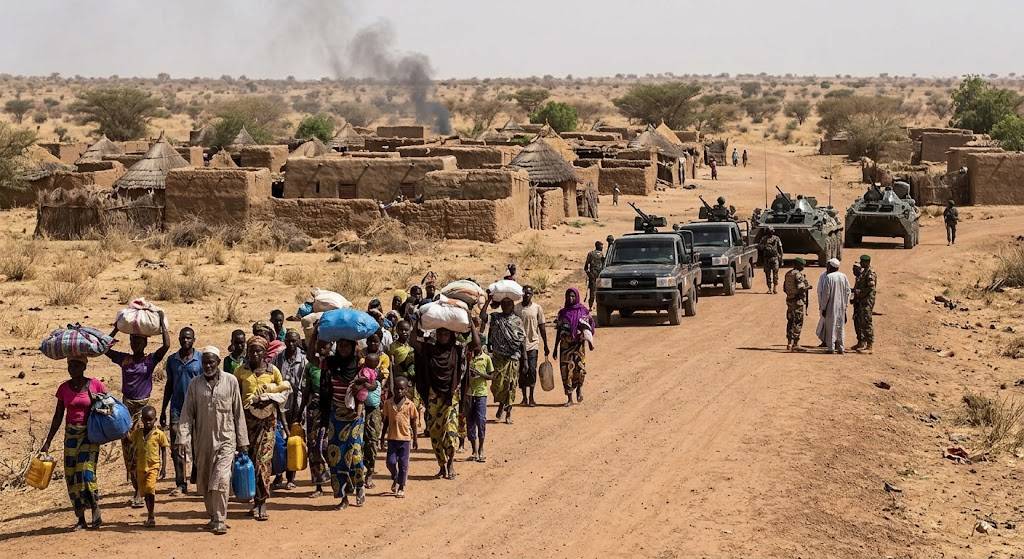
Beyond financial concerns, the restructuring reveals a deeper military dilemma. The need to establish two separate operational commands suggests that the existing structure has become overwhelmed by the relentless pressure of armed groups operating across Niger’s borders. Whether linked to Al-Qaeda, the Islamic State, or Boko Haram, these groups continue to expand their reach, forcing the army into a defensive posture.
The fragmentation of command reflects an army stretched thin, forced to divide its focus between two critical but distant fronts. This division underscores the growing intensity of the security threat, revealing that the military is struggling to maintain control over vast border regions. Rather than signaling a strategic advance, the move highlights a desperate effort to contain breaches in a conflict that shows no signs of abating.
Public funds diverted, priorities neglected
In the eyes of critics, the new operational commands represent more than just a tactical adjustment—they symbolize a systemic failure. Public resources are being redirected toward military bureaucracy at the expense of essential services, including education and healthcare. The decision to prioritize command expansion over the welfare of the population has fueled public frustration and deepened skepticism toward military leadership.
The restructuring of Niger’s military commands may offer short-term tactical adjustments, but it also exposes long-term weaknesses in governance, financial stewardship, and national security. As the crisis deepens, the human and economic costs of this approach continue to mount, leaving many to question whether this strategy will ultimately strengthen or further destabilize the country.