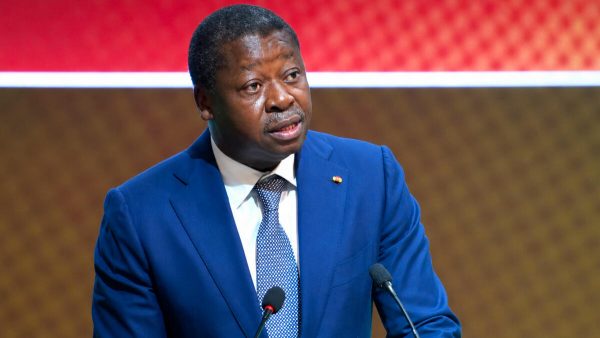
Faure Essozimna Gnassingbé delivered a blunt message during the opening of Biashara Afrika’s third edition in Lomé. The forum, held on May 18, 2026, brought together continental leaders to push for actionable economic outcomes, moving beyond political rhetoric to concrete strategies that foster sustainable growth and deeper African integration.
The Togolese capital has emerged as the epicenter of pragmatic African commerce. On that Monday, Lomé hosted high-level decision-makers for the continent’s premier forum on intra-African trade and investment. Organized jointly by the African Continental Free Trade Area (AfCFTA) Secretariat and the Togolese government, Biashara Afrika 3 set the tone for a bold push toward economic transformation.
Gnassingbé used his platform to issue a clarion call to fellow leaders: “The era of vision must now give way to results.” He underscored Africa’s historic opportunity to convert political ambition into economic reality, dismissing lingering skepticism as obsolete.
Togo: A living laboratory for the AfCFTA
The Togolese leader didn’t just speak in abstract terms—he presented his country’s roadmap as tangible proof of progress. Positioned strategically, Togo is leveraging its infrastructure to become a linchpin of the AfCFTA:
- A reinforced regional connectivity network to streamline trade corridors.
- A world-class logistics hub anchored by its deep-water port, unique in West Africa.
- Bold structural reforms consistently recognized for enhancing the business environment.
Through this model, Lomé aims to demonstrate how economic integration can yield immediate dividends—provided political will aligns with the needs of businesses.
Daunting numbers, daunting challenges
The AfCFTA isn’t just another trade initiative—it’s a monumental project with unparalleled scale:
AfCFTA by the numbers
- 55 signatory countries.
- 1.4 billion consumers.
- Combined GDP estimated at $3.4 trillion.
Yet, this visionary framework faces harsh realities on the ground. Biashara Afrika 3 zeroed in on critical bottlenecks stifling intra-African trade, including:
- Removing non-tariff barriers.
- Closing chronic infrastructure gaps.
- Easing access to financing.
- Revamping fragmented value chains.
- Integrating small and medium-sized enterprises (SMEs) into cross-border trade.
These priorities reflect the urgent need to make the AfCFTA not just a legal framework, but a functioning marketplace.
From promises to progress: The AfCFTA’s moment of truth
Voices from the forum echoed Gnassingbé’s urgency. A Kenyan entrepreneur stressed the need to “move from intentions to tangible outcomes.” A Nigerian economist highlighted the AfCFTA’s credibility hinging on SME inclusion. These perspectives underscore the pressure on policymakers to deliver swift, inclusive implementation.
The AfCFTA isn’t just about economics—it’s a geopolitical statement. Africa is positioning itself as a unified force in global trade, countering protectionist pressures and reshaping its role in international commerce. The message from Lomé is unequivocal: the framework is ready, the resources are available, and the time for execution is now.