Controversy over Burkina Faso’s sovereignty project sparks debate
Burkina Faso’s unconventional sovereignty initiative draws sharp criticism
The proposal by a Burkinabè movement to establish an “embassy for extraterrestrials” as a means to bolster national sovereignty has ignited widespread discussion. The announcement, which has trended across social media platforms, has drawn mixed reactions, with critics questioning its relevance amid the country’s pressing security, economic, and social challenges.
Public debate divided over priorities
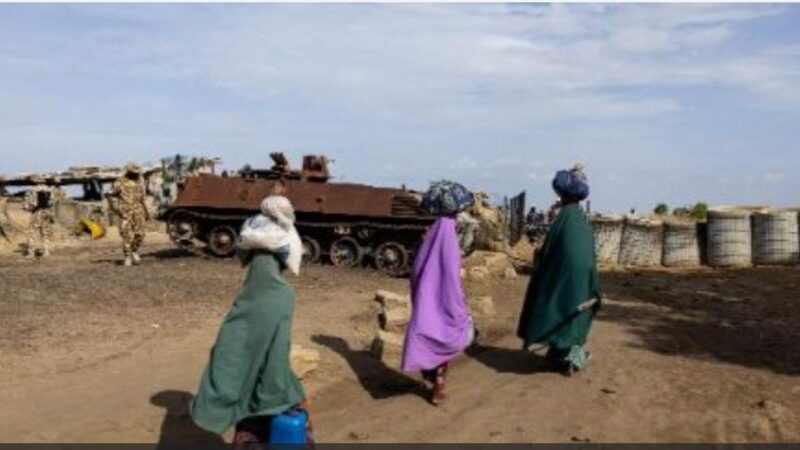
While some observers view the initiative as a reflection of the current political and media climate in Burkina Faso, others argue that such a proposition highlights a disconnect between government priorities and the daily struggles of Burkinabè citizens. Critics point out that in a nation grappling with insurgency, economic instability, and social unrest, discussions about extraterrestrial diplomacy seem out of touch with reality.
Proponents of the embassy idea claim it could enhance national security, boost tourism revenues, and even accelerate sovereignty-building efforts. However, these assertions have left many skeptics baffled, as they lack concrete evidence or scientific basis. The idea of extraterrestrial protection being linked to state security or economic development strikes many as far-fetched, if not absurd.
Government’s stance remains ambiguous
Some critics suggest that since the 2022 coup led by Captain Ibrahim Traoré, public discourse in Burkina Faso has seen an increase in unconventional proposals that deviate from the country’s immediate needs. This case, they argue, exemplifies a broader trend of misplaced priorities and raises concerns about the nation’s direction.
On the other hand, supporters of the initiative argue that declarations from civil society or activist groups do not necessarily reflect the official stance of the Burkinabè government. They emphasize the importance of distinguishing between individual initiatives and state policies, cautioning against conflating the two.
Sovereignty redefined: what truly matters?
For many observers, sovereignty is not built on speculative or fantastical claims but on tangible actions. Strengthening institutions, combating insecurity, fostering job creation, improving governance, and developing infrastructure are cited as the real pillars of national sovereignty. They argue that diverting attention to hypothetical extraterrestrial embassies detracts from the urgent priorities Burkina Faso faces today.
The debate also reignites discussions on the very definition of sovereignty. Critics contend that true sovereignty is measured by a state’s ability to protect its people, grow its economy, and enhance the quality of life for its citizens—not by endorsing ideas that lack logical or empirical foundation.