Bénin uses drones and AI to tackle malaria in six pilot towns
The Beninese government has launched an innovative campaign combining artificial intelligence, geospatial mapping, and drone technology to eliminate mosquito breeding grounds and curb malaria transmission. With a budget of $2.3 million funded by Japan and supported by UNICEF, the initiative targets six key municipalities across the country. This forward-thinking approach promises lasting relief for communities plagued by the economic and health burden of malaria.
Cotonou hosts launch of AI-driven anti-malaria drone program
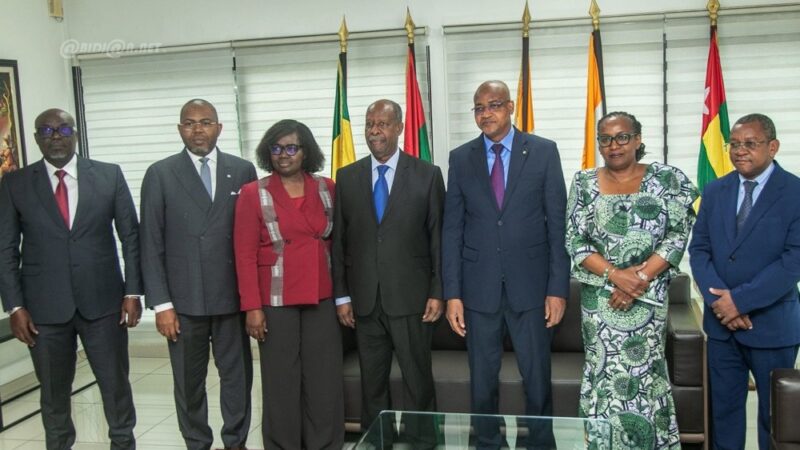
On June 30, 2026, Benin’s Minister of Health, Professor Benjamin Hounkpatin, unveiled a groundbreaking public-private partnership aimed at revolutionizing malaria prevention. The project, called “Integrated Action for Malaria Prevention: Public-Private Partnership and Youth Community Engagement,” brings together cutting-edge technology and grassroots mobilization to fight one of the country’s most persistent health challenges.
Speaking at the official ceremony in Cotonou, attended by the Japanese Ambassador and UNICEF representatives, the Minister emphasized the shift from reactive to proactive measures. Instead of relying solely on mosquito nets and treatments, the strategy now focuses on eliminating mosquito larvae before they can spread the disease.
A high-tech triad to outsmart malaria
For decades, Benin’s fight against malaria followed a familiar pattern: distributing bed nets, administering treatments, and raising awareness. This initiative, however, introduces a triple technological breakthrough:
- Geospatial mapping and AI: Advanced software analyzes topography and weather data to pinpoint mosquito breeding sites with remarkable accuracy.
- WHO-approved larvicides: Environmentally safe chemicals are selected to target larvae without harming other species.
- Precision drone deployment: Unmanned aerial vehicles navigate even the most remote or inaccessible areas to deliver larvicides directly to breeding grounds.
“This method drastically reduces mosquito populations at their source,” explained Professor Hounkpatin. “The drones ensure we reach every corner of these communities, no matter how difficult the terrain. It’s a game-changer for public health.”
Six municipalities at the forefront of the battle
The pilot phase spans six diverse locations, each facing unique ecological and demographic challenges:
- Copargo (rural, high-risk zones)
- Djougou (urban-rural interface)
- Tchaourou (agricultural heartland)
- Ouidah (historical coastal town)
- Abomey-Calavi (peri-urban sprawl)
- Cotonou (densely populated capital)
The $2.3 million funding from Japan underscores international confidence in Benin’s strategy. The project aligns with the national “Bénin 2060 Alafia” vision and global health resilience goals, positioning the country as a leader in innovative malaria control.
Economic relief for struggling households
For families like that of Amavi, a fabric vendor and mother of four in Abomey-Calavi, malaria’s financial toll is devastating. Last rainy season, two of her children required hospitalization, draining over 60,000 West African francs (about $100) from her monthly earnings. “When my kids are sick, I lose days at the market,” she shared. “If these drones can stop the mosquitoes before they bite, it means food on the table and stability for my family.”
The economic impact extends beyond individual households. Artisans, farmers, and small traders across the pilot zones face recurring losses due to malaria-related absenteeism. By reducing disease transmission, the drone initiative aims to boost local productivity and financial resilience in the informal sector, which employs the majority of Benin’s workforce.
Youth empowerment drives community action
UNICEF’s involvement highlights the critical role of young people in sustaining this effort. Local youth are trained as community health advocates, tasked with monitoring drone operations, promoting hygiene practices (such as eliminating standing water), and educating neighbors on malaria prevention.
“Technology alone won’t win this fight,” noted UNICEF’s Deputy Representative in Benin. “It’s the combination of innovation and community ownership that will create lasting change. These young leaders are the backbone of this campaign.”
A blueprint for future health security
If the pilot succeeds, Benin plans to expand the model nationwide and potentially across West Africa. The integrated approach—combining drones, vaccines, and citizen vigilance—sets a new standard for malaria eradication. As the drones take flight in the pilot towns, they carry not just larvicides, but the promise of a healthier, more prosperous future for Benin’s families.