Côte d’Ivoire intensifies efforts to bolster local animal and fish production
Côte d’Ivoire is strategically moving to significantly enhance its domestic animal and fisheries output, a critical step towards lessening its reliance on foreign imports. This initiative comes as the nation recorded a staggering 782 billion CFA francs spent on imported meats and offal in 2024. Bouadi Beda Paul, the Director of Financial Affairs at the Ministry of Animal and Fisheries Resources (MIRAH), underscored the urgency of this transformation.
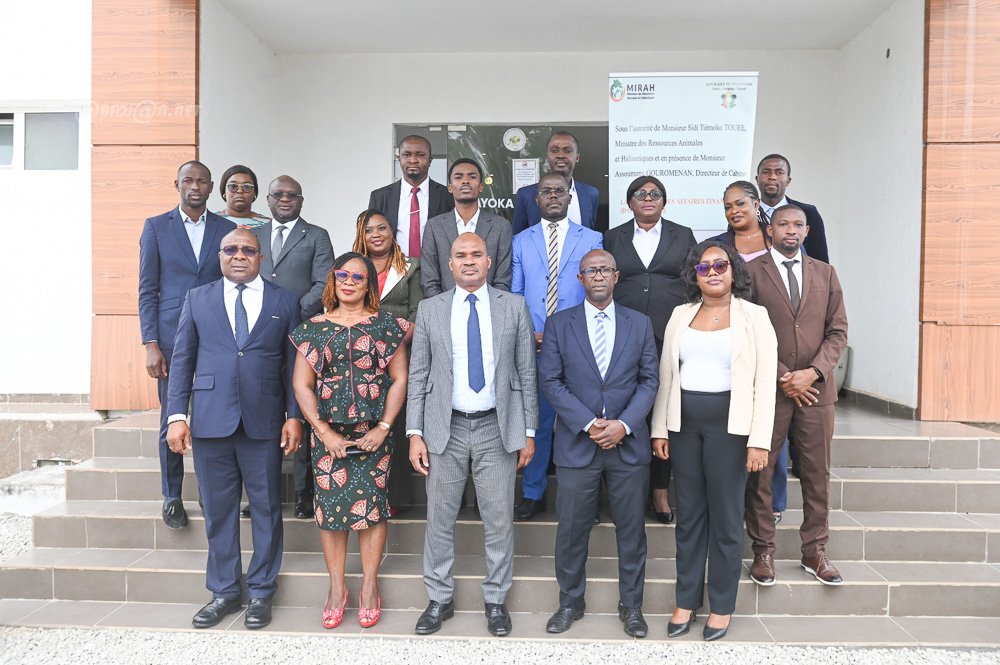
Speaking at a workshop held in Jacqueville on Wednesday, July 29, 2026, dedicated to refining the Multi-Year Expenditure Programming Document and Annual Performance Projects (DPPD-PAP) for 2027-2029, Bouadi Beda Paul emphasized the vital need for results-driven budgetary planning to effectively tackle the sector’s inherent challenges.
The nation’s comprehensive National Policy for Livestock, Fisheries, and Aquaculture Development (PONADEPA) 2026-2030 is designed with a core objective: to fortify food sovereignty and actively encourage private sector investment across these crucial domains.
“In an environment focused on achieving tangible outcomes, the meticulous development of the DPPD-PAP is no longer merely an option; it stands as an absolute imperative,” Bouadi Beda Paul stated.
Organized by MIRAH’s financial affairs directorate, the workshop, running from July 29 to 31, convened key leaders from various ministerial departments. Their collective aim was to pinpoint the most pressing needs and priorities for the upcoming three-year period.
The document emerging from these intensive deliberations will be instrumental in clearly outlining the ministry’s specific objectives, defining the actions required to achieve them, and establishing robust monitoring indicators to meticulously assess the efficient utilization of public funds.
Furthermore, the Director of Financial Affairs passionately encouraged young Ivorians to explore career paths within the livestock, pisciculture, and aquaculture industries, highlighting these sectors as fertile grounds brimming with promising employment opportunities.