Tchad: pardon presidential to opposition leaders sparks cautious optimism
Tchad: pardon presidential to opposition leaders sparks cautious optimism
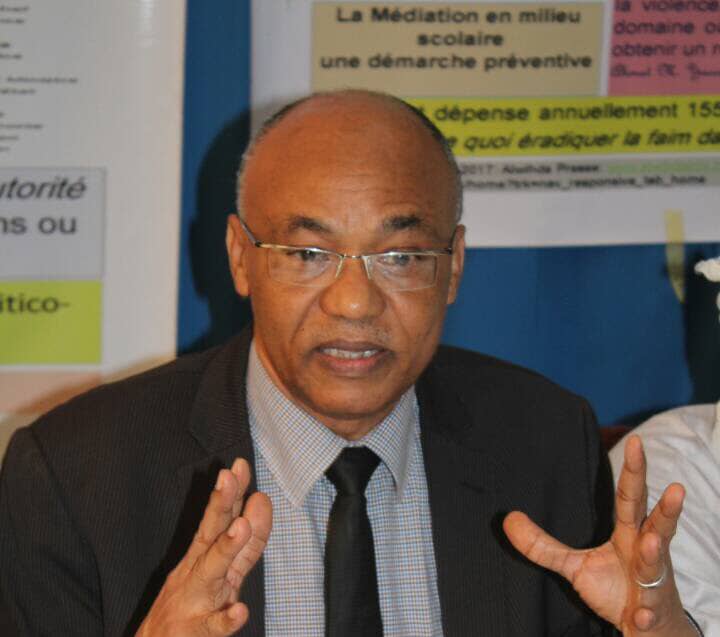
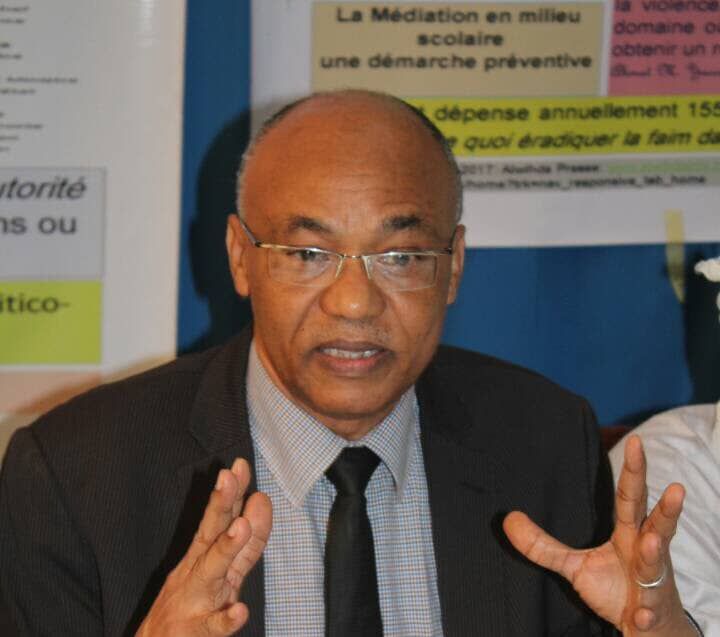
The recent presidential pardon granted to prominent opposition figures in Tchad marks a significant political gesture, according to Dr. Ahmat Yacoub Dabio, conflict resolution expert. As president of the Center for Development Studies and Extremism Prevention (CEDPE), he emphasizes that this measure temporarily alleviates political tensions and creates an opportunity for dialogue and stabilization.
Temporary relief with lingering challenges
While the presidential pardon has sparked cautious optimism, Dr. Dabio cautions against equating this gesture with lasting political reconciliation. The core issue remains the absence of structural solutions to deep-seated political divisions. A critical paradox persists: while several opposition leaders now benefit from clemency, they remain barred from electoral participation due to ineligibility clauses.
This paradox is reshaping Tchad’s political landscape in unexpected ways. Traditional parties may face fragmentation, prompting them to reorganize. Meanwhile, a new generation of political leaders could emerge, focusing on tangible issues such as employment, purchasing power, security, and justice—concerns that resonate most with ordinary citizens.
Beyond pardon: the path to sustainable reconciliation
Despite the positive signals sent by the presidential pardon, the risk of renewed frustration looms large. Dr. Dabio stresses that a pardon alone cannot rebuild trust between the ruling power and the opposition. For this opening to translate into a meaningful national reconciliation process, Tchad needs a credible, inclusive, and transparent framework to address the underlying grievances and ensure fair political participation.