Maroc pivotal in french spy release from Mali
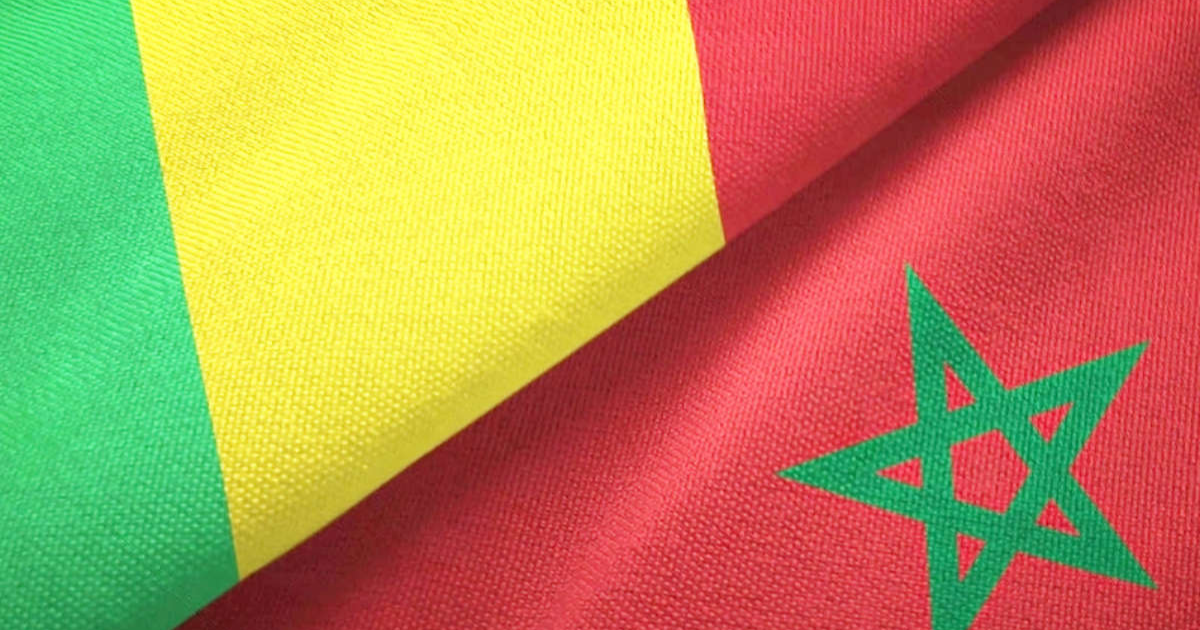
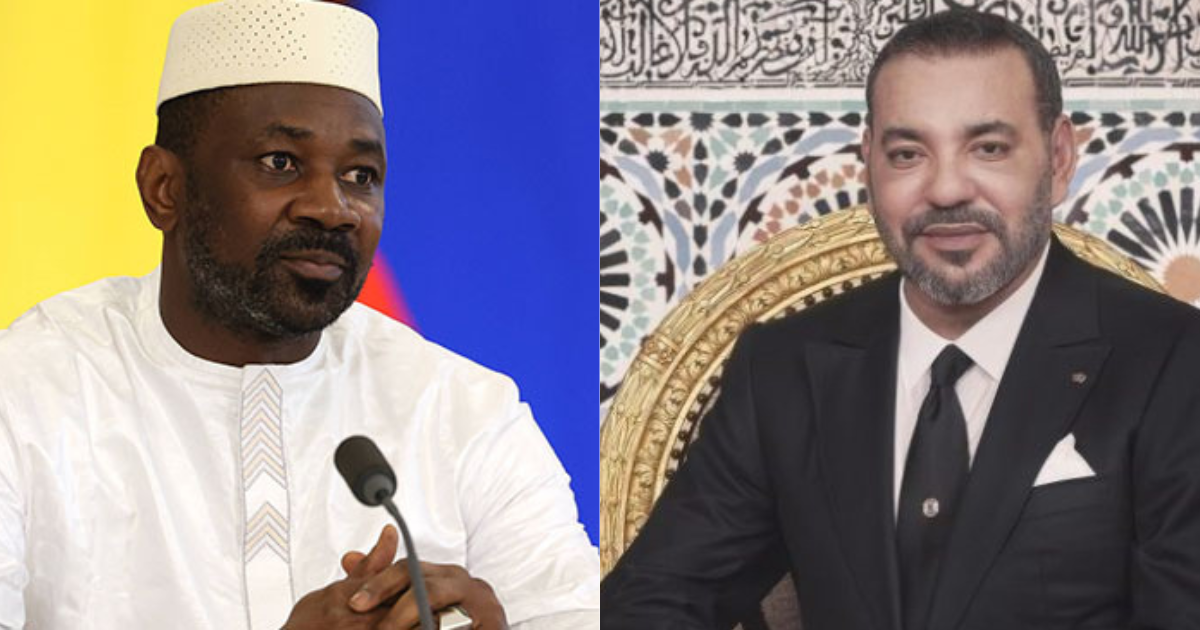
In a significant diplomatic breakthrough, Morocco has emerged as the linchpin in the liberation of Yann Vézilier, a French intelligence operative from the DGSE, who had been held in Mali for nearly a year. The mediation efforts spearheaded by Rabat culminated in a presidential pardon granted by Malian leader Assimi Goïta, marking a pivotal moment in Sahelian diplomacy.
Diplomatic mediation yields results
Vézilier, who was detained in August 2025, faced a harsh sentence of 20 years imprisonment in June 2026 on charges of jeopardizing Mali’s national security. His release on August 13, 2026, followed intense behind-the-scenes negotiations facilitated by Morocco. A statement from Malian authorities acknowledged the role of a “fraternal country” through “good offices,” widely interpreted as a nod to Morocco’s involvement.
This successful intervention underscores the trust Bamako places in Rabat’s diplomatic acumen. Despite regional political shifts, Morocco has maintained strong ties with Sahelian nations, leveraging its unique position to foster dialogue where others have struggled.
Regional strategy pays dividends
The timing of Vézilier’s release is notable, echoing Morocco’s earlier diplomatic triumph in neighboring Burkina Faso. In December 2024, Rabat played a crucial role in securing the freedom of four French DGSE agents imprisoned in Ouagadougou after other channels had failed.
Morocco’s approach in the Sahel combines security cooperation, economic exchanges, and training programs, positioning it as a preferred partner for dialogue in sensitive matters. This pragmatic strategy has reinforced its reputation as a reliable intermediary between Europe and the Sahelian states.
Broader implications for Sahel diplomacy
The successful mediation demonstrates Morocco’s growing influence in regional security dynamics. By acting as a bridge between conflicting parties, Rabat has carved out a unique role for itself in the complex geopolitical landscape of West Africa. This development may reshape future diplomatic engagements in the Sahel, where trust and direct communication channels are increasingly valuable.