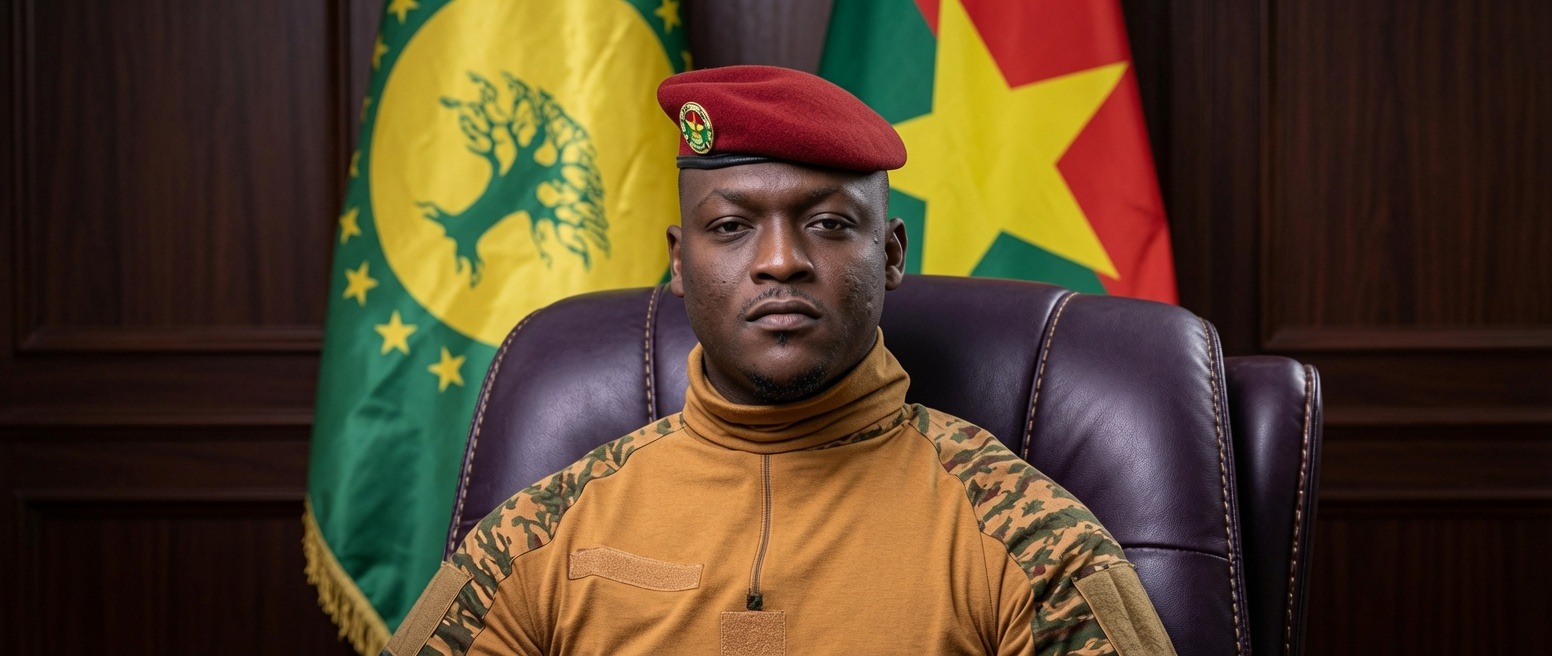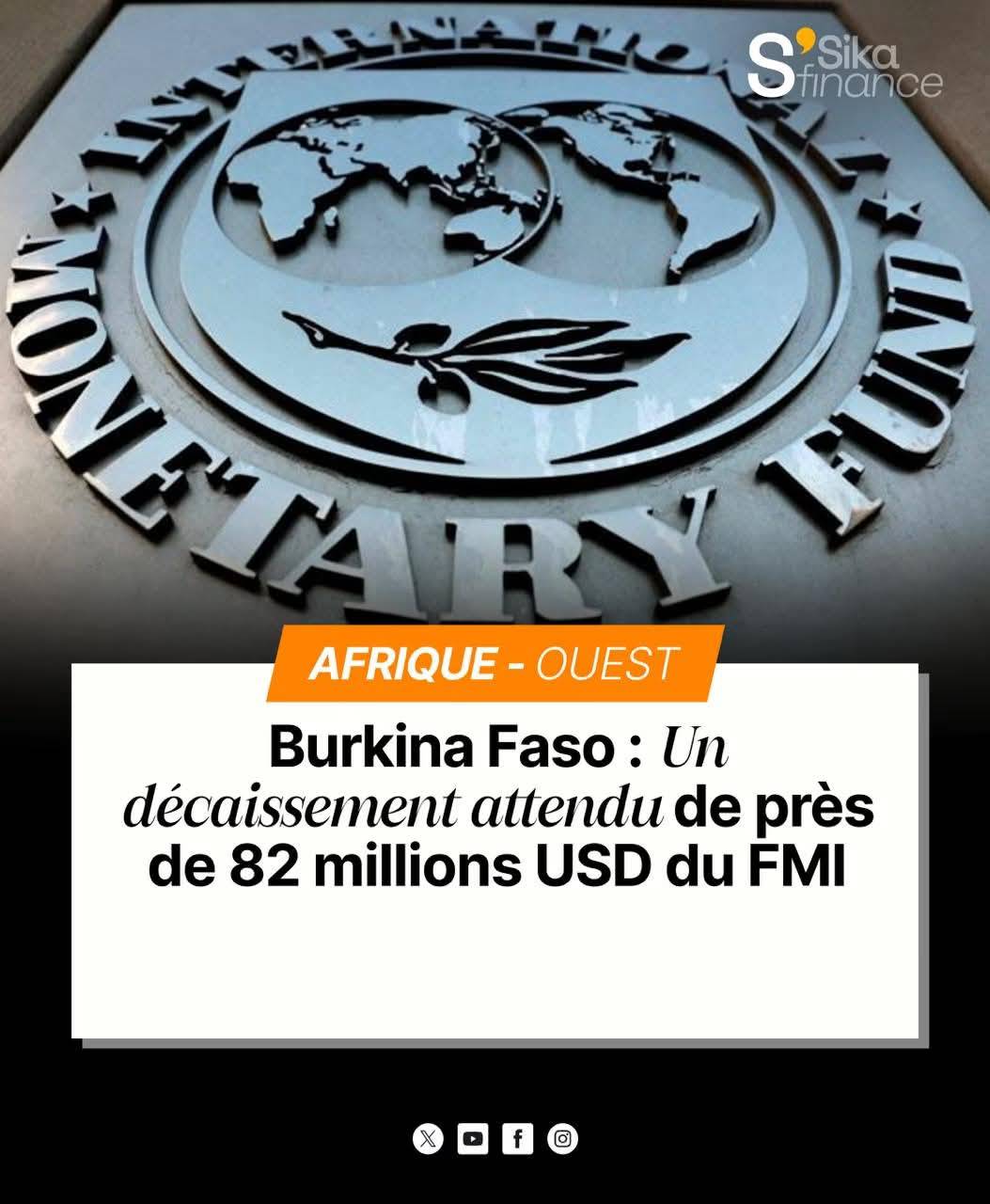
In Ouagadougou, the transitional authorities are doubling down on their pledge to distance themselves from traditional Western partners, yet the country faces an urgent financial lifeline from an unexpected quarter. The International Monetary Fund (IMF) has provisionally approved a $82 million disbursement, a move that spotlights a stark contradiction between political rhetoric and economic necessity. As the nation grapples with a grinding security crisis, this funding could provide much-needed relief for a country on the brink of fiscal collapse.
From principle to payment: the IMF’s cautious approval process
The IMF’s announcement marks a critical milestone, but the funds are not yet in Burkina Faso’s hands. The Extended Credit Facility (ECF) agreement reached at the technical level must still secure formal clearance from the Fund’s Board of Directors. This procedural hurdle underscores the unpredictability of international finance: even when terms are agreed, final validation remains uncertain.
The ECF is designed for countries facing prolonged balance-of-payments crises, offering a lifeline to stabilize economies in distress. For Burkina Faso, this disbursement could ease immediate budgetary pressures, but only if Ouagadougou meets the IMF’s stringent conditions—conditions that force a reckoning between political ideals and economic survival.
Sovereignty vs. survival: the hard choices facing Burkina Faso’s leaders
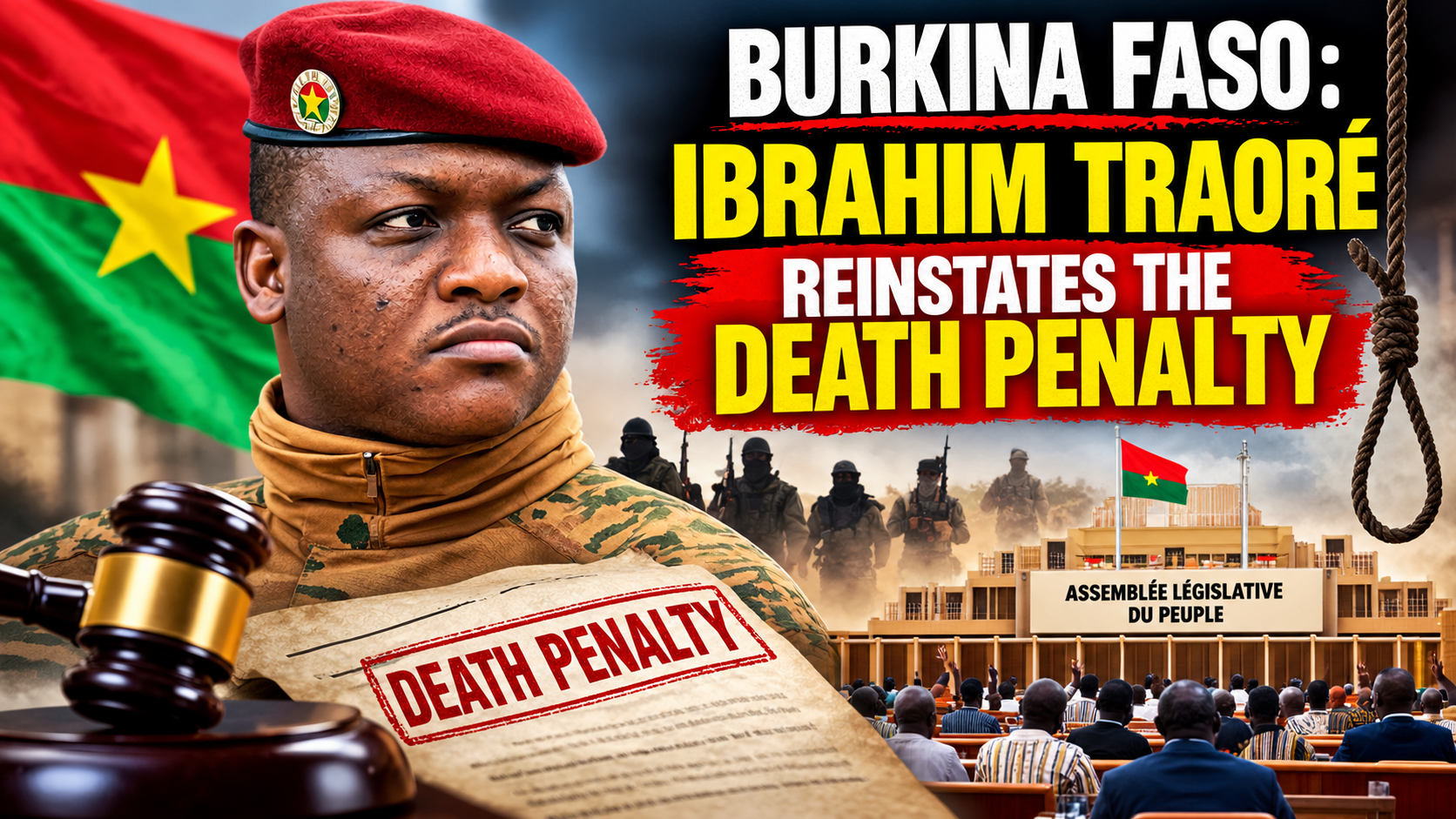
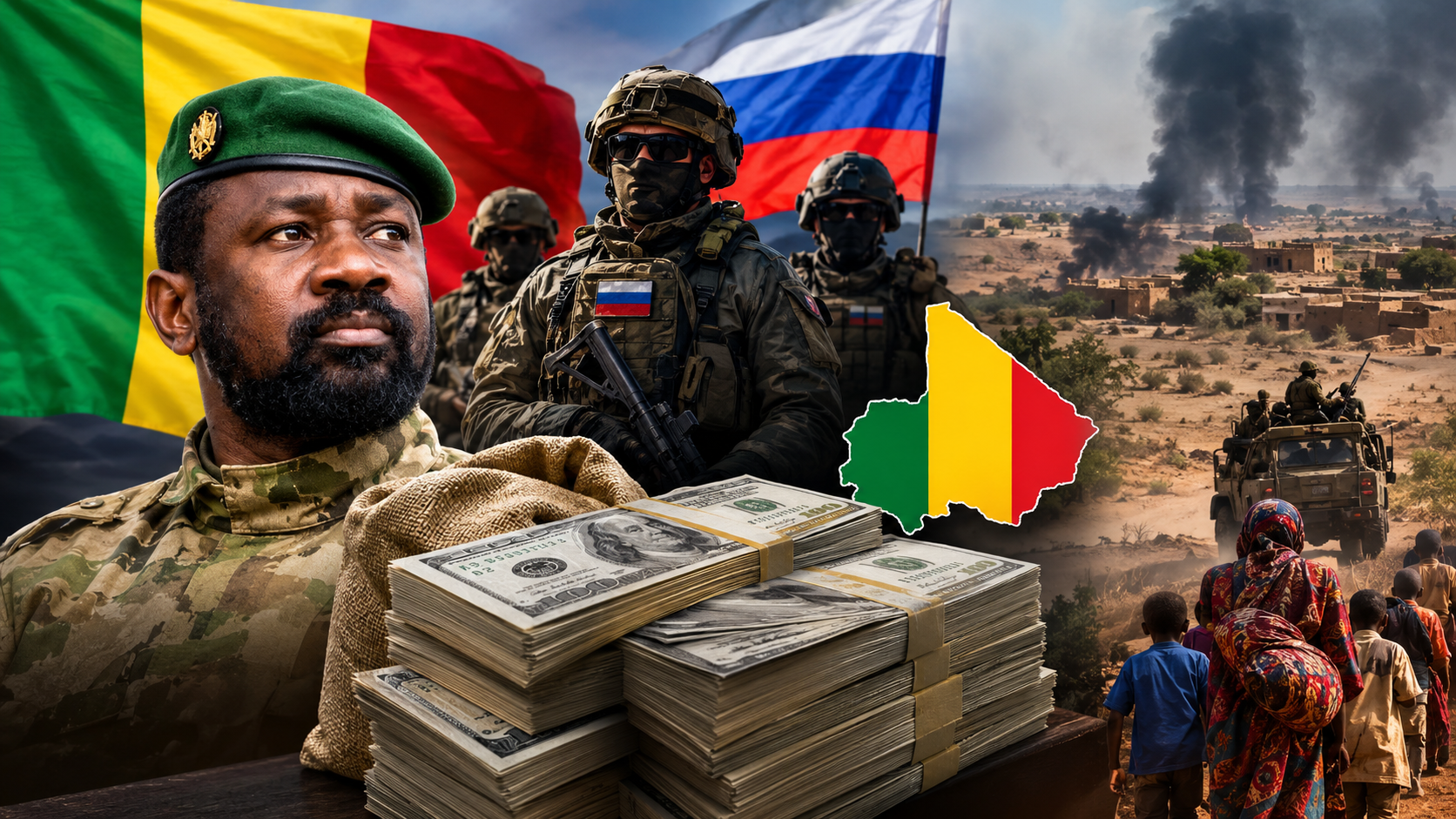
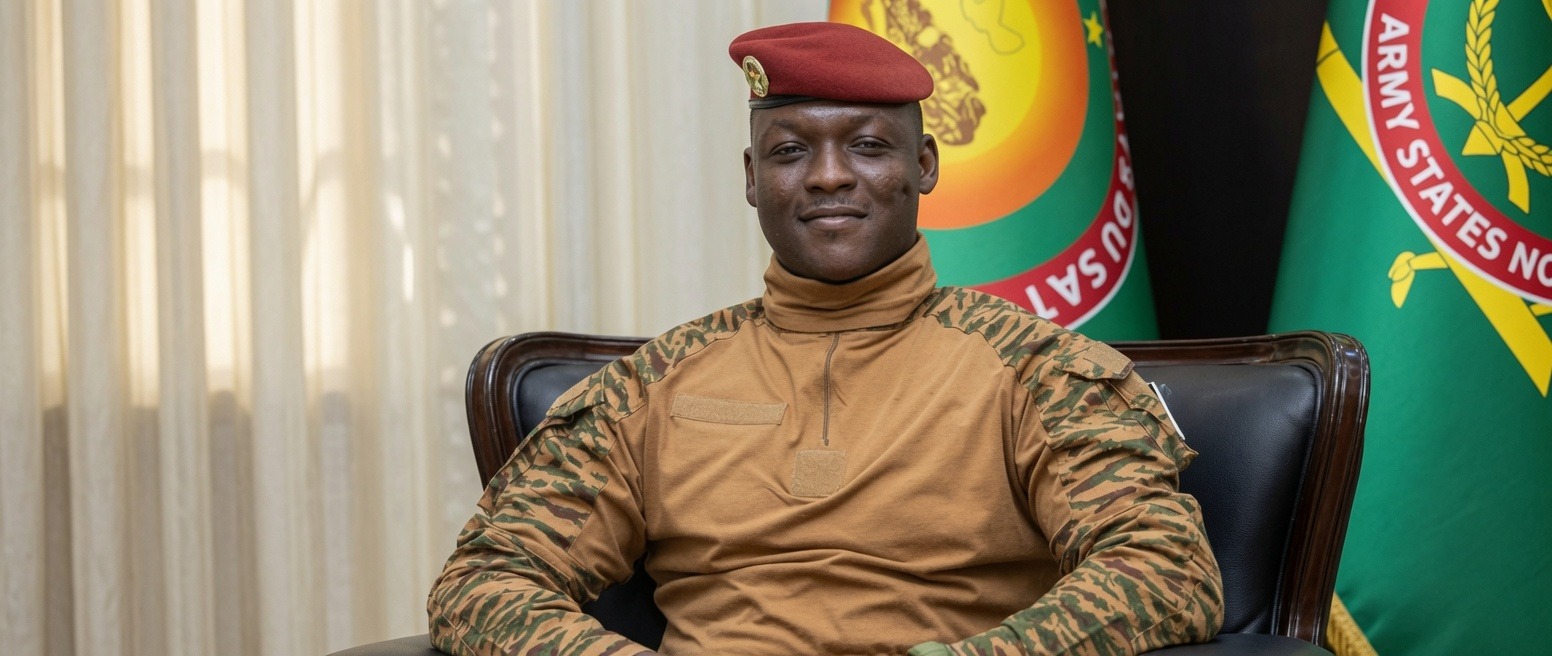
The military-led transition has championed an uncompromising stance on sovereignty, severing ties with former partners like France and scaling back cooperation with the European Union. Instead, the government has pivoted toward alternative alliances, notably with Russia, to secure political and military support. Yet when it comes to balancing the national budget and funding essential services, even the most ardent sovereignists must confront reality.
The IMF, long a lightning rod for criticism from anti-Western factions in Africa, now finds itself in the unlikely role of Burkina Faso’s financial savior. The irony is palpable: a regime that rails against Western financial institutions is forced to rely on them to avert economic disaster. The disconnect between public declarations and fiscal pragmatism has never been more glaring.
Security collapse throttles the economy
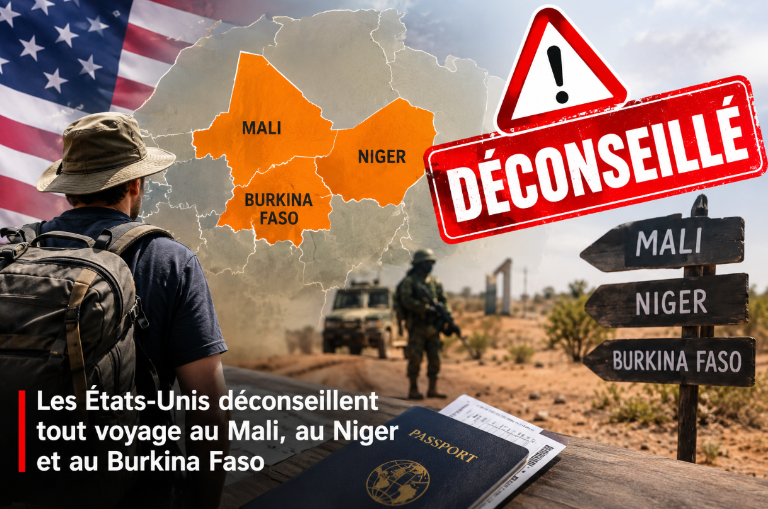
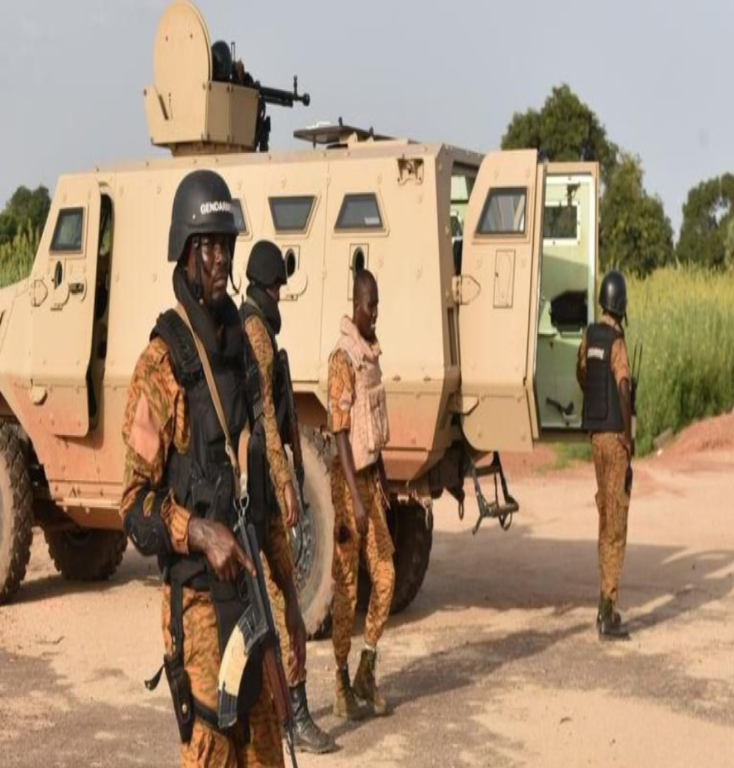
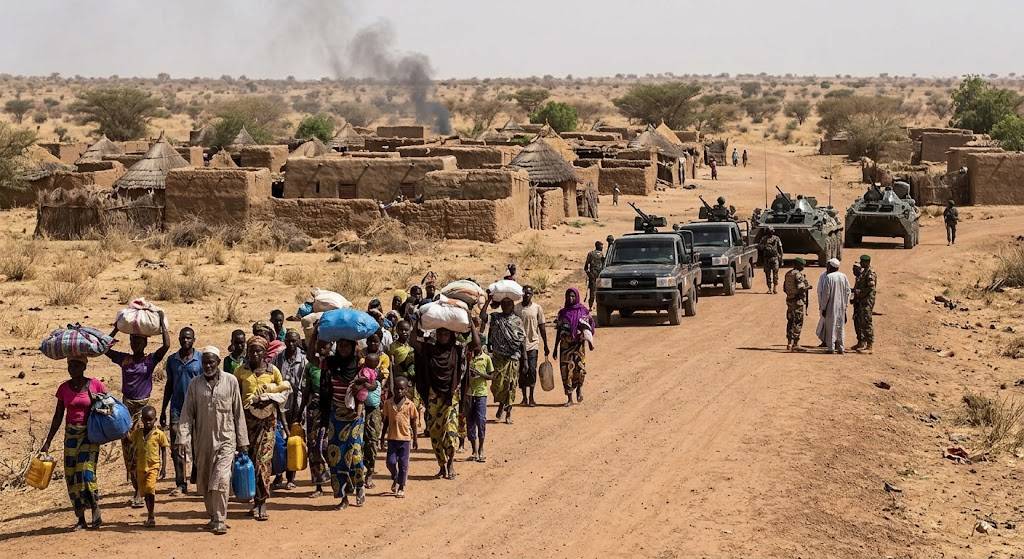
The root of Burkina Faso’s economic woes lies in its unrelenting security crisis. For nearly a decade, the country has been plagued by attacks from non-state armed groups, which now control vast swaths of territory. The fallout is catastrophic: disrupted supply chains, restricted access to farmlands, and a paralyzed mining sector—the backbone of the national economy. Dozens of businesses have shuttered or relocated to more stable neighbors, leaving behind a trail of unemployment and lost tax revenue. The state, already starved for funds, faces an impossible balancing act between funding public services and sustaining its counterinsurgency efforts.
Reforms under fire: the IMF’s non-negotiable demands
To unlock the $82 million, Burkina Faso’s transitional leaders have little choice but to accept the IMF’s stringent reform package. The Fund’s conditions are familiar: tighter fiscal discipline, improved domestic revenue collection, and a crackdown on inefficient public spending. Subsidies on energy and bloated civil service payrolls are prime targets, as the IMF insists on measures to restore macroeconomic stability. For a government that has vowed to reject foreign interference, these demands amount to a bitter pill—one that comes with regular audits and close oversight, a far cry from the promised era of unfettered self-determination.
The path to securing these funds is fraught with challenges, exposing the fragile equilibrium between political posturing and economic survival. If the IMF’s Board grants final approval, Ouagadougou will gain a temporary reprieve. But the deeper question remains: without a lasting solution to the security crisis, Burkina Faso’s economy will remain shackled to international financial institutions it claims to resist. The IMF’s lifeline may offer a Band-Aid fix, but it cannot address the structural rot at the heart of the nation’s instability.