Burkina Faso severs diplomatic ties with France
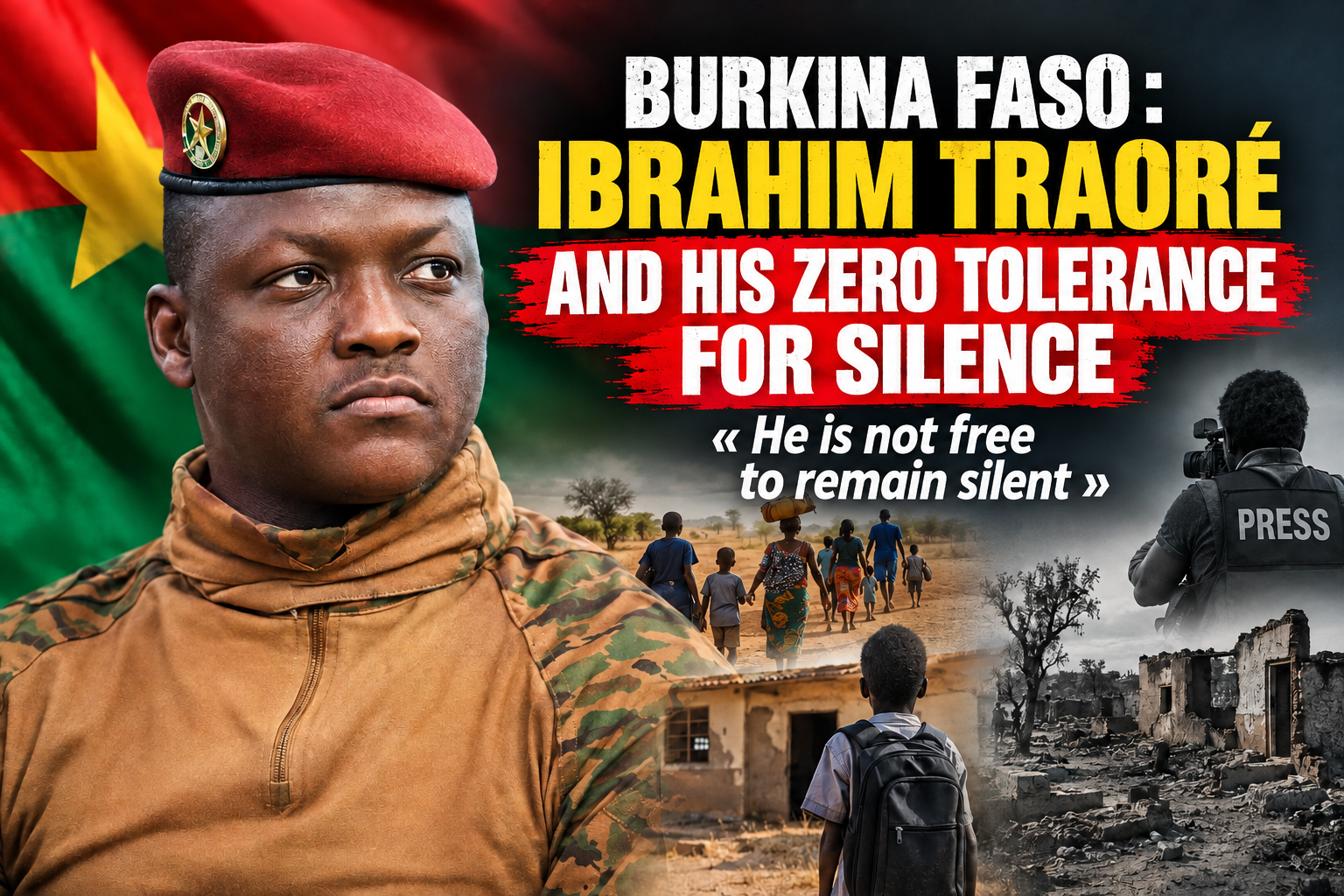
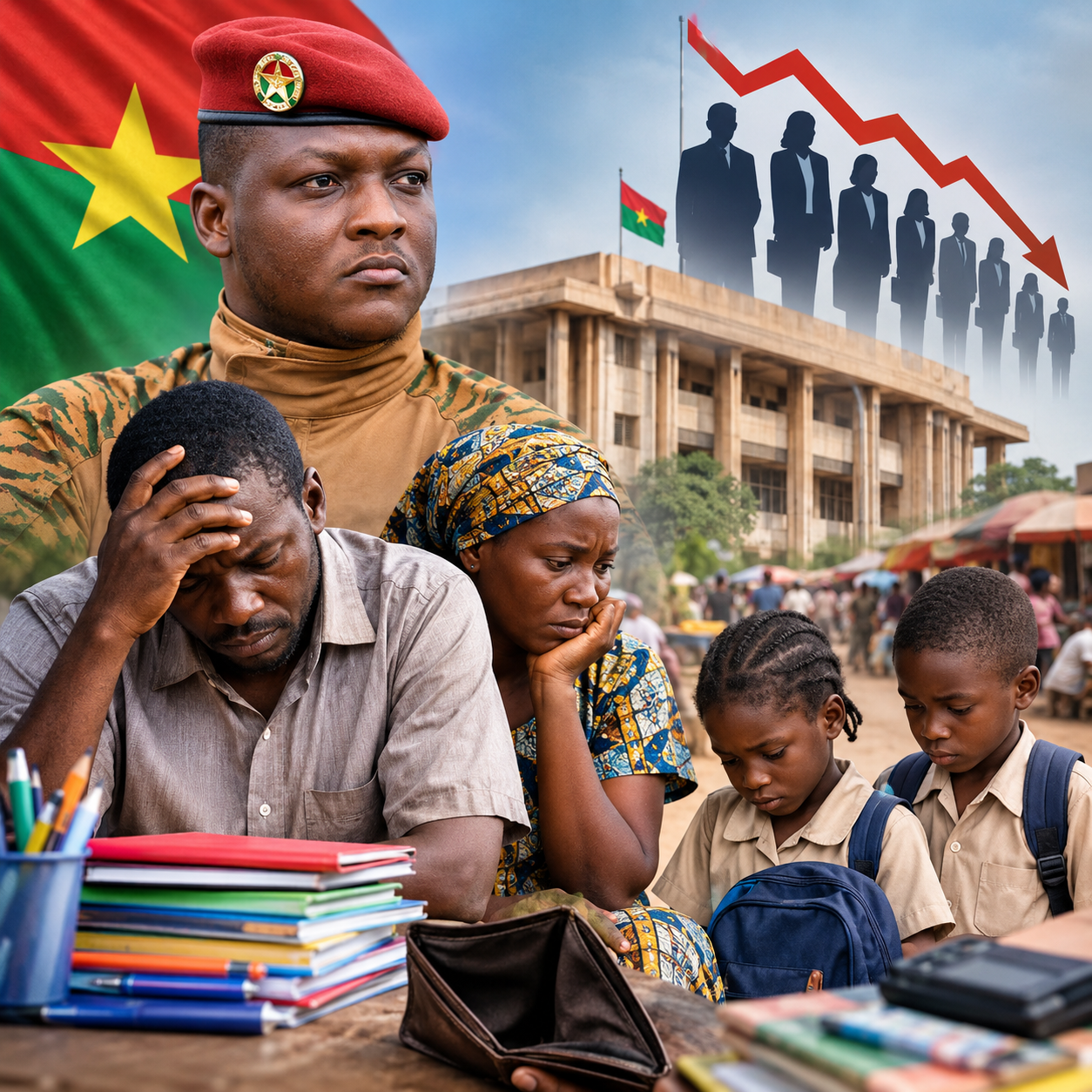
The Burkina Faso government has officially announced the immediate termination of all diplomatic relations with France. This landmark decision, unveiled on Friday, June 26, underscores a decisive shift in the country’s foreign policy under Captain Ibrahim Traoré’s leadership and marks a new chapter in Sahelian geopolitics.

The Burkina Faso authorities have taken a bold step in their relationship with France. In an official statement broadcast on national television, the military-led government declared the immediate suspension of all diplomatic ties with Paris.
The regime of Captain Ibrahim Traoré accuses French authorities of pursuing relentless actions against Burkina Faso’s national interests and harboring lingering colonial ambitions in the region.
This decisive move follows years of mounting tensions between the two nations since the military takeover in September 2022.
France responds to the ‘unfounded’ decision
The French Ministry of Foreign Affairs swiftly responded to the announcement, expressing regret over what it described as an ‘unfriendly and baseless’ decision.
Meanwhile, Burkina Faso officials clarified that the rupture applies strictly to state-level diplomatic relations and does not affect the historical, cultural, or human bonds between the French and Burkinabe peoples.
A strategic pivot since 2022
Since assuming power, Captain Ibrahim Traoré has radically reshaped Burkina Faso’s diplomatic orientation.
In 2023, Ouagadougou secured the withdrawal of French military forces from its territory, denounced military cooperation agreements with Paris, and demanded the recall of France’s ambassador.
Concurrently, several international media outlets, primarily French, faced suspension or operational bans in the country, while multiple foreign journalists were compelled to leave Burkina Faso.
A regional ripple effect
This diplomatic rupture unfolds against a backdrop of sweeping geopolitical realignments across the Sahel.
Burkina Faso, Mali, and Niger—each under military leadership—have exited the Economic Community of West African States (ECOWAS) to form the Alliance of Sahel States (AES), signaling their commitment to forging an independent regional cooperation framework.
Domestically, Ibrahim Traoré’s regime has intensified its authoritarian measures in recent months. Restrictions have been imposed on journalists, civil society members, religious leaders, and student organizations, drawing condemnation from human rights defenders.
The severance of diplomatic ties with France represents a pivotal moment in Burkina Faso’s foreign policy and could have lasting implications for diplomatic and security dynamics in West Africa.