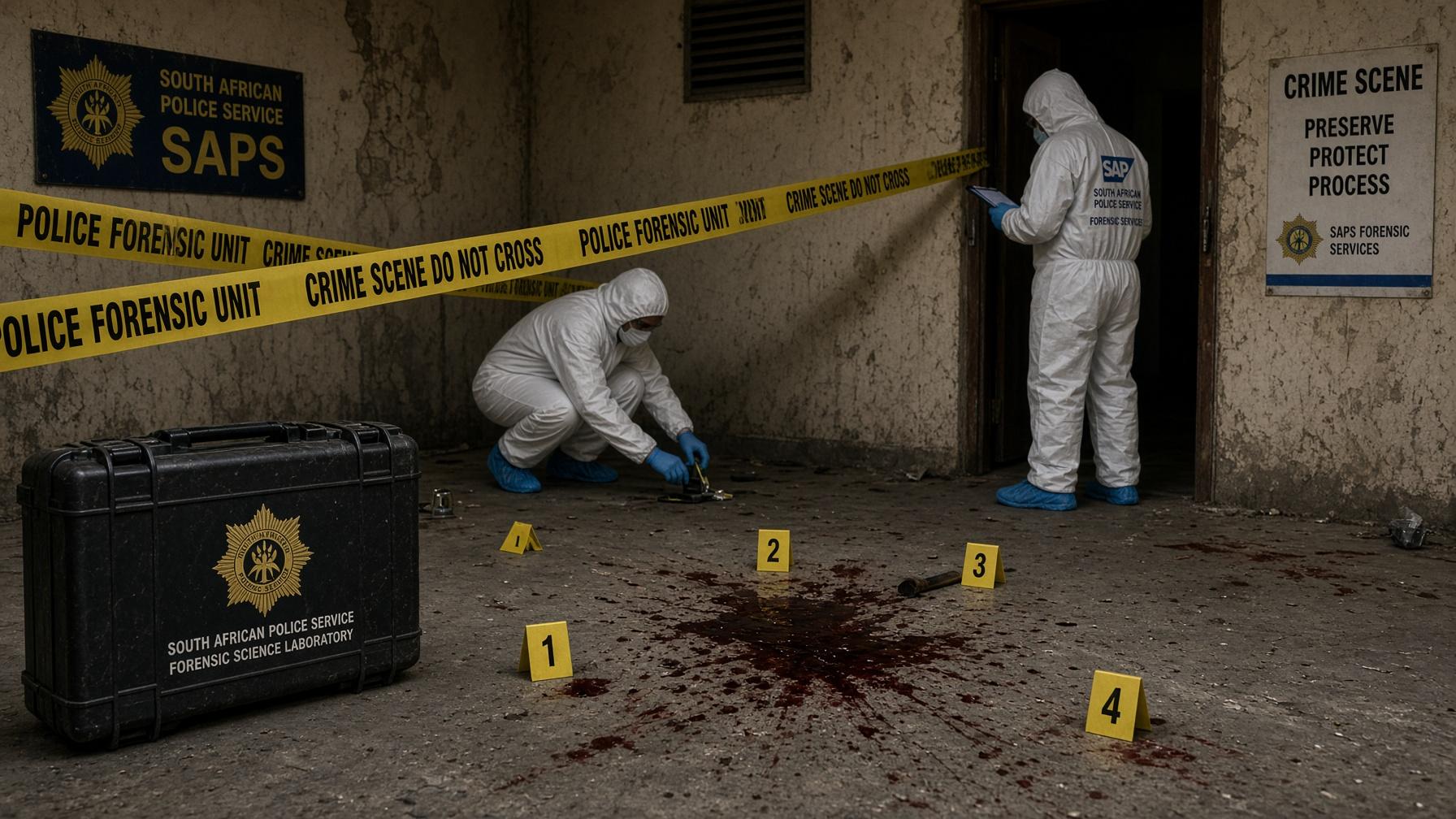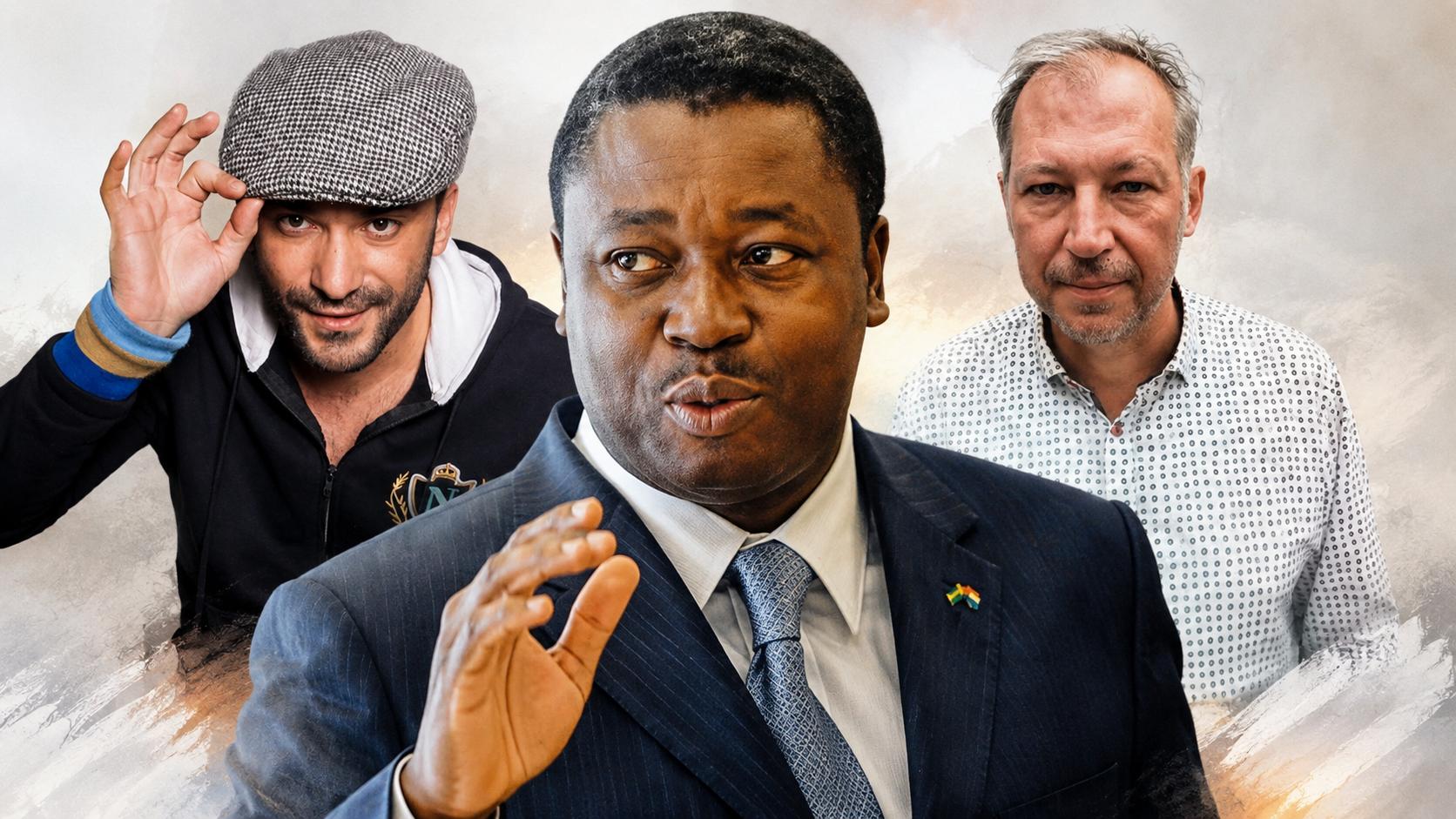
The detention and formal imprisonment of two French filmmakers in Togo this month have intensified concerns over the country’s tightening grip on media freedoms. Sébastien Perez Pezzani and Gaël Mocaër, arrested in the northern region while documenting a project, now face serious charges and confinement under a detention order—an incident that has escalated beyond routine administrative violations to take on clear political dimensions.
Tightened media controls under the guise of security
Togo’s government has framed the arrest by citing breaches of accreditation and visa conditions, but the move reflects deeper patterns of control. The northern districts, frequently targeted by cross-border armed groups from the Sahel, operate under heightened security measures that severely restrict unsupervised reporting. Independent journalism is effectively barred from these areas, and any attempt to gather information without official oversight risks severe consequences.
This crackdown is not isolated. It echoes a similar case in 2024 when French journalist Thomas Dietrich was swiftly detained and expelled, reinforcing suspicions that Lomé views foreign media as a potential threat to national stability rather than a means of transparency.
Diplomatic leverage or overreach?
Analysts suggest the timing and circumstances of the detention may be more strategic than procedural. The government’s handling of the case appears designed to influence ongoing talks with France, particularly regarding Ferdinand Ayité, a prominent Togolese investigative journalist currently in exile. By detaining foreign nationals, the regime may be attempting to create pressure points in bilateral negotiations.
Such tactics risk backfiring. International condemnation has grown as diplomats work behind the scenes to secure the filmmakers’ release, highlighting the regime’s readiness to use detention as a bargaining tool—and exposing the fragility of its media policies on the global stage.
Press freedom under siege in Togo
The targeting of international journalists follows years of suppression against local independent media. From censorship to legal harassment, the government continues to reshape the national narrative through coercion. As calls for their return grow louder, the case underscores a troubling reality: in Togo, freedom of expression is increasingly treated as a privilege to be revoked rather than a right to be protected.