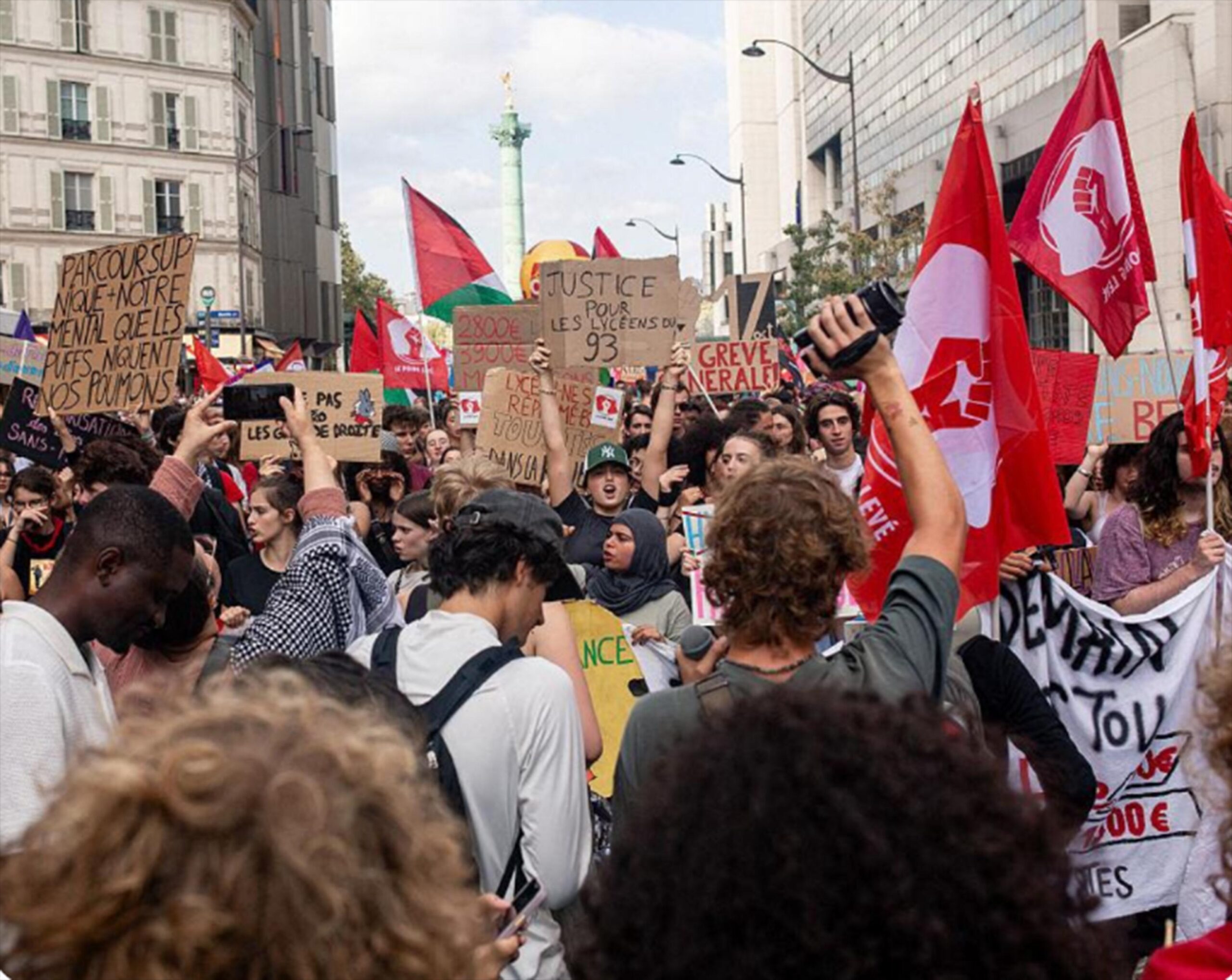
Breaking diplomatic ties with France: a leap toward sovereignty or a new form of dependence?
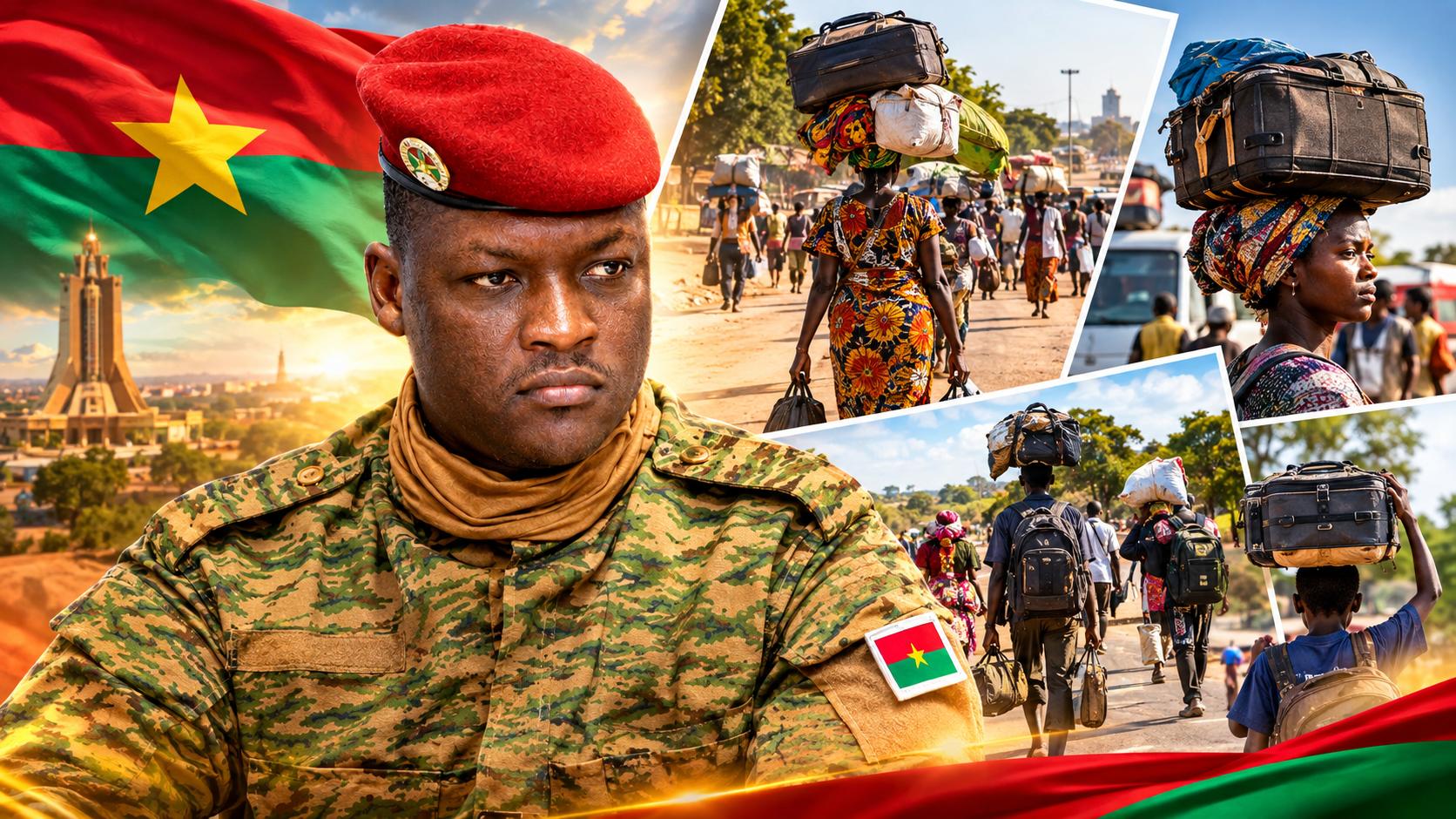
On June 26, 2026, Burkina Faso made a historic decision: severing its diplomatic relations with France. The government in Ouagadougou justified this bold move by accusing Paris of “neocolonialism,” interference, and allegedly supporting destabilizing networks within the country. While this announcement marks a significant turning point in the strained relations between the two nations, it also reignites a deeper philosophical question: what does true sovereignty truly entail?
The act of cutting ties with a former colonial power is undeniably a powerful political statement. It represents a sovereign choice—one that an independent nation is fully entitled to make. Yet the real challenge lies in whether this decision paves the way for genuine autonomy or merely replaces one form of dependency with another.
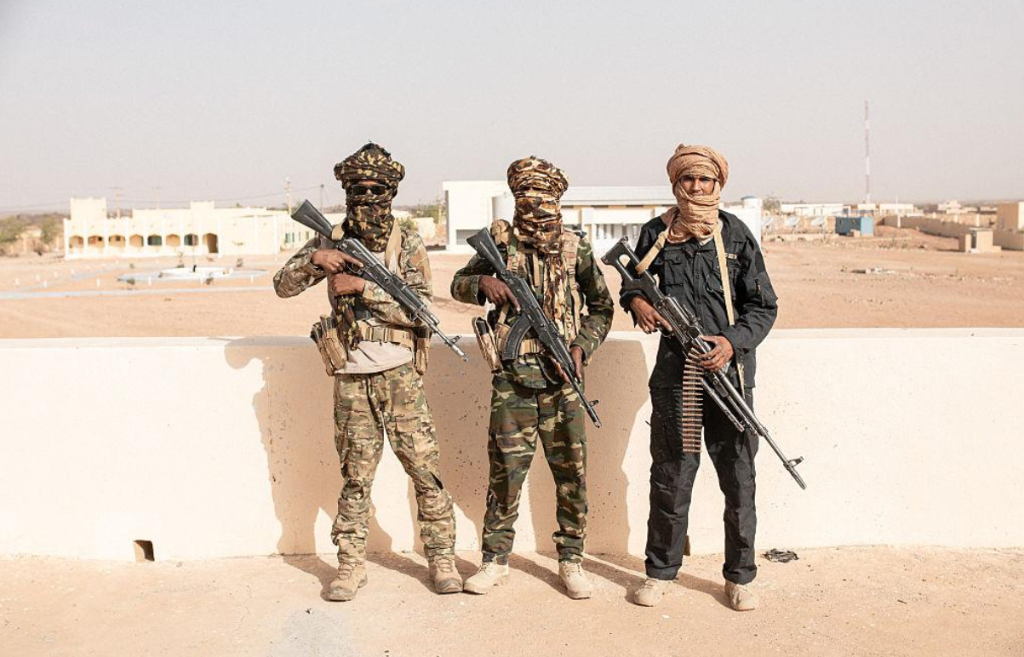
Since 2023, Burkina Faso has been actively diversifying its international partnerships, forging stronger ties with nations such as Russia, China, Turkey, and Iran. These shifts span military cooperation—particularly with Moscow—as well as economic engagements, with Ouagadougou seeking fresh investment opportunities and markets. This strategic reorientation is often framed as a deliberate move toward a “multipolar world.”
However, embracing multipolarity does not automatically guarantee independence. True sovereignty extends beyond merely switching international allies. It demands that a nation’s strategic choices prioritize its own national interests exclusively, free from political, military, economic, or ideological control by any foreign power.
Will Mali and Niger follow Burkina Faso’s lead?
A growing number of observers are closely monitoring whether Mali and Niger—Burkina Faso’s fellow members of the Alliance of Sahel States (AES)—will adopt similar measures in the coming months. Over recent years, these three nations have demonstrated increasing political, diplomatic, and military alignment, particularly in their growing partnerships with Russia.
If Mali and Niger were to take comparable steps, it would reinforce the perception of a unified strategy. Yet this raises a critical question: are these decisions the result of independent national choices, or do they reflect a coordinated geopolitical shift toward a shared strategic partner? Some analysts argue that when three countries make successive, identical decisions, it may appear as though they are adhering to a common roadmap. This perception fuels a broader debate: does sovereignty mean breaking free from one influence only to become ensnared by another?
In other words, severing ties with France to become heavily reliant on Russia, China, or another power does not necessarily equate to achieving full sovereignty. Instead, it may simply represent a shift in the balance of influence. Historical precedents in international relations consistently show that major powers—regardless of their identity—pursue objectives aligned with their own geopolitical, economic, and strategic interests.
The real test of true sovereignty
For Burkina Faso, the true measure of success will lie in proving that this rupture is not merely a change of allegiance but a foundation for genuine independence. The country’s future will hinge on its ability to:
- Secure the financing required for sustainable development
- Protect its territory from internal and external threats
- Process and add value to its natural resources locally
- Strengthen its institutions to enhance governance
- Pursue a foreign policy that serves its citizens first
Sovereignty cannot be reduced to symbolic gestures such as closing embassies or delivering fiery speeches. Its essence lies in a nation’s capacity to chart its own course—diversifying partnerships without falling under the sway of a dominant external power, and ensuring that the welfare of its people remains the ultimate priority.
The lingering question remains: when a country breaks ties with one power to embrace another, is it truly escaping dependency… or merely exchanging one form of subjugation for another? History suggests that a genuinely sovereign nation does not replace one patron with another; it carves out the freedom to decide its own fate, regardless of the alliances it forms.