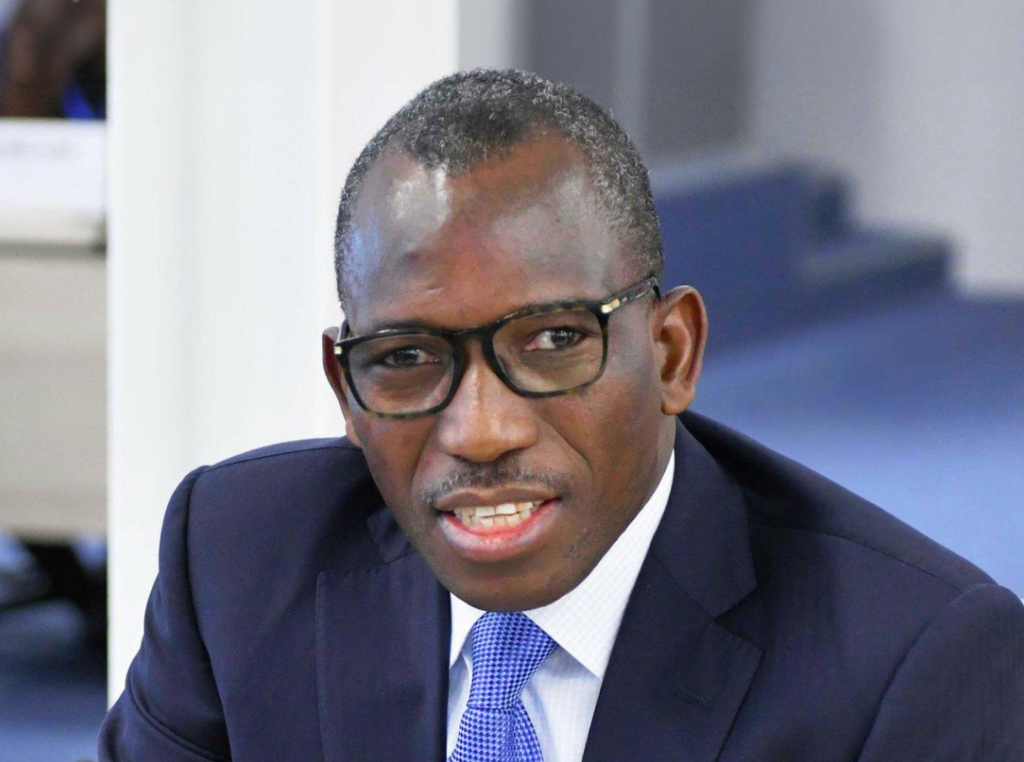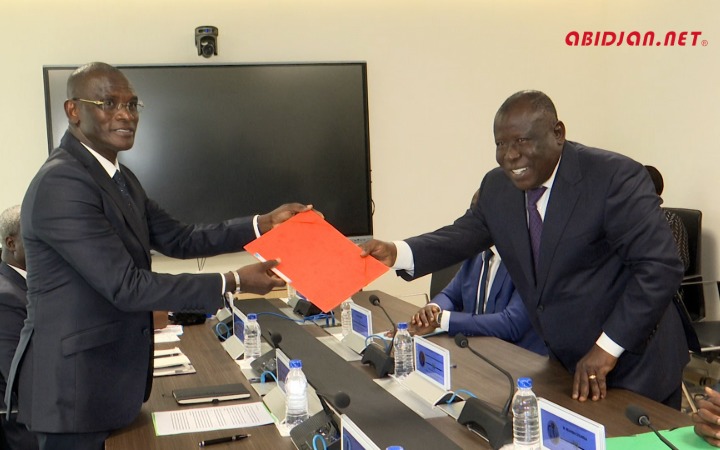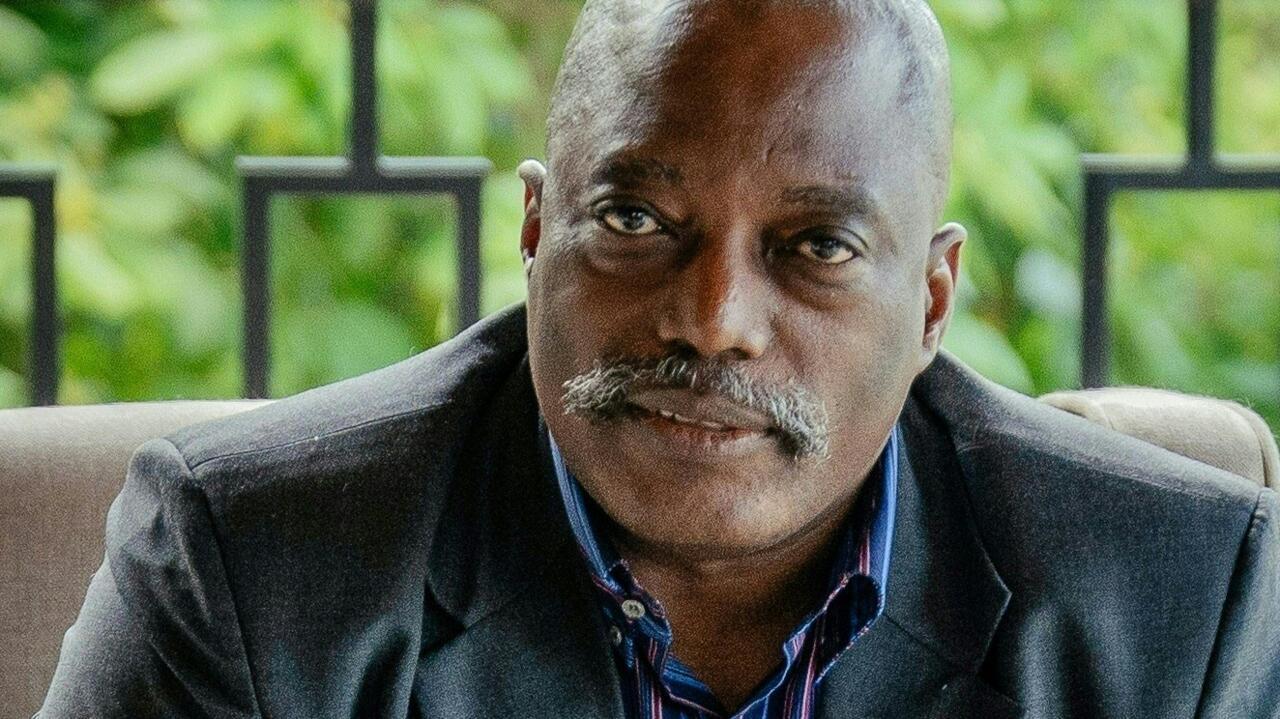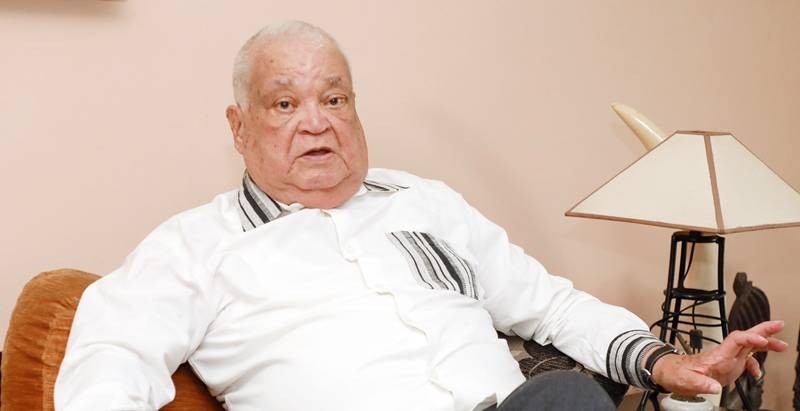
Auguste Miremont, former Ivorian minister of Communication and longtime director of Fraternité Matin, has spent decades observing the political evolution of Côte d’Ivoire. At 85, the veteran statesman shares his insights in a recently published biography, “Auguste Miremont, from Houphouët to Ouattara, in complete freedom…” This work traces his personal journey and the broader political history of the country, from Félix Houphouët-Boigny’s era to today’s leadership under President Alassane Ouattara.
Reflections on a life of service
“I resisted for a long time,” Miremont admits. The author of the book, Michel Koffi, spent months persuading him to share his experiences. “After leaving active politics, I chose a life of discretion,” he explains. Yet, many voices—including officials in his hometown—urged him to document his insights. “The country has given me so much; perhaps I still have something to offer,” he reflects. The resulting conversations spanned 30 hours over 18 months, culminating in a work that blends personal narrative with national history.
From Houphouët-Boigny’s legacy to modern challenges
Miremont describes Côte d’Ivoire’s political trajectory as anything but smooth. “Under Houphouët-Boigny, we achieved remarkable stability, but even then, crises simmered beneath the surface—mutinies, social tensions. His genius lay in knowing when to listen, when to act.” The transition to Ouattara and Bédié, however, introduced new complexities. “The succession wasn’t just political; it was personal. The 1999 coup d’état against President Bédié shattered the nation’s equilibrium.”
A generation’s heartbreak
“That period was unbearable,” Miremont recalls. “From Guéï to Gbagbo, the violence that followed felt like a betrayal of everything Houphouët-Boigny had built. Côte d’Ivoire was once a beacon of stability—a nation others looked to in times of crisis. Suddenly, we became a cautionary tale.” For Miremont, the fall from grace was as painful as the loss of trusted colleagues like Robert Guéï and Emile Boga Doudou, who perished during the turmoil.
Lessons from a mentor: Ouattara’s evolution
When asked who best embodied Houphouët-Boigny’s political wisdom, Miremont hesitates. “Each leader has their own style,” he notes. “But Alassane Ouattara stands out for absorbing his predecessor’s patience, strategic timing, and ability to mediate. As Prime Minister, his rigor was legendary—no room for error. Today, I see a more measured approach, shaped by experience.”
He adds, “Ouattara’s tenacity is unmatched. Few would have endured the pressures he faced, yet he delivered. His courtesy and attention to detail—remembering to return calls, addressing personal concerns—reflect a leader who values human connection as much as policy.”
Assessing progress and unmet needs
“The economy has improved, but prosperity hasn’t reached everyone,” Miremont acknowledges. “Yes, we’re building highways and hospitals, but life remains expensive for ordinary Ivorians. The government’s social programs—like vocational training for youth and the ‘second-chance schools’—are steps in the right direction.” He cites initiatives in his own region, Bin-Houyé, where infrastructure projects are narrowing gaps. “It’s progress, but we mustn’t declare victory too soon.”
As Côte d’Ivoire continues its march toward unity and development, Miremont’s reflections offer a rare glimpse into the forces shaping its future. His book isn’t just a memoir; it’s a bridge between past struggles and tomorrow’s possibilities.