Since the withdrawal of Western security forces and the breakdown of long-standing cooperation agreements, Bamako has repeatedly claimed to have regained full military sovereignty. Official statements present this transition as a historic victory—one that symbolizes an African nation reclaiming control over its territory and rejecting foreign influence. Yet beneath the rhetoric of emancipation lies a far more complex transformation: a structural militarization of the Malian state.
From foreign withdrawal to domestic militarization
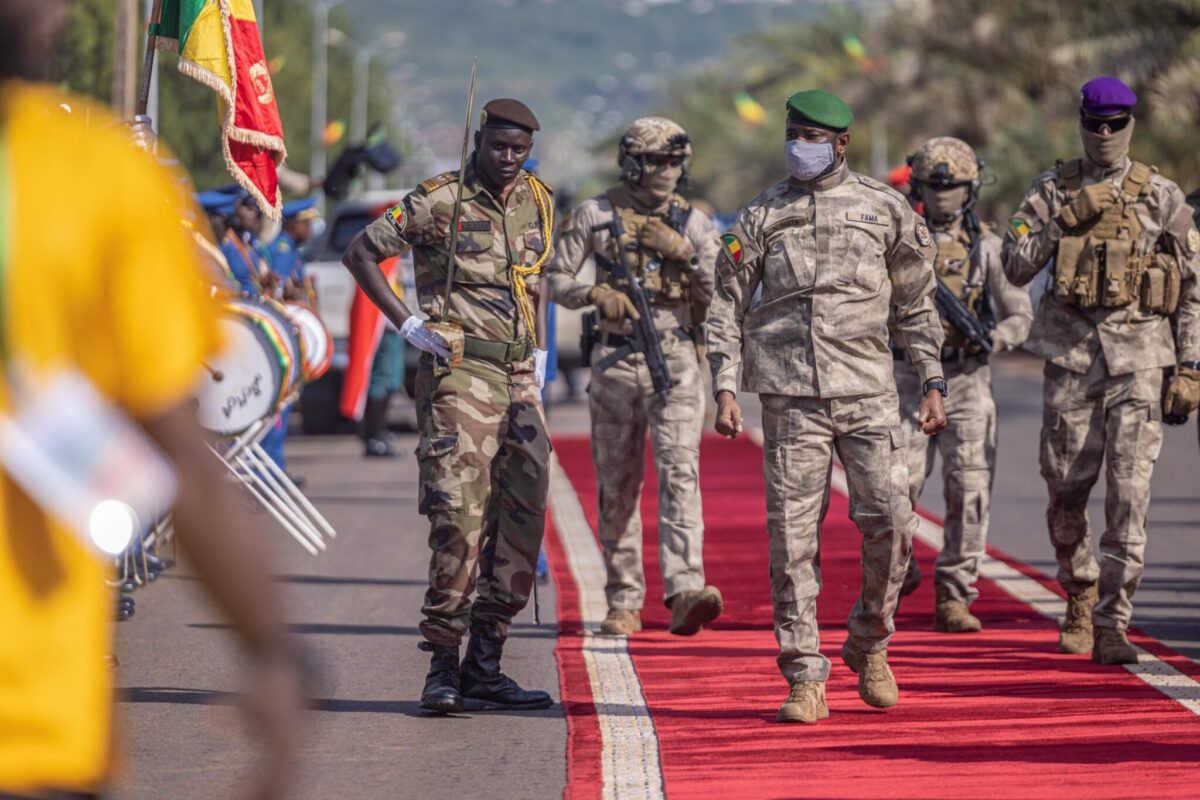
The sudden absence of French troops and the progressive dismantling of Western security frameworks did not end Mali’s security dependence—they merely relocated it. Today, the Malian regime entrusts its defense and survival not to international partners, but to Africa Corps, a mercenary force tasked with combating terrorism and, increasingly, protecting the ruling authorities. This shift has not only preserved but intensified the militarization of governance.
Since the 2022 coup, the military has monopolized political power, transforming the state into an apparatus where security imperatives dictate policy, budgets, and legitimacy. The war, once seen as a crisis to resolve, has become the very foundation of the regime’s functioning. Violence is no longer an exception—it is an organizing principle.
The nationalist narrative and its limits
For many Malians, the departure of foreign forces was experienced as a long-awaited assertion of sovereignty. The transitional authorities seized on this nationalist sentiment to consolidate their authority, framing their rule as a defense of national dignity. Yet this narrative obscures a harsh reality: the state’s ability to stabilize the country remains severely constrained. Armed groups continue to operate across vast territories, while state institutions struggle with limited resources, corruption, and logistical weaknesses.
Bamako now faces a paradox: the very narrative of liberation has become a shield for a government that governs through war. The more insecurity persists, the more the regime justifies centralizing power, delaying elections, and suppressing dissent—all in the name of national security. The conflict, once an external challenge, has evolved into an internal logic of governance.
New alliances, old dependencies
As traditional partners withdraw, new actors step into the breach. Russia’s growing influence in the Sahel—through mercenary support and military cooperation—has reshaped the geopolitical landscape. While some view this shift as a strategic gain, it carries risks: deeper dependence on external actors, erosion of democratic norms, and the entrenchment of militarized decision-making.
The regime’s search for partners is not merely about security—it reflects a deeper calculus: finding allies who offer support without imposing the political or diplomatic conditions imposed by Western nations. The result is a state increasingly structured around war, where security expenditures balloon, military institutions expand their influence, and the language of conflict becomes the primary tool of political mobilization.
The Sahel Alliance and the militarization of regional sovereignty
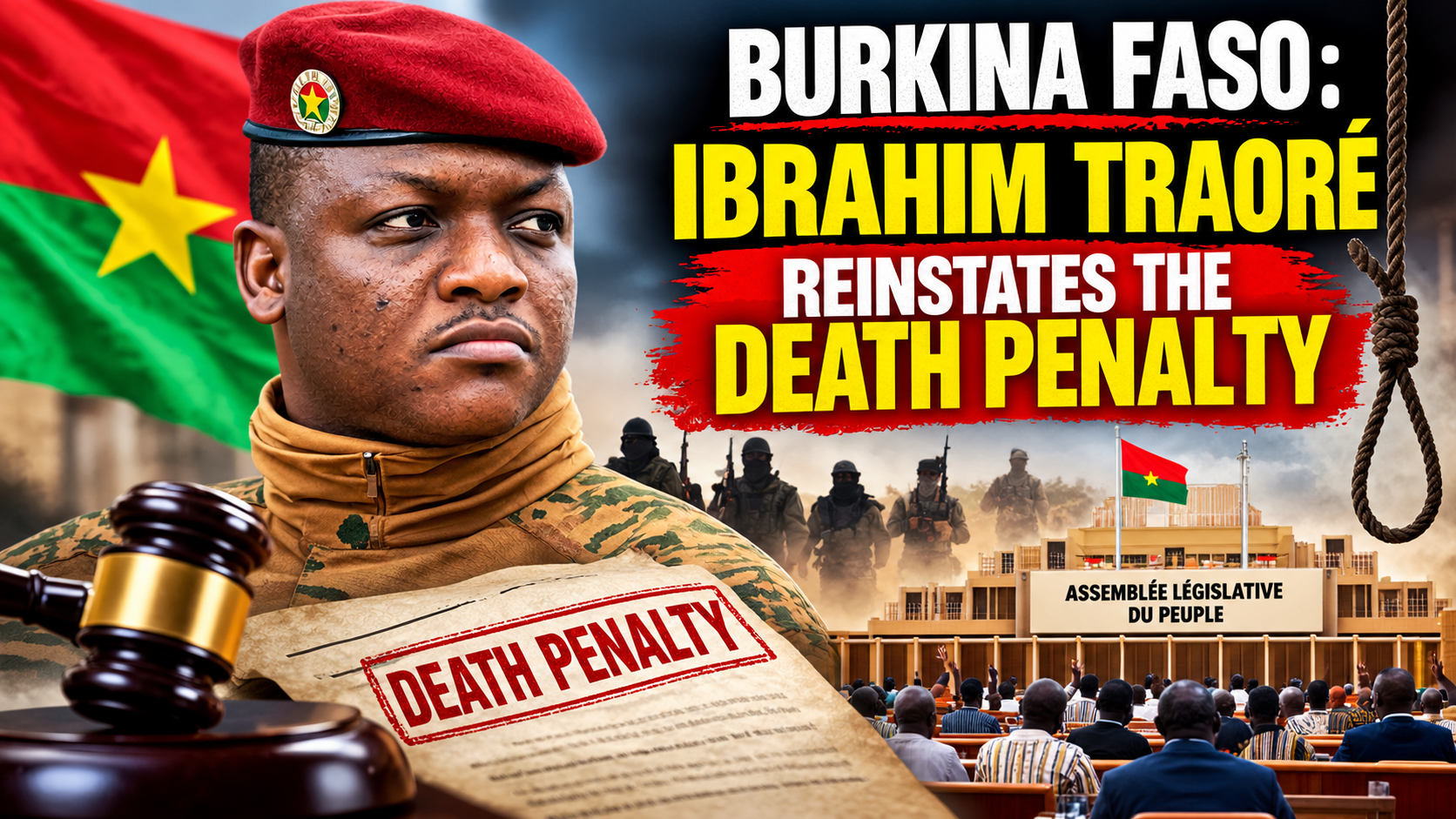
The emergence of the Alliance of Sahel States (AES)—comprising Mali, Burkina Faso, and Niger—has further entrenched this dynamic. United by a shared rejection of former colonial powers and a commitment to