Tensions between Senegal and France have escalated following the adoption of a stricter anti-LGBTQ+ law in Dakar and the detention of a French national earlier this year. These developments have intensified debates on human rights, state sovereignty, and Franco-Senegalese relations, which were already navigating a complex phase of diplomatic realignment.
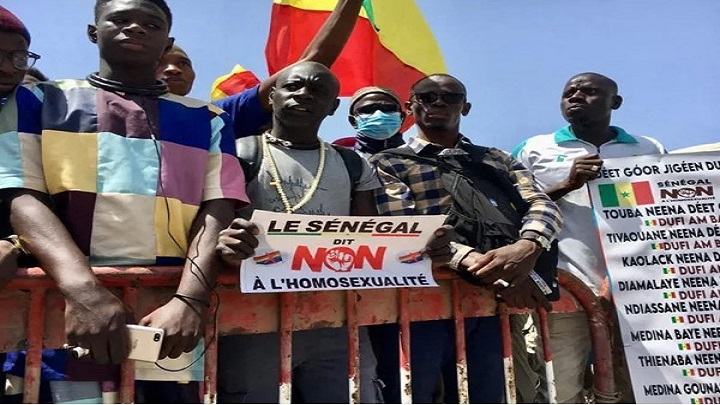
On March 11, 2026, Senegal‘s National Assembly passed legislation that significantly toughens penalties for same-sex relationships. Government officials defended the move as an effort to align the legal framework with the country’s dominant sociocultural values. While Senegal has historically maintained conservative stances on LGBTQ+ issues, this reform represents a marked escalation in enforcement, drawing swift criticism from international observers and human rights advocates.
Compounding the strain, a French engineer in his early 30s was arrested in Dakar on February 14, 2026. According to official reports, he faces multiple charges, including “unnatural acts,” criminal conspiracy, money laundering, and allegations of attempting to transmit HIV. French consular authorities have confirmed active engagement with the case, maintaining close contact with the detainee and his family.
In France, political figures have decried the situation, with prominent leaders emphasizing concerns over LGBTQ+ rights in Senegal and the conditions of the French national’s detention. Among the most vocal critics was Yaël Braun-Pivet, who condemned the criminalization of sexual orientation as a violation of fundamental rights, citing systemic discrimination and violence against LGBTQ+ individuals.
Reactions to these statements have been sharply divided. Some argue that such interventions constitute legitimate advocacy for human rights, while others view them as unwarranted interference in Senegal‘s internal affairs. The debate underscores the broader challenges in reconciling global human rights standards with national sovereignty and cultural specificity—a recurring theme in West Africa‘s evolving diplomatic landscape.
The dispute over LGBTQ+ rights has emerged as a pivotal point of contention in the ongoing recalibration of relations between Paris and Dakar. Over recent years, both nations have sought to redefine their partnership across economic, security, and diplomatic spheres, a process that has occasionally exposed underlying tensions on contentious issues.
Advocacy groups are calling for international protections for persecuted LGBTQ+ individuals, while others stress the importance of respecting sovereign legal frameworks and local cultural realities. Beyond the case of the detained French national, this conflict highlights the deep ideological divides between Western and African perspectives on individual freedoms, as well as the complexities of fostering constructive dialogue on deeply polarizing topics.
As formal discussions between the two governments continue, the relationship between France and Senegal remains a delicate balance of cooperation and disagreement, with sensitive issues increasingly shaping the terms of their engagement.