Lomé has quietly emerged as the latest battleground in a high-stakes geopolitical rivalry, where Paris and Moscow compete for influence in a strategic West African state. Once a steadfast but low-profile ally of France, Togo now finds itself at the crossroads of a diplomatic tug-of-war that pits Western soft power against Moscow’s assertive engagement tactics.
France’s late surge in West Africa
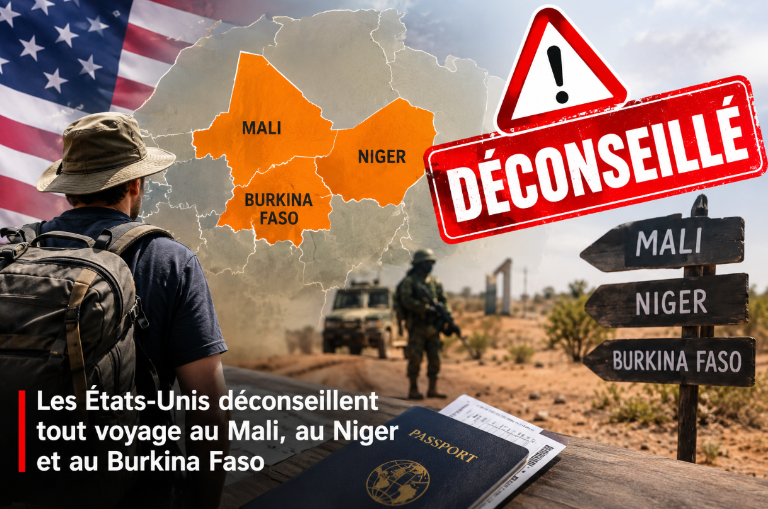
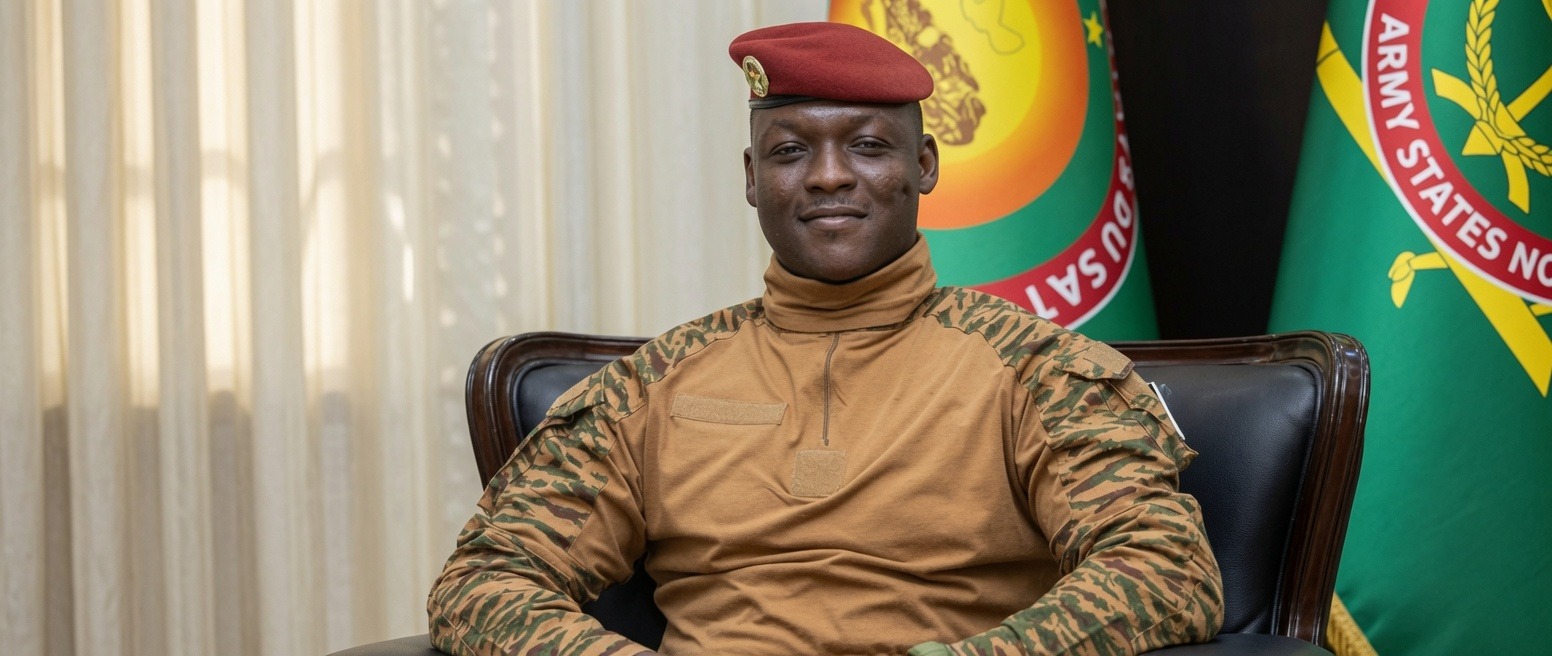
Paris has sounded the alarm over its dwindling influence in the Sahel, where military juntas in Bamako, Ouagadougou, and Niamey have severed ties with former colonial power France. To regain ground in the Gulf of Guinea, French diplomats have turned their attention to Lomé, where the first visit by a French foreign minister in over twenty years took place in April 2026.
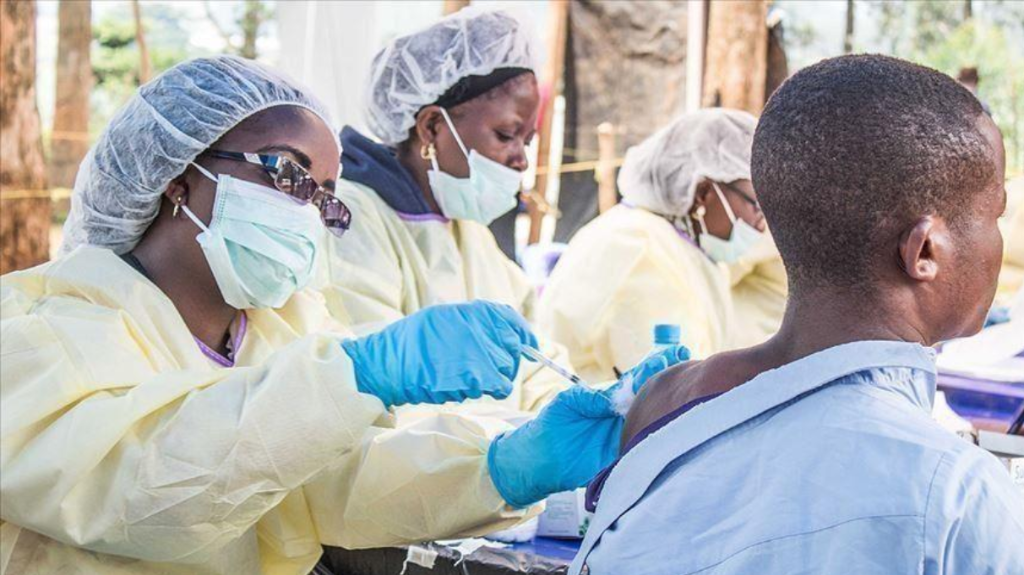
Recognizing that past strategies no longer resonate, France is shifting its approach toward tangible investments aimed at winning over Togo’s youth and urban elite. Key projects include the funding of a new university hospital and the establishment of an advanced artificial intelligence research center in Lomé—measures designed to counter anti-French sentiment sweeping across West Africa.
Russia’s strategic advance in security and infrastructure
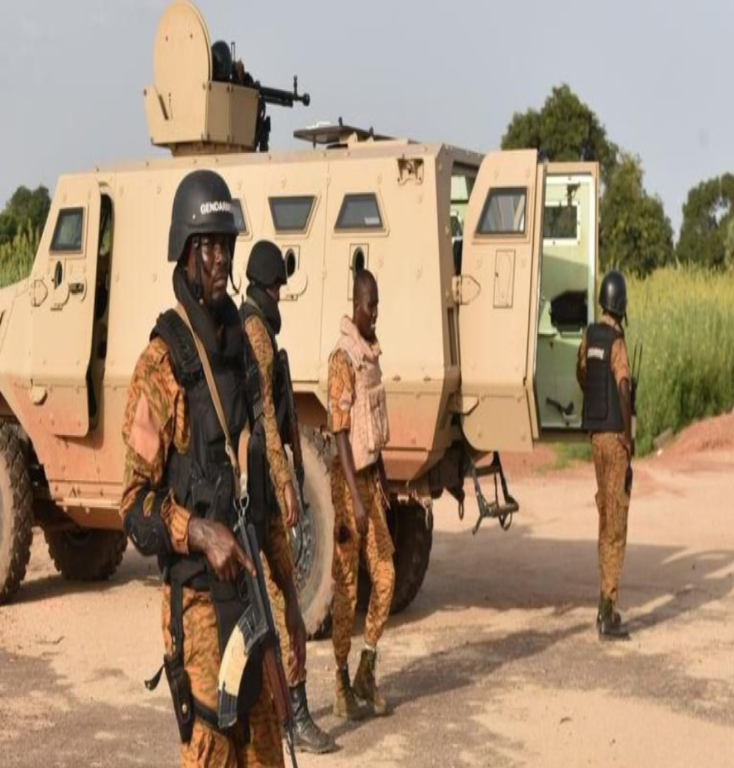
While France focuses on development and diplomacy, Moscow has made swift inroads in Togo’s security sector. Concerned by escalating jihadist threats in the northern Savanes region, Lomé signed a military cooperation agreement with Russia in 2025, paving the way for the deployment of Africa Corps, the Kremlin’s successor to the Wagner Group. For Togolese authorities, the appeal lies in Moscow’s willingness to provide rapid, unconditional military support without the political conditions often tied to Western aid.
The Russian strategy extends beyond security. Lomé’s deep-water port, a vital logistics hub in West Africa, has become a focal point of Moscow’s ambitions. Russian officials are pushing for major infrastructure projects, including a railway and pipeline linking Lomé to Burkina Faso, creating a trade corridor that would connect the Gulf of Guinea to the military regimes of the Sahel.
Soft power and narratives: Moscow’s campaign for hearts and minds
Russia is waging a multifaceted campaign to sway public opinion in Togo. Its tactics include:
- Education: A sharp increase in university scholarships for Togolese students to study in Russia.
- Culture: The opening of Russian language centers and the organization of cultural events, including concerts and exhibitions, in Lomé.
- Information warfare: Amplifying anti-Western and sovereignist narratives that resonate with segments of the local population.
Faure Gnassingbé’s masterclass in realpolitik
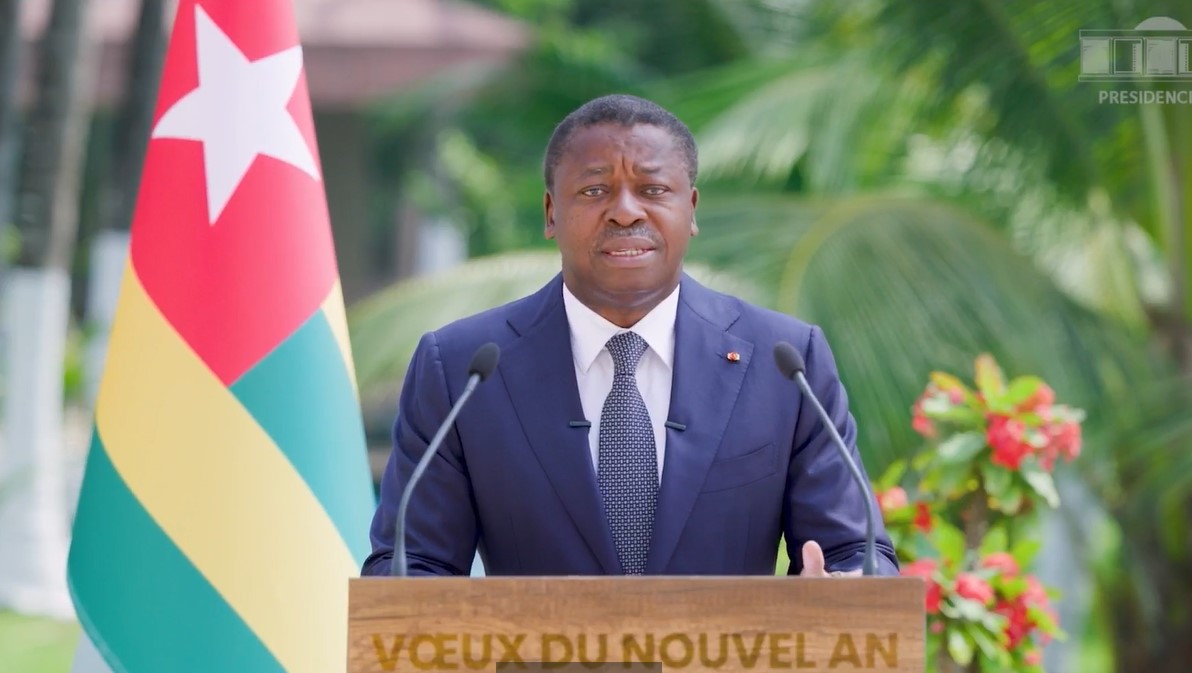
Togolese President Faure Gnassingbé has deftly navigated this geopolitical chessboard, refusing to align exclusively with either side. While maintaining active participation in France-Africa summits to preserve ties with the West, he is also preparing for the upcoming Russia-Africa summit in October. Analysts warn, however, that this balancing act risks subordinating Togo’s national interests to the broader confrontation between global powers.
« The danger lies in reducing Togo’s priorities to a pawn in a larger struggle over which it has no control, » noted a regional political analyst. By positioning itself at the intersection of Moscow’s security-driven pragmatism and Paris’s development-first approach, Lomé has become a microcosm of Africa’s evolving power dynamics—a high-wire act that may yet demand a heavy price.