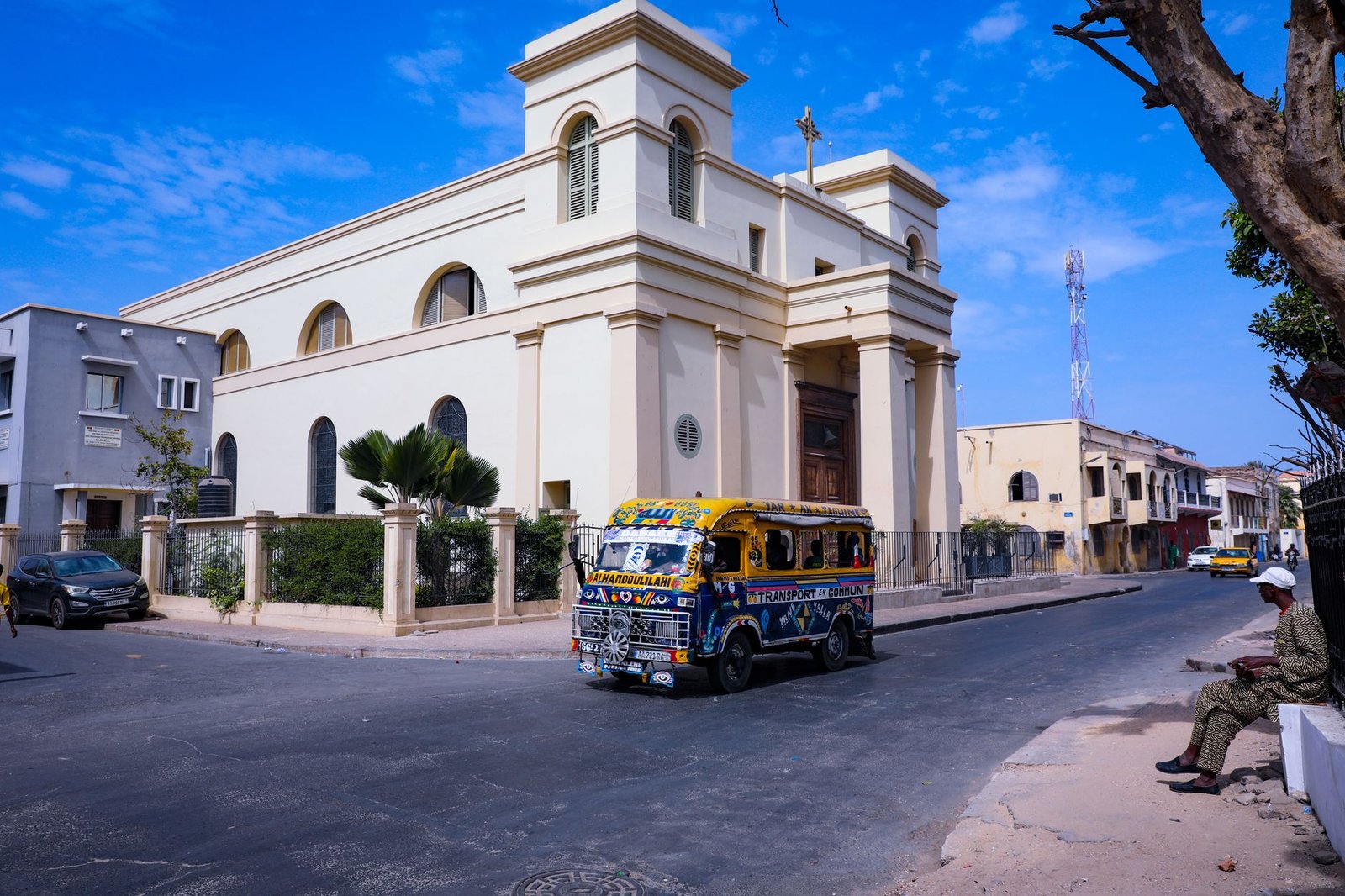
I arrived in Dakar with a subtle sense of unease. The reason? The Africa Cup of Nations (CAN) final. Its fallout, a bitter rivalry, had reportedly strained the fraternal bonds between Morocco and Senegal. This narrative, widely circulated, held a painful truth.
Amadou, a courteous and smiling taxi driver in his fifties, quickly discerned my Moroccan origin. Our conversation meandered, touching on various topics. Yet, as our journey concluded, he offered a poignant remark: “Despite everything, Senegal and Morocco remain brothers.”
That phrase, “despite everything,” resonated deeply. Intended to affirm a profound brotherhood, it paradoxically hinted at division. Could a single football match truly unravel such deep-seated ties? Or did it merely act as a catalyst, the final straw that exposed pre-existing fragilities in the Morocco Senegal relations?
The specter of the CAN final seemed to lurk beneath every interaction, ready to sour the mood. In the bustling bazaars of Dakar’s central Plateau district, while haggling over local fabric, the vendor quoted prices arbitrarily. “That’s 13,000 XOF per meter.” Attempts at negotiation — 10,000? No. 11,000? No — led to a classic appeal: “We are your brothers from Morocco!” This invocation of shared heritage, often accompanied by a heartfelt “assalamou alaykoum,” typically softened attitudes and lowered prices across Africa. Not this time. The merchant stiffened, his demeanor hardening: “Ah, if it’s Morocco, then it’s 20,000 XOF!” This stark interaction highlighted the strained Morocco Senegal relations.
“one can only hope these turbulent feelings will soon dissipate, in both Senegal and Morocco…”
It was his way of saying, “I’m no longer interested in selling!” We were, in essence, indirectly asked to leave the marketplace, almost like unwelcome intruders.
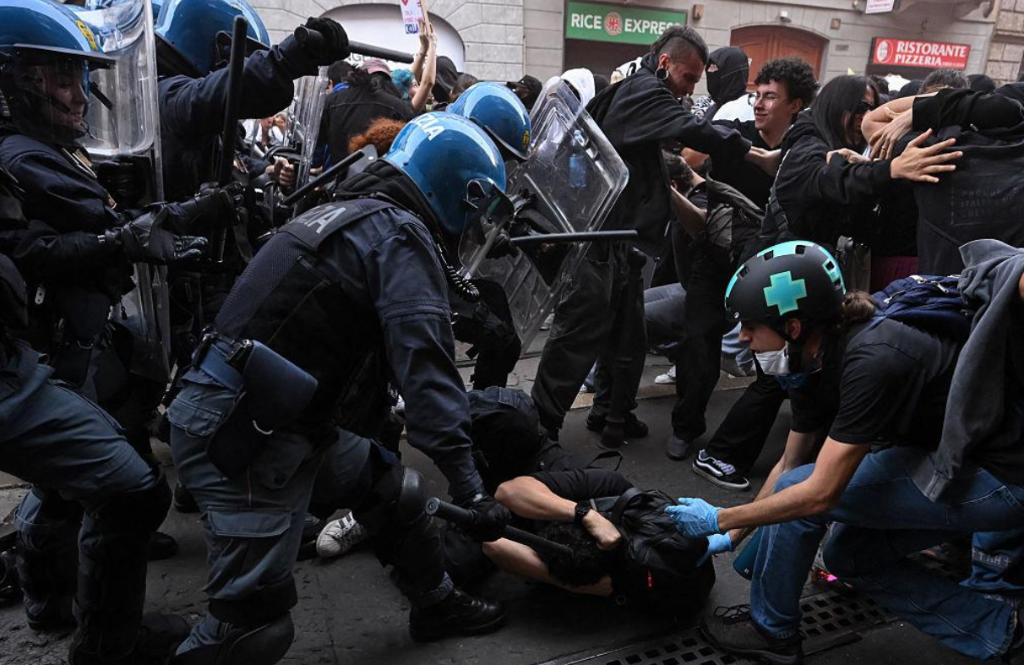
A human rights activist, dedicated to combating female genital mutilation, interjected during a conversation: “Please, release our brothers detained in Morocco; what are you waiting for?” The plea for the release of Senegalese supporters arrested and tried after the controversial final emerged as a recurring theme, echoed by several other individuals we encountered, underscoring the ongoing impact on Morocco Senegal relations.
Some candidly admitted to boycotting Moroccan-owned businesses. Their honesty was refreshing, devoid of the diplomatic euphemisms or sales pitches often heard. Yet, almost as an afterthought, to ease the tension, they would add: “In Senegal, we truly love Moroccans.” This duality captured the nuanced state of Morocco Senegal relations.
This statement, while likely sincere, felt incomplete. The implied ellipsis begged to be filled with words like anger, frustration, misunderstanding, and even lingering hurt. One can only hope these turbulent feelings will soon dissipate, in both Senegal and Morocco, allowing for a stronger foundation in their bilateral relations.
Governments and sporting federations will eventually find common ground, as shared interests and reason ultimately prevail in diplomatic relations. However, the emotional wounds inflicted upon individuals tend to heal differently, and far more slowly, impacting everyday Morocco Senegal relations.
My visit to Senegal proved, as they say, short yet intense. While undeniably shadowed by the aforementioned tensions, it was far from ruined. The genuine warmth, vibrant spirit, and sincere, unreserved friendship of many Dakar residents made the experience truly memorable, showcasing the true essence of Morocco Senegal relations beyond the recent friction.