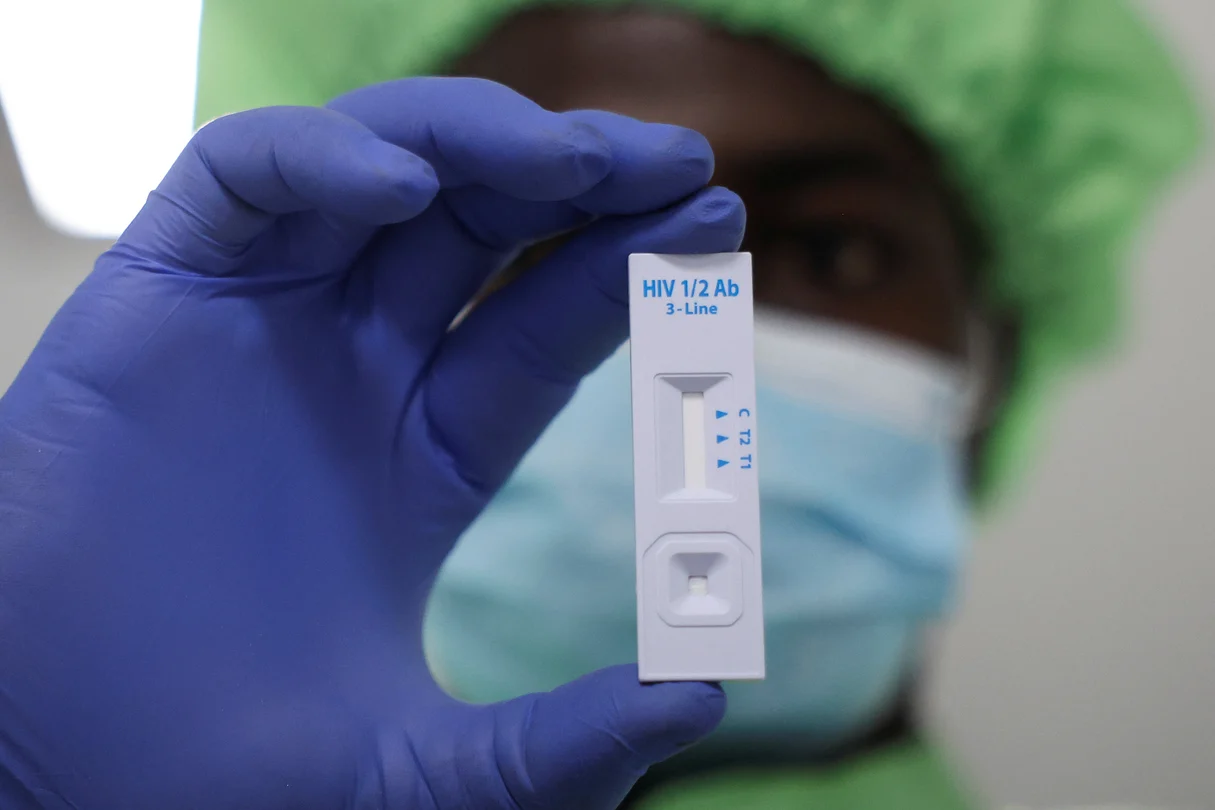
The United States Department of State has finalized a five-year bilateral memorandum of understanding with Burkina Faso, committing a total of $147 million. This financial support aims to bolster the country’s efforts in combating HIV/AIDS, malaria, and other infectious diseases, while simultaneously strengthening national capabilities in epidemiological surveillance and emergency response systems.
The official statement highlights that this agreement lays the groundwork for enhanced cooperation to improve Burkina Faso’s ability to prevent and contain the spread of communicable diseases. Under this partnership, Burkina Faso has pledged to increase its national health expenditure by $107 million, demonstrating a strong commitment to ownership and fortification of its healthcare infrastructure.
The collaboration includes allocating roughly $12 million to global health security initiatives. These funds will be directed toward reinforcing community health systems, modernizing and digitalizing health data collection and transmission mechanisms, and enhancing laboratory capacities to swiftly detect emerging pathogens.
Additionally, the agreement incorporates long-standing programs focused on malaria eradication and maternal and child health. A key emphasis is placed on empowering frontline community health workers, who serve as the backbone of a sustainable and locally driven healthcare system.
Upon completion of the memorandum’s term, healthcare professionals and laboratory technicians funded by the United States will be integrated into Burkina Faso’s public health workforce. The ultimate goal is to build a resilient national health system capable of safeguarding both Burkinabè and American populations against cross-border health threats.
Not all countries have embraced the initiative. Zimbabwe declined a $367 million funding offer, citing concerns over national sovereignty and the agreement’s oversight mechanisms. Zambia has also raised reservations about certain provisions, with ongoing discussions hinging on potential adjustments to the contested clauses.
a comprehensive global health strategy
These agreements align with the America First global health strategy. To date, signed protocols represent over $18.56 billion in new health sector financing, including $11.33 billion in U.S. aid and $7.23 billion in co-investments from partner nations.
As of February 25, the U.S. Department of State had established 17 bilateral agreements with Botswana, Burkina Faso, Burundi, Cameroon, Côte d’Ivoire, Eswatini, Ethiopia, Kenya, Lesotho, Liberia, Madagascar, Malawi, Mozambique, Nigeria, Uganda, Rwanda, and Sierra Leone.