Yacouba Camara’s international comeback: why the former French international chose Mali
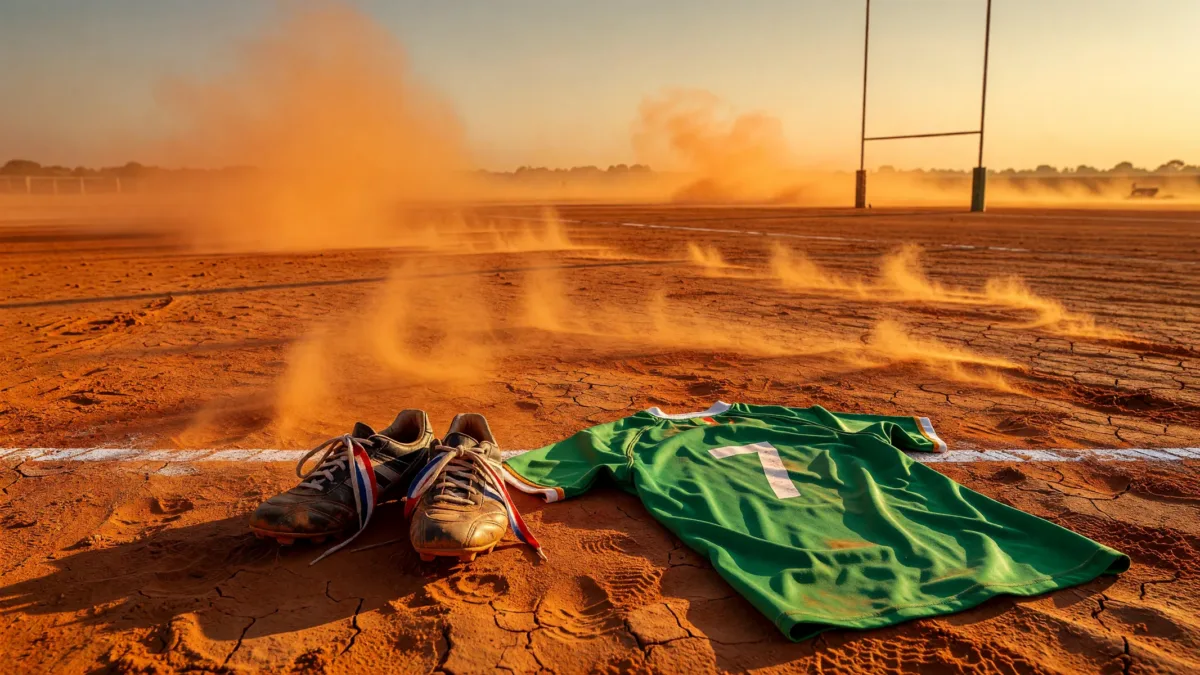
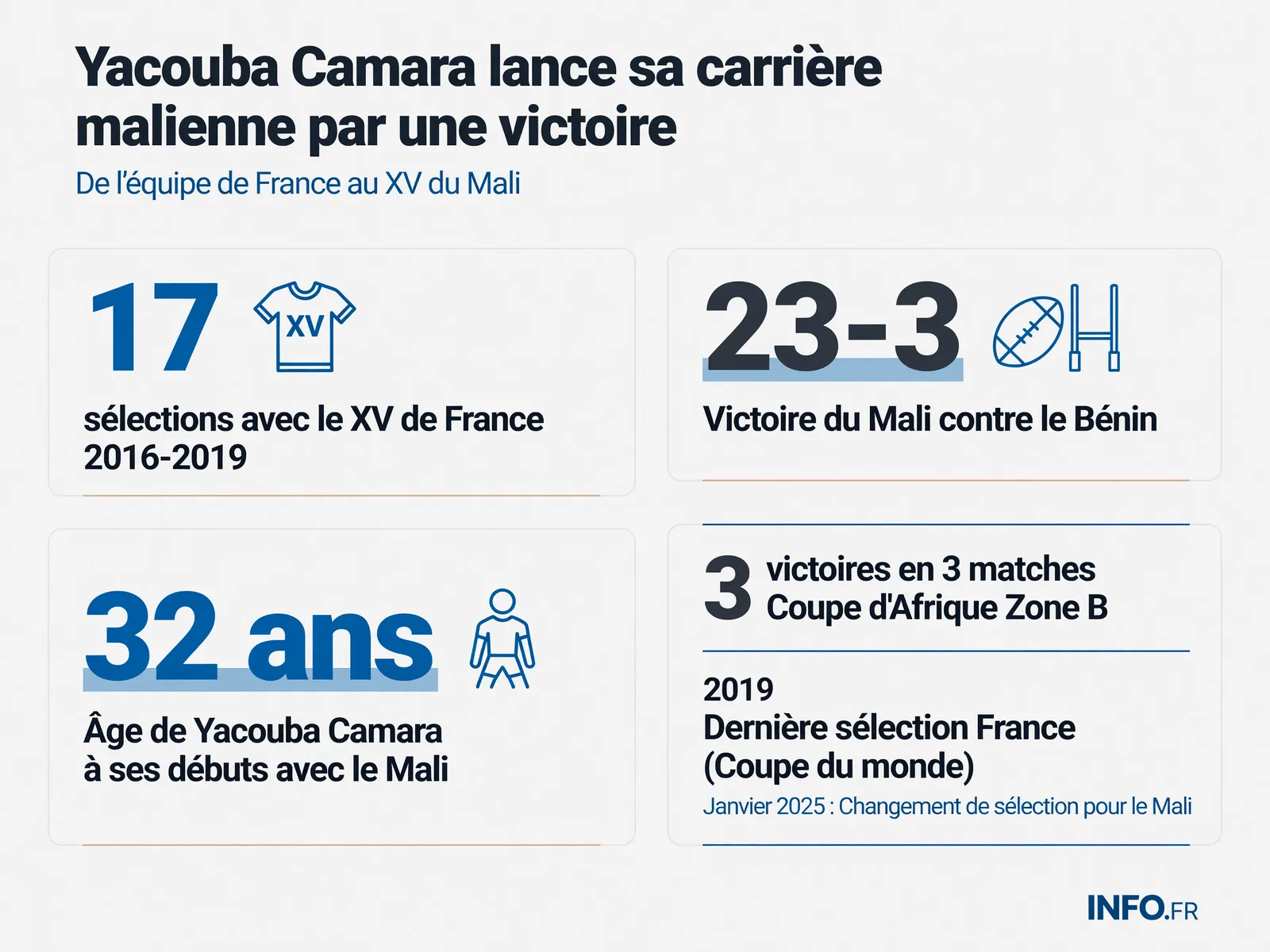
Yacouba Camara has officially commenced his international career transition, making his debut for Mali during the Africa Cup Zone B tournament held in Bamako. The former France national rugby union team flanker proudly represented the Mali Aigles in a recent match.


Mali secured a decisive 23-3 victory over Bénin in the competition unfolding in the Malian capital. This win extends their impressive streak, following earlier triumphs against Guinea (32-7) and a commanding 52-9 defeat of Niger in their initial two fixtures.
A return to the international stage after nearly seven years
For Camara, this re-entry into national team rugby marks a significant interval. His last appearance for France dates back to the 2019 Rugby World Cup. Almost seven years later, the seasoned player is once again competing internationally, now under a new national banner.
This decision represents a deeply personal choice for the flanker, who was born in France to Malian parents. He has chosen to dedicate his extensive experience to fostering the growth of African rugby.
Significant potential for Malian rugby development
Beyond his on-field contributions, Camara is poised to play a pivotal role in strengthening the infrastructure of rugby in Mali. With his deep understanding of professional championship demands, he brings invaluable technical expertise to a federation aspiring to achieve professional status.
Examining his prolonged absence from the French squad
Camara’s return to the Malian jersey brings to light broader considerations regarding how French rugby manages dual-nationality players. Despite consistently performing at a high level in professional leagues, Camara received no further call-ups to the French national team after the 2019 World Cup. Subsequent coaching decisions favored different player profiles, leaving him without international prospects. This situation highlights the French federation’s ongoing challenge in managing the transition periods for players who, while still performing well, no longer fit into national team plans. Such cases might encourage other dual-nationals to explore opportunities with African nations.
A familiar path in French rugby
Camara’s journey mirrors that of other players who developed their skills in France before opting to represent an African nation. These instances underscore the significant pool of dual-national players available for the advancement of African rugby. Camara, with his elite-level experience, is now part of this movement, paving the way for a new generation.
The deeper meaning of this choice
Camara’s decision prompts a rarely asked question within French rugby circles: what valuable contributions can experienced players offer to emerging rugby nations? The flanker did not seek a lucrative end to his career with an overseas club. Instead, he chose a commitment that blends sporting ambition with a strong sense of identity, aligning himself with Mali.
This trajectory also scrutinizes the management of player career cycles within the French national team. Camara, sidelined since 2019 despite maintaining a confirmed professional standard, has discovered a renewed international purpose where French rugby no longer saw a role for him. His case could well inspire other dual-national players seeking international playing opportunities.