World Vision Tchad’s bold plan to transform children’s futures by 2030
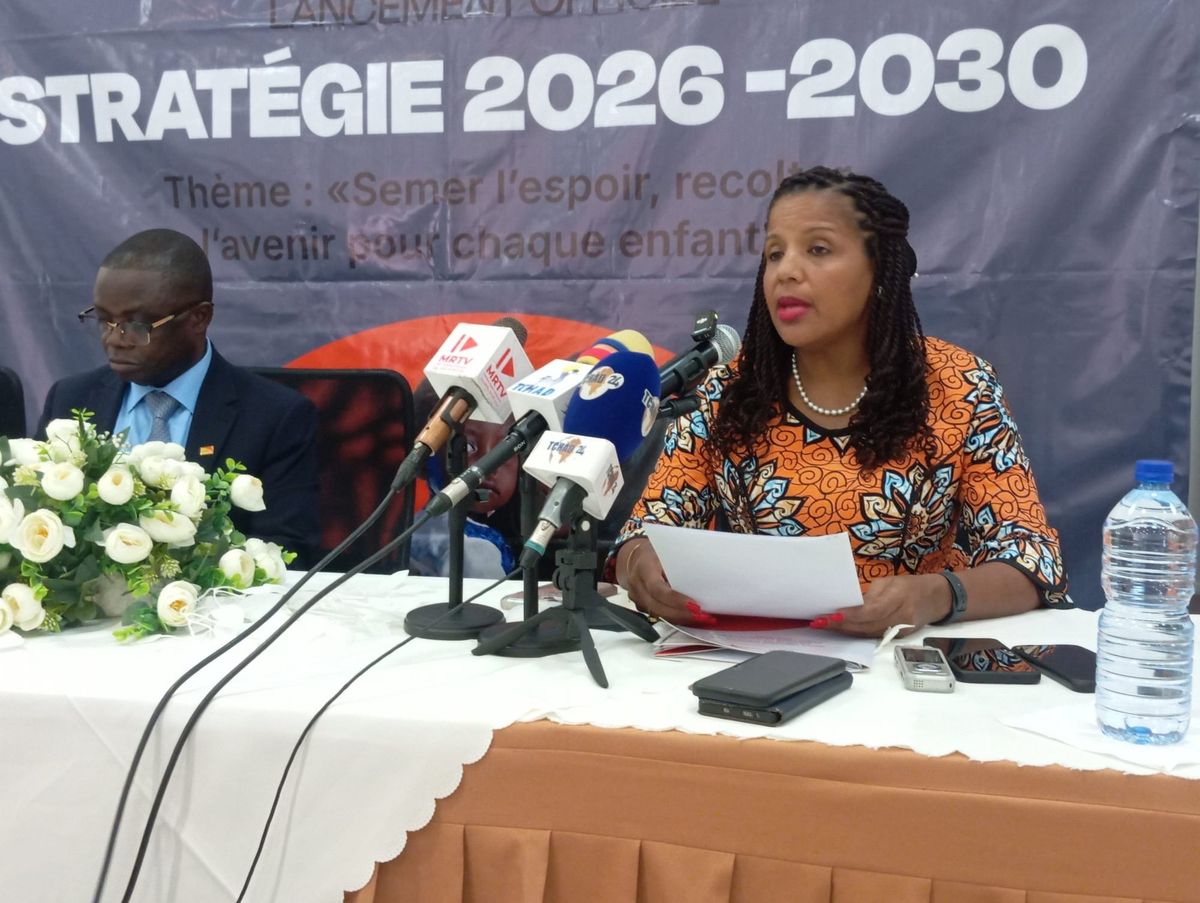
N’Djamena – World Vision Tchad has unveiled its ambitious 2026-2030 national strategy, signaling a transformative decade ahead for the nation’s children. During a high-profile press conference held earlier this month, the organization outlined its commitment to reach 3.29 million children by 2030, with 3.09 million classified as the most vulnerable. This comprehensive roadmap integrates humanitarian assistance, sustainable development, and peacebuilding initiatives to create lasting impact across Chad.
An integrated approach to address Chad’s most pressing challenges
The launch event, held at N’Djamena’s residence hotel, brought together media representatives, technical partners, financial backers, and government officials. The strategy’s core philosophy rests on the Humanitarian-Development-Peace Nexus, designed to bridge emergency responses with long-term sustainable development and conflict prevention efforts. World Vision’s regional director for West Africa emphasized that this approach reflects the organization’s belief in creating abundant lives for Chad’s children through collaborative partnerships and community-driven solutions.
« Our audacious vision for West and Central Africa is to ensure every child in fragile contexts not only survives but thrives, » stated the regional director during the presentation. She highlighted Chad’s specific challenges, including persistent insecurity, multidimensional poverty, climate change impacts, and large-scale population displacements. The new strategy directly responds to these realities through an integrated framework addressing health, nutrition, education, child protection, and climate resilience.
Aligning with continental and global development goals
World Vision Tchad’s strategic blueprint mirrors several key international frameworks, including the African Union’s Agenda 2063, the United Nations Sustainable Development Goals (particularly SDGs 1, 2, 3, 4, 5, 6, 13, and 16), and the country’s own Vision 2030. The plan prioritizes human capital development, social protection systems, climate adaptation strategies, and quality education through initiatives like the Unlock Literacy program.
« This isn’t just about meeting basic needs – it’s about unlocking potential, » explained the national director of World Vision Tchad. « Our ambitions have grown by 20% compared to previous cycles, reflecting our commitment to creating transformative change. We’re not just aiming to reach 3.29 million children – we’re determined to ensure they flourish. »
Confronting Chad’s harsh realities
Chad faces daunting development challenges, with nearly 42% of its population living below the poverty line. Recurrent humanitarian crises, malnutrition, and climate-related disasters further exacerbate these conditions. The new strategy targets these issues through several key pillars:
- Health and Nutrition: Integrated maternal and child health programs with special focus on communities most affected by malnutrition
- Education: Expanding the Unlock Literacy initiative to build foundational reading skills for early learners
- Child Protection: Comprehensive violence prevention programs reaching the most at-risk children
- Climate Resilience: Community-based adaptation projects to help vulnerable populations withstand environmental shocks
A collective call to action
Following the strategy presentation, World Vision Tchad’s leadership issued a powerful appeal to all national stakeholders. They called on public authorities, technical partners, financial supporters, civil society organizations, religious and community leaders, and the media to join forces in implementing this ambitious vision. « Transforming current challenges into sustainable opportunities requires nothing less than a united front, » stated one of the organization’s senior representatives. « Only through collective effort can we build a Chad where every child is protected, nourished, educated, and able to reach their full potential. »
The 2026-2030 strategy represents more than just organizational goals – it’s a roadmap for national transformation that positions Chad’s children at the center of the country’s development journey.