Why Benin’s Sèmè oil revival matters more than the first 250,000-barrel cargo suggests
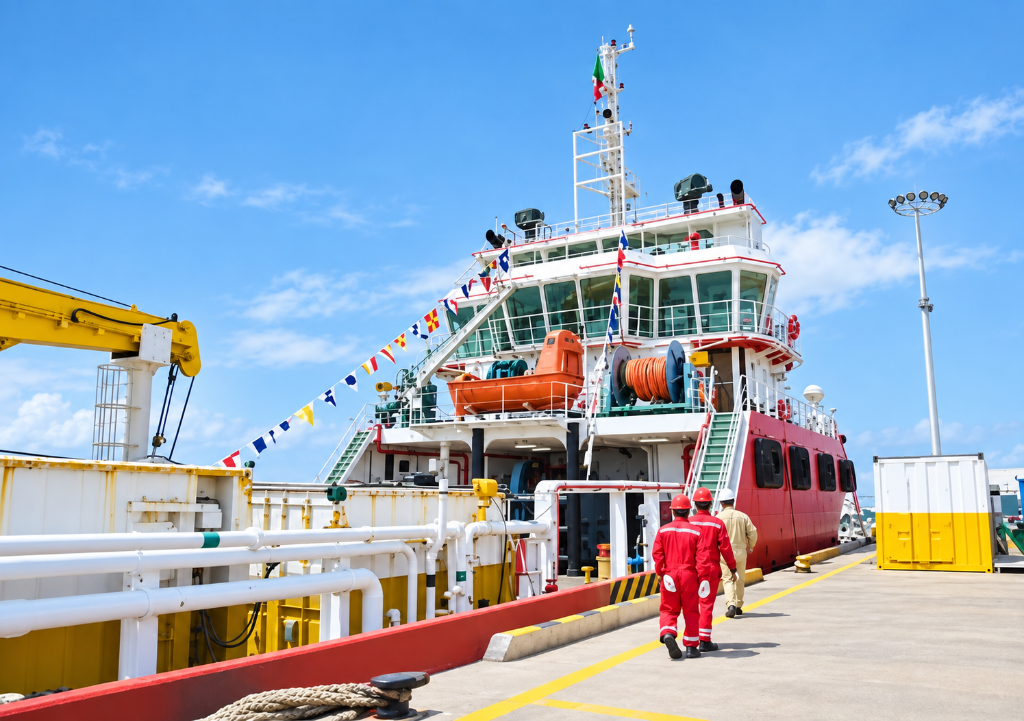
October 2026 is set to be the moment Benin returns to the international crude oil market, with a maiden cargo of 250,000 barrels from the offshore Sèmè field. Behind that single shipment lies a deeper story: years of technical reassessment, strategic partnerships and a deliberate push to turn a dormant asset into a pillar of national revenue. This is not just an export event — it is the visible tip of a long-planned economic reset.
A long-dormant field brought back into the national spotlight
Sèmè is not a new discovery. The field, located off Benin’s south-eastern coast near the maritime border with Nigeria, was first identified in the late 1960s and saw intermittent production in the 1980s and 1990s. It was eventually mothballed because of technical difficulties, low crude prices at the time and declining yields.
What changed? A combination of factors pushed Sèmè back up the agenda. Global energy demand, advances in offshore drilling technology and new approaches to reservoir restructuring made the field viable again. Reactivating the block fits squarely within the government’s action plan to maximise the value of the country’s natural resources. Geological studies carried out in recent years pointed to significant recoverable reserves, prompting authorities to secure strategic partnerships and the investment needed to rebuild extraction infrastructure.
The real purpose of a 250,000-barrel maiden cargo
Selling 250,000 barrels is a modest volume by global standards, but its role is far from modest. A first delivery serves as a calling card for Beninese crude. Laboratory analysis will establish its density, sulphur content and overall quality, which in turn will determine how it is priced against benchmarks such as Brent. For refiners and international traders, this initial cargo is the reference point for all future purchases.
On the fiscal side, the direct benefits are already being felt:
- Foreign currency inflows: hard-currency earnings will bolster reserves and help stabilise the balance of payments.
- Tax and royalty revenue: the production-sharing mechanism guarantees the state a direct share of extracted volumes, on top of taxes on petroleum activities.
- Sovereign credit impact: a new stream of predictable income strengthens Benin’s financial standing with lenders and rating agencies.
In a global economy marked by commodity price swings, diversifying state revenue is a macroeconomic buffer that matters as much as the oil itself.
Capital injections and a stronger local industrial base
The economic footprint of Sèmè extends well beyond crude sales. The revival phase has already mobilised substantial capital, generating work for local businesses and the maritime supply chain. Offshore operations require heavy logistics: support for at-sea installations, towage, technical maintenance, advanced equipment supply and engineering services.
Beninese firms in shipping, construction and logistics are progressively winning subcontracts, which helps transfer skills and create skilled jobs for young workers. The build-up of oil-related activity near Cotonou and Sèmè is also driving investment in coastal infrastructure. Storage, transport and primary processing of crude demand upgraded port facilities, gradually turning the coastline into an integrated industrial platform.
How Sèmè fits alongside the Niger-Benin pipeline
The restart of national production comes at a pivotal moment for Benin’s energy sector, which also hosts the maritime terminal for the gas and export pipeline linking Niger’s Agadem fields to the port of Sèmè-Kpodji. The two projects are legally and operationally separate, yet the synergy is hard to miss.
Benin is increasingly positioning itself as a strategic oil crossroads in the Gulf of Guinea. The expertise gained from managing the export infrastructure for Nigerien crude reinforces the technical know-how needed to handle its own offshore resources efficiently. That dual role — producer and transit hub — raises Benin’s profile in regional and international energy circles.
The governance test: turning a windfall into lasting development
The biggest challenge now lies in managing these future oil revenues sustainably and transparently. To avoid the pitfalls seen in other producer countries, regulatory oversight and governance of extractive income are top priorities.
Revenue from Sèmè crude is intended to feed development funds targeting priority sectors: education, health, road infrastructure and agricultural modernisation. The ultimate goal is to use a finite resource as an accelerator for structural transformation of the wider economy.
The first cargo in October 2026 is therefore not an end point but the opening chapter of a renewed industrial strategy. If 250,000 barrels looks small next to the world’s oil giants, its symbolic value and its potential to spur broader economic activity lay solid groundwork for long-term prosperity in Benin.