Rosenior’s Chelsea move: inside the BlueCo dynamic that sparked Strasbourg’s fury
The BlueCo ownership dilemma: why Rosenior’s exit hit Strasbourg so hard
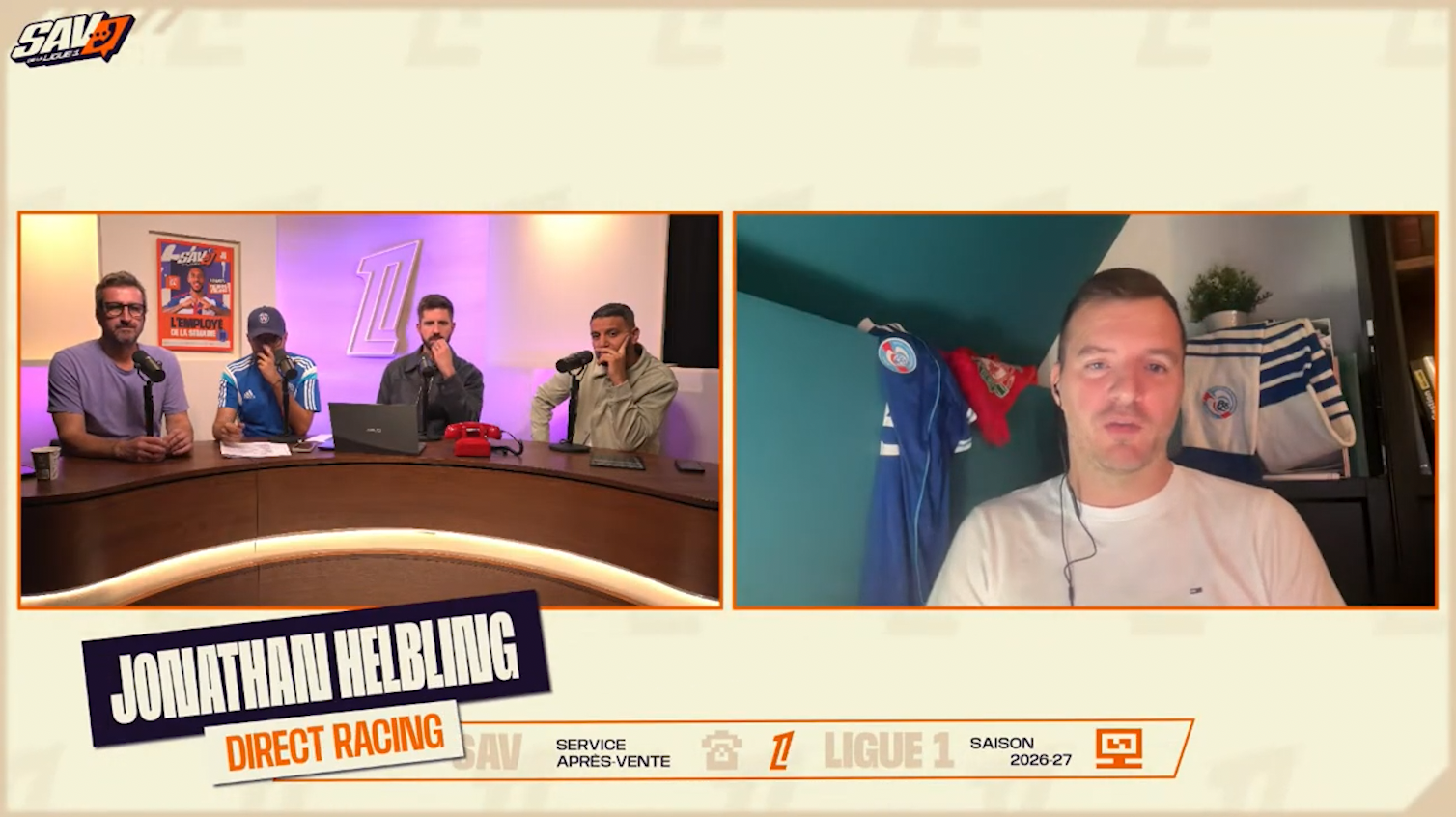
The topic dominated conversations across the weekend, eventually taking center stage on the Ligue 1 review panel. Following matchday five, journalist Jonathan Helbling joined the show to dissect the tense conclusion at Stade Jean-Bouin, Liam Rosenior’s January switch to Chelsea, and the subsequent reaction from supporters. The guiding principle was clear: understand the anger of Strasbourg fans while refusing to excuse the insults.
A single owner with two clubs
According to Helbling, the resentment from the stands stems not from the departure itself but from where Rosenior went. “The issue is that he leaves mid-season when Strasbourg is performing well, still competing in the Conference League. The same group, BlueCo, takes him to place him at Chelsea.” He also pointed to the case of Mamadou Sarr, recalled from his loan by Chelsea after Rosenior’s arrival: “That hurts us badly because we no longer have a settled center-back pairing.”
Would a move to another major club have caused the same damage? “No, it would not have been perceived the same way. Strasbourg supporters would have clearly understood it. Here, the problem is you have one owner with two businesses, and he takes from one to give to the other.” Was Rosenior almost obliged to go? “For me, that is a certainty.”
His reaction was human
On the insults heard at Jean-Bouin, the tone was more measured. “Throughout the match, he was subjected to insults of extreme virulence. You can banter, you can tease, but insults targeting family, his mother, that is truly excessive.” And Rosenior’s response at the final whistle? “He needs to control himself better, but it is human. Totally human.” Another panelist, Houssem, shared this view, understanding the supporters’ frustration but not two hours of insults. Others noted that after leaving mid-season, Rosenior could have kept a low profile.
The chaotic January press conference
The discussion then shifted to how Rosenior announced his departure last winter. Helbling recalled an impromptu press conference: “He comes in, sits down, and says: go ahead, ask your questions. A press conference like that should be prepared; he should have a speech.” Substantively, he remembered a message he deemed disrespectful to the club: the notion that fans should be proud to see their coach leave for Chelsea.
Communication strategy or clumsiness? The panel was divided. Houssem saw poorly chosen words meant to convey that Racing now attracts big clubs; another panelist saw a prepared announcement to soften the blow. Helbling settled the matter: “There is a lot of clumsiness, but when you announce a press conference, you cannot come out with that after five minutes. It was not prepared, that is the problem.”
The panel also touched on Racing’s start to the season, sitting eighth with seven points before the break, and the defeat at Paris FC.