Behind Mali’s Dioura and Sévaré attacks: internal dynamics that enabled the JNIM’s deadly raids
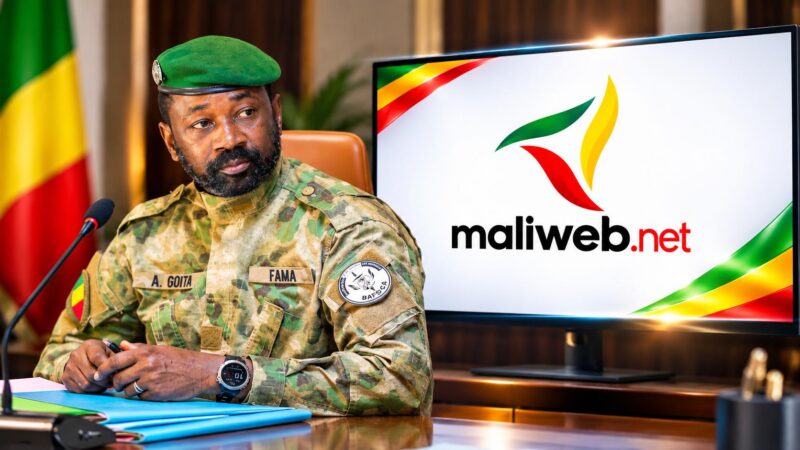
In recent days, the jihadist group carried out a series of coordinated assaults on Malian military positions and their Russian partners in Dioura and Sévaré. The strikes inflicted heavy losses and prompted Assimi Goïta to convene an emergency meeting in Bamako on Sunday. Beyond the immediate toll, the attacks expose deeper fractures within Mali’s security architecture and highlight the evolving tactics of the JNIM.
What drove the JNIM to strike Dioura and Sévaré simultaneously
For months, the JNIM has been expanding its operational reach across central Mali. The choice of Dioura and Sévaré reflects a calculated strategy: hit two strategic locations at once to stretch Mali’s already overstretched forces and signal that no area is beyond the group’s reach. The involvement of Russian private military contractors in the defense of these outposts added a further dimension, turning the encounters into a direct test of the partnership between Bamako and its foreign allies.
The tactical logic behind the attacks
Multiple attacks in quick succession are designed to overwhelm response capabilities. By targeting both Dioura and Sévaré, the JNIM forced the Malian army to divide its attention and resources. The Russian partners, reportedly present at these sites, were drawn into the fighting, which may have been part of the militia’s plan to demonstrate their vulnerability and undermine the perceived effectiveness of foreign support.
Bamako’s emergency response: a patch or a plan?
Assimi Goïta’s meeting in Bamako on Sunday brought together key military and security officials to assess the damage and chart a way forward. While the immediate focus was on reinforcing the affected areas, the discussions also touched on broader concerns about intelligence failures and the ability to anticipate such coordinated offensives. The fact that the attacks occurred despite heightened alert levels raises questions about the effectiveness of current counterterrorism measures.
Strains on the military alliance with Russia
The presence of Russian operatives in Dioura and Sévaré has been a contentious issue. Their involvement in the recent clashes not only underscores their role in Mali’s defense but also puts them in the crosshairs of the JNIM. The dual attacks could be interpreted as a message to both Bamako and Moscow that their partnership is not immune to jihadist pressure. This may influence future decisions on the scale and nature of Russian support.
What the double offensive reveals about Mali’s security landscape
The attacks on Dioura and Sévaré are not isolated incidents but part of a broader pattern of escalating violence in central Mali. The JNIM has been steadily intensifying its campaign, exploiting gaps in governance and security. The simultaneous strikes suggest a high level of coordination and local knowledge, indicating that the group has entrenched networks in these areas. For Mali’s government, the challenge is not only to respond militarily but also to address the underlying grievances that fuel recruitment and local support for jihadist groups.
The road ahead: beyond military solutions
While military reinforcements may temporarily restore order, a durable solution requires a comprehensive approach that includes improved intelligence, community engagement, and addressing the socio-economic drivers of extremism. The recent events in Dioura and Sévaré serve as a stark reminder that Mali’s security crisis is multifaceted and cannot be resolved through force alone. As the nation mourns its losses, the pressure is on Bamako to recalibrate its strategy and prevent further attacks.