Whistleblower exposing Wagner in central africa denied french asylum
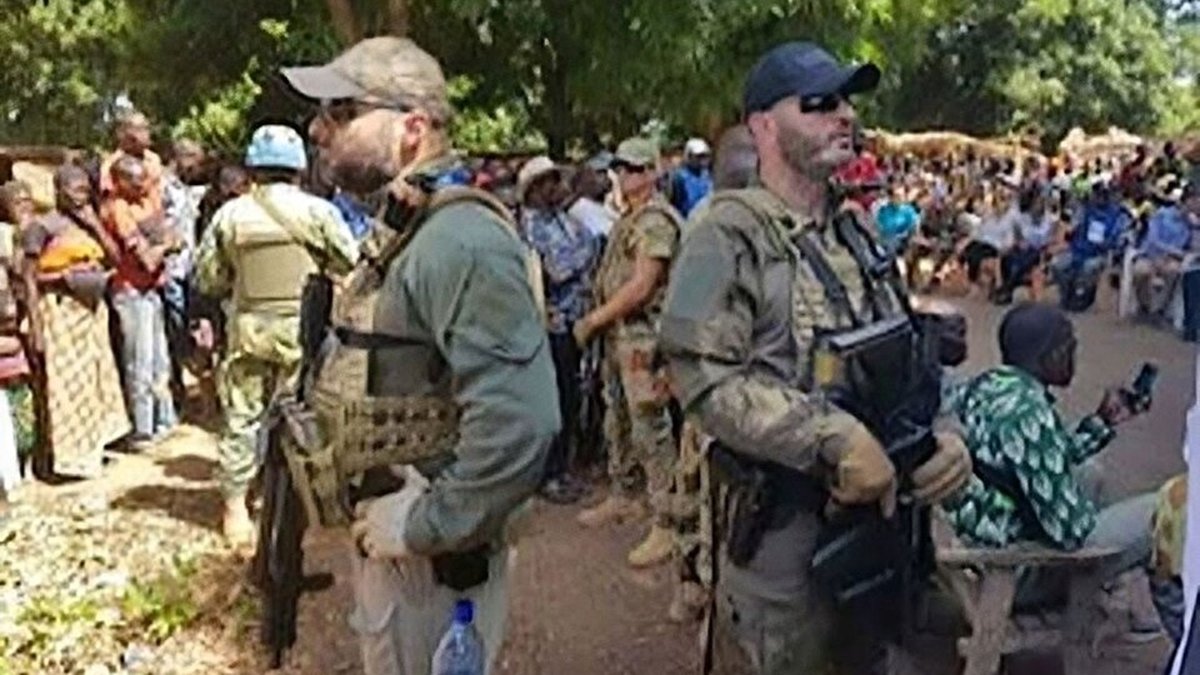
In a move that has sent shockwaves through international human rights circles, French authorities have rejected the asylum application of Centrafrican journalist Ephrem Yalike-Ngonzo, who risked everything to expose the shadowy operations of the Wagner Group in his homeland.
The decision, delivered on July 10, 2024, comes despite direct intervention from President Emmanuel Macron, who had previously granted Yalike-Ngonzo a special travel permit to enter French territory. The rejection has been condemned as a dangerous precedent for those battling Russian propaganda networks across Africa.
From paid propagandist to hunted whistleblower
Yalike-Ngonzo’s journey from reluctant participant to courageous informant began in late 2019. At the time, he was a working journalist in Centrafrique, surviving on a modest salary that barely covered his basic needs. Russian operatives approached him with an offer: for each pro-government article published, he would receive between 15 and 30 euros—approximately a quarter of his monthly income.
For years, he complied, unaware that his words were part of a broader campaign to legitimize Wagner’s presence in the country. It wasn’t until 2024, when he contributed to an investigation by Forbidden Stories, that he fully grasped the scale of the deception. The revelations exposed not only his own role but also the intricate web of misinformation spun by Wagner operatives across the Sahel region.
As threats against him escalated, Yalike-Ngonzo made the agonizing decision to flee. His decision to speak out came at a heavy personal cost. Death threats from Wagner operatives forced him into hiding, first within Centrafrique’s borders and later across international lines.
Sanctions and survival
The impact of his disclosures was immediate. European authorities responded swiftly, imposing sanctions on Mikhail Prudnikov, identified as a key architect of Moscow’s propaganda machine in Centrafrique. Despite this victory, Yalike-Ngonzo’s personal safety remains precarious.
His asylum plea, which had initially seemed secure thanks to Macron’s intervention, was abruptly rejected. The decision underscores the fragility of protections for those who dare to challenge powerful interests. French authorities cited procedural grounds, leaving human rights advocates stunned by the apparent contradiction between diplomatic statements and enforcement actions.
An uncertain future
On July 9, Yalike-Ngonzo’s legal team filed an urgent appeal with France’s National Asylum Court. The process is expected to drag on for at least a year, leaving him and his family in legal and physical limbo. For now, they remain in hiding on French soil, constantly moving to avoid detection.
The situation takes an even darker turn for his relatives back in Centrafrique. Authorities there have intensified their interrogation of his family, demanding to know his whereabouts under duress. The pressure on his loved ones adds another layer of torment to an already unbearable situation.
His lawyer has described the rejection as a chilling message to anyone considering exposing Russian operations in Africa. “This decision sends a profoundly negative signal,” the lawyer stated. “It tells whistleblowers that even when they expose grave human rights violations, the international community may abandon them.”