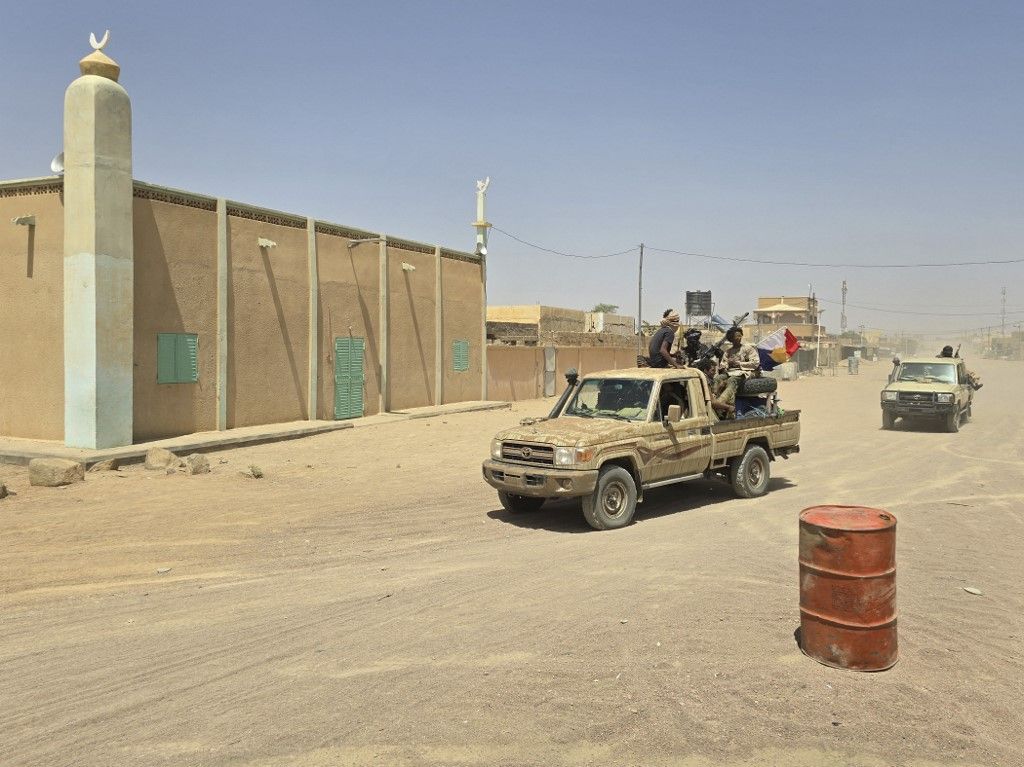
The militant group known as Jama’at Nusrat al-Islam wal-Muslimin (JNIM) is currently advancing toward the outskirts of Bamako. If the capital falls, this Al-Qaeda-linked organization—already the most dominant force in the security Sahel landscape—would effectively control a massive portion of Mali. Their ongoing offensive is successfully pushing back both government troops and Russian mercenaries, marking a critical turn in West Africa Sahel news.
JNIM was officially established on March 2, 2017, following the merger of four distinct jihadist entities operating in the region. Operating under the Al-Qaeda banner, the group has spread instability across the territory. Its leader, Iyad Ag Ghali, a former diplomat and Tuareg rebel, serves as the emir. The group’s influence has surged notably following the withdrawal of the French Barkhane operation, making it a central focus for Sahel news English reports.
Establishing an Islamic emirate in the Sahel
Driven by a fundamentalist ideology, these militants are fighting to establish a sovereign Islamic emirate. This Sahel Vision of governance is based on a rigorous interpretation of religious law and seeks to transform the political Sahel landscape through force.
In September 2025, JNIM began implementing economic blockades around specific towns, a tactic designed to soften defenses before major military engagements. By the end of April, the group initiated a massive, coordinated strike alongside Tuareg rebels against the Malian military junta. With an estimated 5,000 fighters, JNIM has achieved significant territorial gains and now poses a direct threat to Bamako. The humanitarian Sahel consequences of these blockades and the intensifying conflict continue to raise alarms across the region.