Mali security crisis: how JNIM and FLA alliance challenges the junta
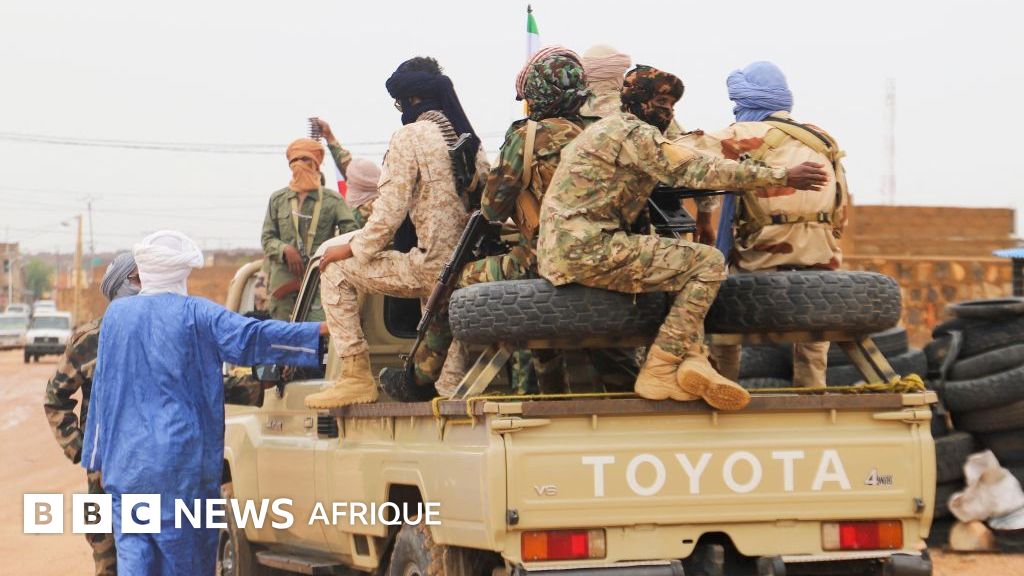
The coordinated assaults carried out over the weekend by the Group for the Support of Islam and Muslims (JNIM) and the Front for the Liberation of Azawad (FLA) have exposed the fragility of Mali’s military-led government, revealing a new level of insurgent coordination sweeping across the country.
These simultaneous strikes targeted multiple urban centers, from Bamako to Kidal, marking a significant escalation in the conflict. The combined operations of these two groups—historically divided by ideology and objectives—signal a dangerous tactical convergence against a common adversary: the Malian junta.
The alliance represents a tectonic shift in the Sahel’s security landscape, where traditional divisions are giving way to opportunistic partnerships capable of reshaping regional power balances. This unexpected cooperation highlights a broader trend: the rise of flexible insurgent networks that can exploit political and military weaknesses.
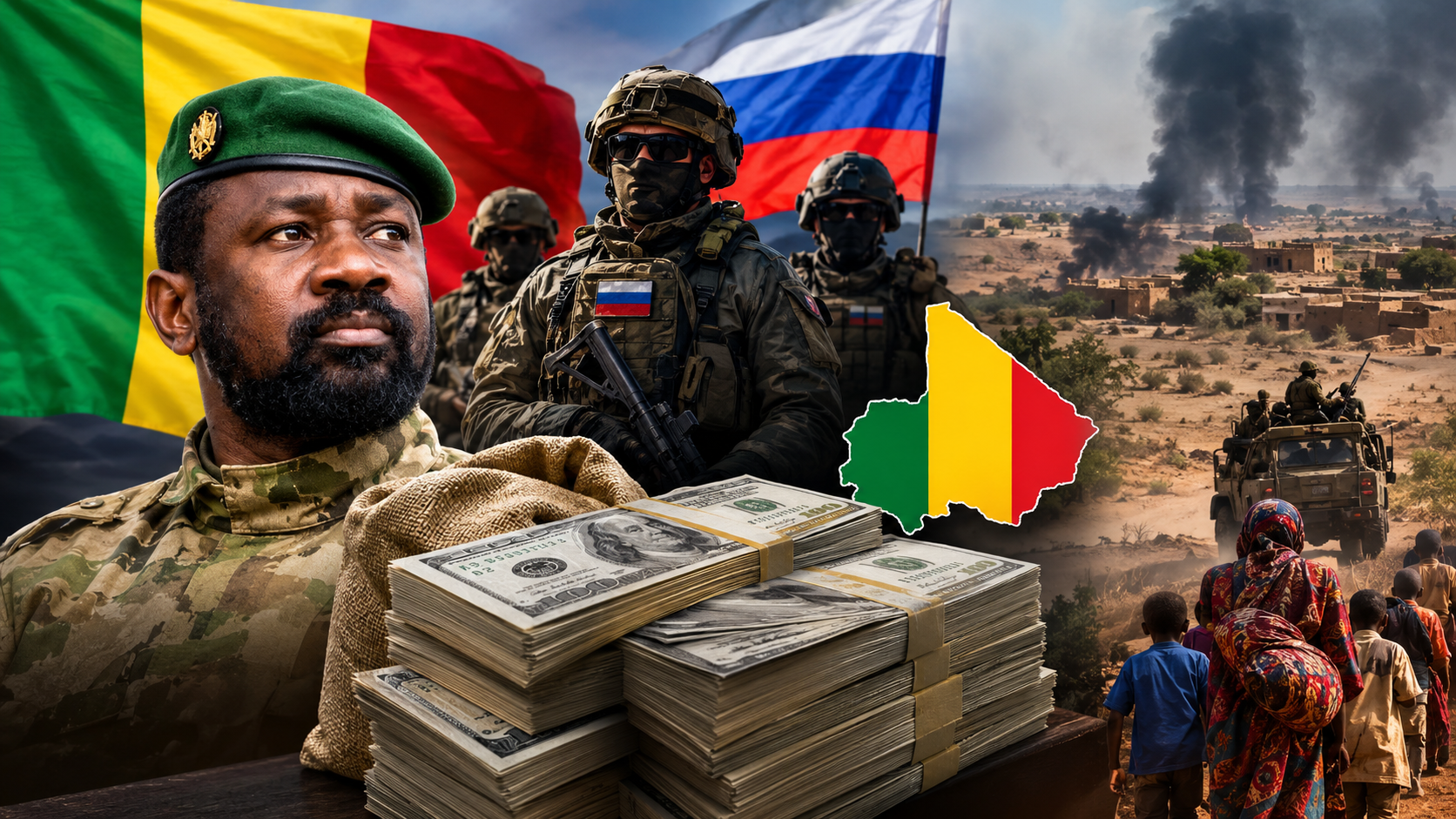
The attacks not only threaten Mali’s internal stability but also strain its relationships with international partners, including Russia and members of the Sahel Alliance, raising concerns about potential strategic isolation for the embattled regime.
From rivals to allies: a tactical convergence
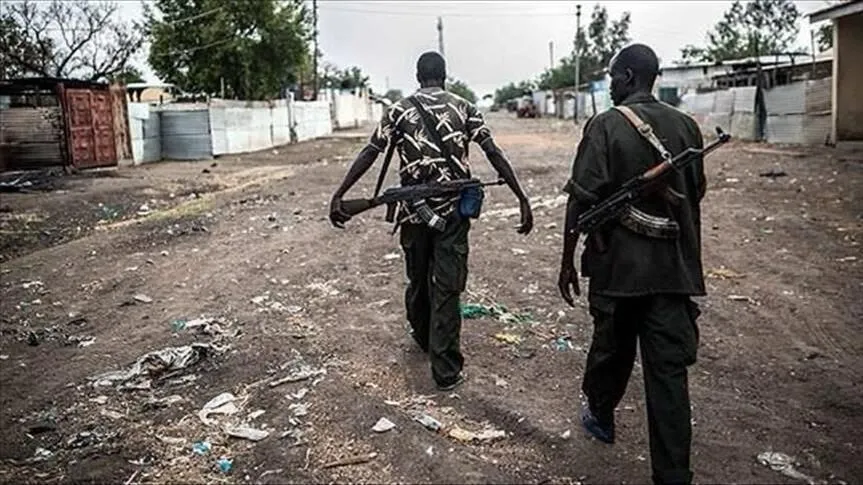
The JNIM, an Al-Qaeda-affiliated jihadist coalition active across the Sahel, seeks to establish an Islamic state governed by its interpretation of Sharia law. Its tactics include guerrilla warfare, targeted assassinations, and terror campaigns designed to destabilize governments.
The FLA, on the other hand, is a separatist movement rooted in the Tuareg community, fighting for autonomy or independence for the Azawad region. It draws legitimacy from local grievances and historical grievances tied to Tuareg identity.
While these groups have long been ideological adversaries—with the FLA rejecting jihadist expansion and the JNIM viewing separatists as territorial competitors—their recent cooperation reflects a pragmatic shift. The FLA contributes local networks and terrain expertise, while the JNIM brings combat experience, firepower, and transnational logistical support.
Despite their divergent long-term goals, both groups have united against the Malian state, leveraging their complementary strengths to amplify their impact. This tactical alliance, though not unprecedented, signals a dangerous new phase in the country’s security crisis.
An alliance built on fragility and risk
Experts warn that this cooperation is inherently unstable. As noted by Emmanuel Odilon Koukoubou, political scientist and researcher at the Civic Academy for Africa’s Future (CiAAF), similar alliances have collapsed in the past. During the 2012–2013 conflict, the National Movement for the Liberation of Azawad (MNLA) briefly allied with jihadist groups like AQMI and Ansar Dine to oust Malian forces from the north. However, the alliance quickly unraveled when the jihadists turned on their former partners, seizing control of key territories such as Kidal.
“The FLA lacks the manpower and resources to sustain this alliance alone,” Koukoubou explains. “Jihadists may initially cooperate, but their long-term agenda—establishing a caliphate—ultimately conflicts with separatist goals. History shows such alliances are fragile.”
Alioune Tine, founder of the Dakar-based think tank Afrikajom Center and former UN independent expert on Mali, describes the current alliance as a direct threat to the junta. “The goal is clear: attack, weaken, and potentially remove the military government,” he states.
>The assassination of Defense Minister Sadio Camara—killed in a targeted strike on his residence in Kati—has sent shockwaves through the regime. The attack demonstrated a glaring vulnerability in the junta’s security apparatus, with assailants reaching the minister’s home despite his prominent role in the military hierarchy.
“The death of Sadio Camara is a symbolic and strategic blow,” Tine emphasizes. “He was not just a military figure but an intellectual architect of the junta’s security doctrine. His loss exposes deep flaws in command structures and intelligence systems.”
The absence of the president from public communication for 48 hours following the attacks further fueled speculation about internal instability. Prime Minister Abdoulaye Maïga acknowledged the government’s obligation to learn from the April 25 incidents, vowing to implement necessary corrections to strengthen national security.
Regional spillover: the domino effect feared by analysts
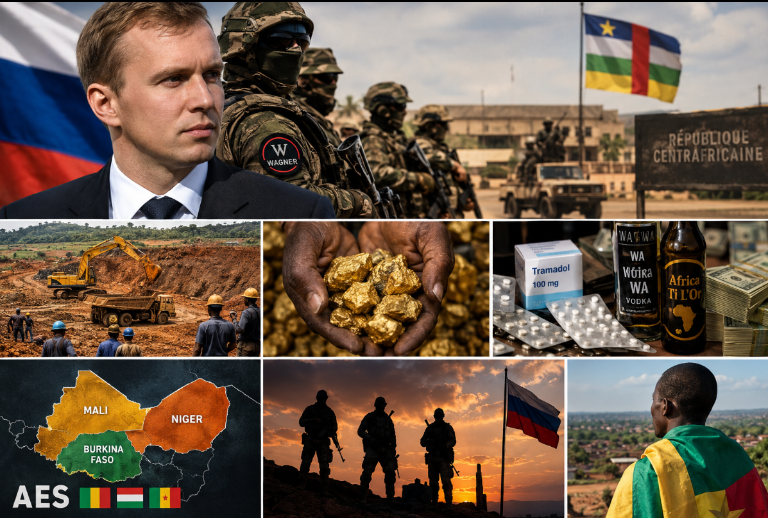
The crisis unfolds amid escalating diplomatic tensions. Mali, increasingly isolated from Western partners, has pivoted toward Russia and the Alliance of Sahel States (AES). However, the junta’s limited external support options heighten its vulnerability.
“The regime is exposed in its fragility,” warns Koukoubou. “Its international backing is shrinking, and the risk of isolation is real. Without external allies, the junta’s survival becomes even more precarious.”
Tine issues a stark warning: “The collapse of Mali could trigger a domino effect across West Africa. The jihadist threat has already spread; a state collapse would accelerate this contagion.”
He calls for urgent regional action: “The priority is to develop a collective security strategy. Only a unified response can address this crisis, which is simultaneously a security, democratic, and governance challenge.”
“If I were the ECOWAS or AES, I would recognize that our fates are intertwined. We must hold an extraordinary summit on regional security. The time for national egos is over. We need shared sovereignty in security.”