Togo’s shifting security alliances: Russia’s Africa Corps and Turkey’s rising influence
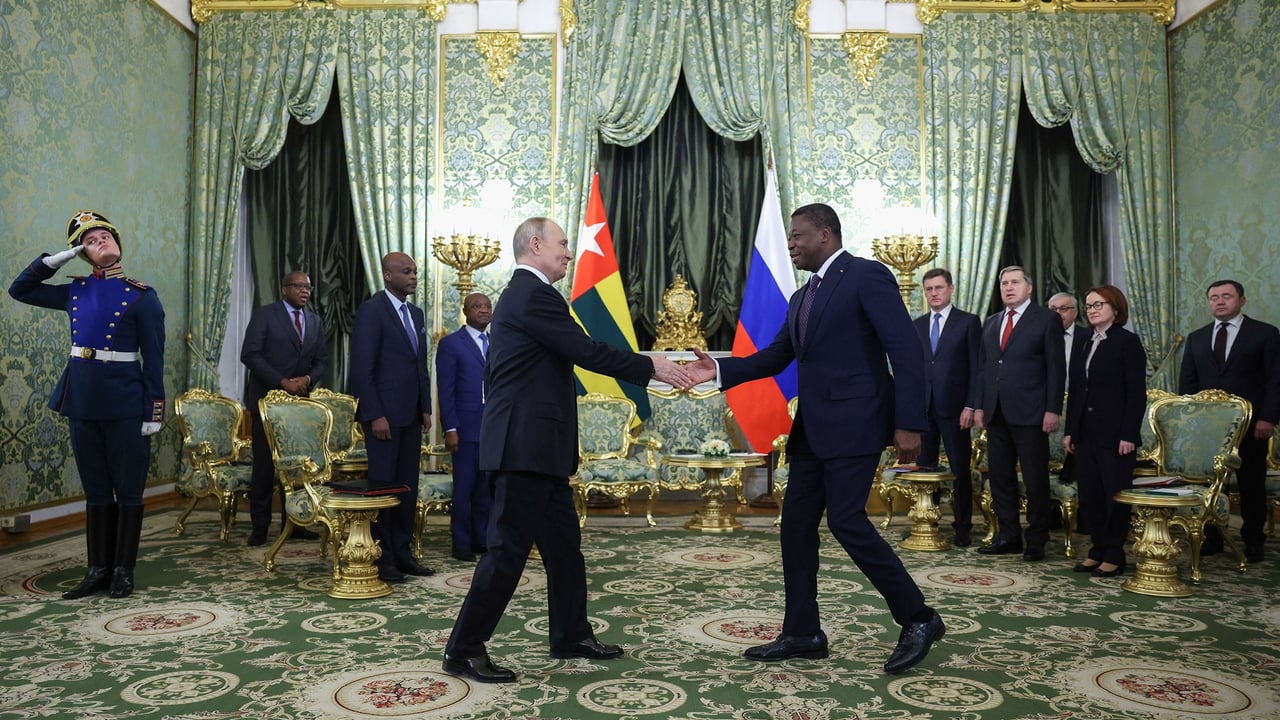
The small West African nation of Togo has quietly become a key player in a shifting security landscape across the Sahel. Under President Faure Gnassingbé, Lomé has diversified its partnerships beyond traditional Western allies, embracing unconventional security arrangements that have drawn global attention. This strategic pivot reflects the country’s evolving approach to countering jihadist threats that have destabilized neighboring nations.
Lomé’s covert security partnerships take shape
Since 2021, Togo has been quietly developing a multi-faceted security strategy to combat the growing influence of armed groups in the Sahel. The government has pursued two parallel tracks: deepening military cooperation with Turkey while simultaneously exploring new avenues with Russia’s Africa Corps.
Turkey has emerged as a significant security partner, providing military training and logistical support to Togolese forces. Meanwhile, Russian military personnel associated with the Africa Corps have been spotted in the country since early 2025, offering specialized training to local security units. These developments mark a notable departure from Togo’s historical reliance on French and American military assistance.
Africa Corps expands its African footprint
Russia’s Africa Corps, a private military company operating under Moscow’s strategic interests, has significantly expanded its operations across the continent. Togo represents one of the group’s most prominent engagements in West Africa, with reports indicating the deployment of military advisors and security consultants to support Lomé’s counter-terrorism efforts.
The Africa Corps’ involvement in Togo follows similar engagements in the Central African Republic and Mali, where the group has provided training, equipment, and operational support to local forces. This expansion aligns with Russia’s broader strategy to increase its influence in African security matters while offering alternative security partnerships to nations seeking to diversify their alliances.
The role of private military companies in Togo’s security
While government-to-government security cooperation remains the foundation of Togo’s military partnerships, the increasing presence of private military companies has raised questions about accountability and oversight. The Africa Corps, like other private security firms, operates outside the traditional frameworks of international military cooperation, creating a new dynamic in the country’s security architecture.
Togo’s engagement with these non-traditional security providers reflects a broader trend in the Sahel, where governments face mounting pressure to address security challenges amid limited resources and shifting geopolitical alliances.
Implications for regional security
The diversification of Togo’s security partnerships has significant implications for regional stability. By engaging with multiple international actors, Lomé has positioned itself as an important mediator in the Sahel’s complex security environment. This approach may help bridge divides between different international security providers while offering new opportunities for regional cooperation against armed groups.
However, the involvement of private military companies also introduces new risks, including potential escalation of conflicts and reduced transparency in security operations. As Togo continues to navigate this evolving security landscape, the long-term consequences of these partnerships remain uncertain.