Togo’s secret deals with Russia and Africa Corps for Sahel security
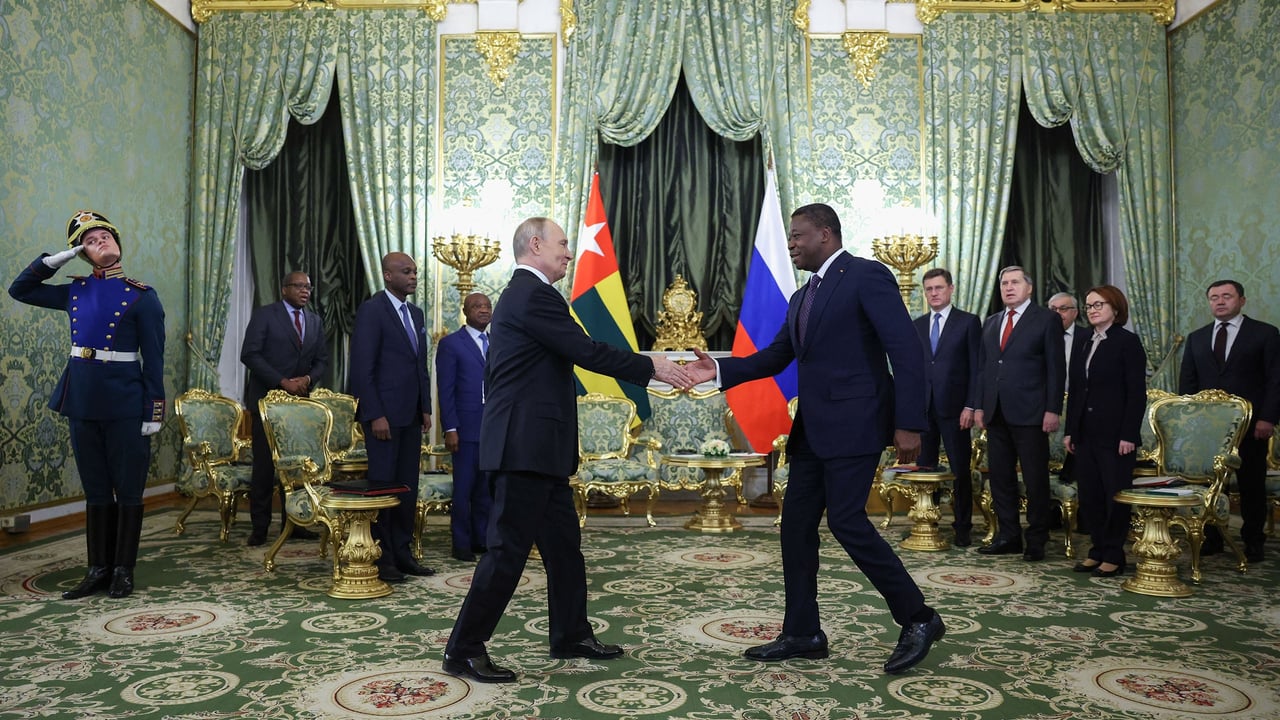
The Togolese government has quietly forged new military partnerships to strengthen its fight against jihadist threats in the Sahel. Recent reports reveal that Lomé has opened channels with Moscow’s Africa Corps while maintaining covert defense ties with Ankara, signaling a shift in regional security strategies.
Since 2025, the Togo government has been quietly negotiating with Russian officials regarding the deployment of Africa Corps advisors and equipment. These discussions follow years of discreet collaboration with Turkey, which has provided aerial support and logistical assistance to Togolese forces operating near the northern border regions.
Togo’s evolving security alliances in the Sahel
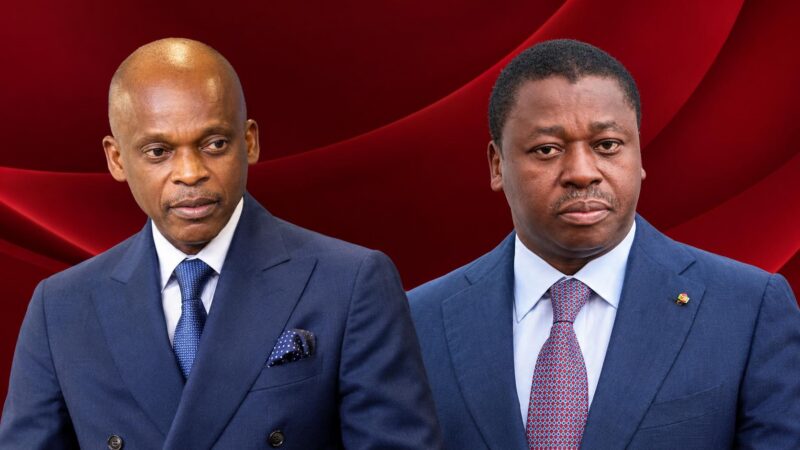
Under President Faure Gnassingbé, Togo has adopted a pragmatic approach to counterterrorism, balancing partnerships with Western allies and emerging global players. The country’s strategic location makes it a key player in regional security, particularly in the fight against Islamist insurgencies spreading across the Sahel.
While maintaining formal ties with traditional partners, Lomé has discreetly expanded military cooperation with Turkey, particularly in intelligence-sharing and drone operations. Reports indicate that Turkish military advisors have been stationed in the Savanes Region since early 2024, assisting in surveillance and counterinsurgency efforts.
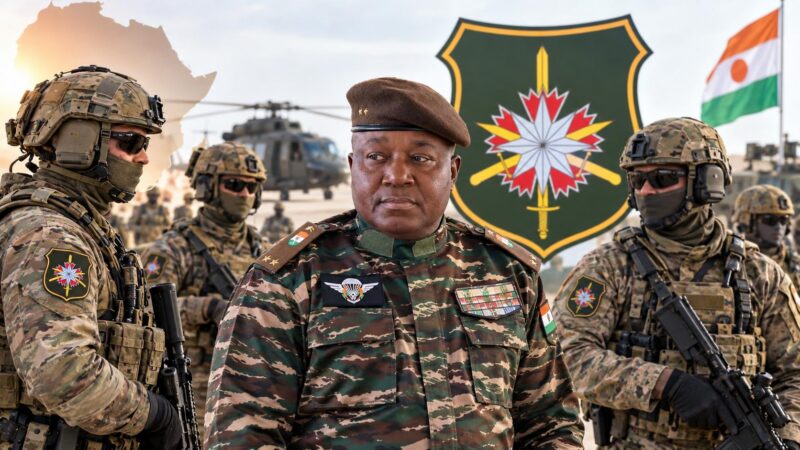
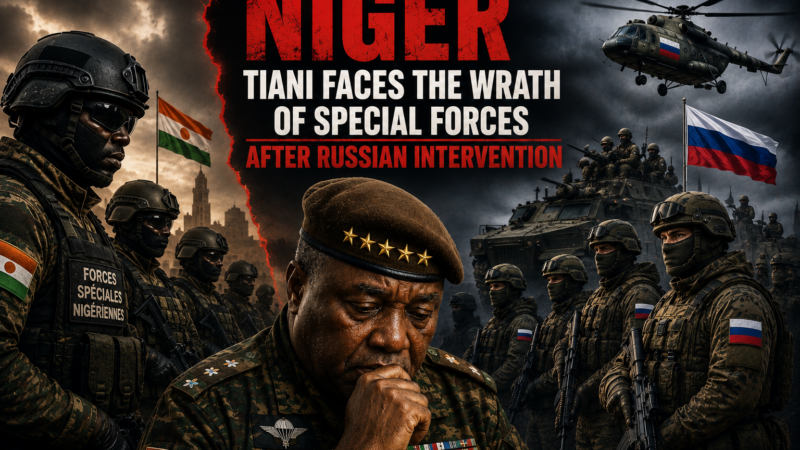
The arrival of Russian Africa Corps personnel marks a significant development. Observers note that Moscow’s involvement follows a pattern seen in other West African nations, where Wagner-affiliated groups have been linked to security contracts and resource extraction deals.
What does this mean for Sahel security?
The growing presence of foreign military actors in Togo raises questions about the long-term implications for regional stability. While Lomé frames these partnerships as necessary for combating terrorism, critics warn of potential risks, including over-reliance on non-transparent security arrangements.
Analysts highlight that Togo’s approach reflects broader trends in the Sahel, where governments increasingly turn to alternative security providers amid frustration with Western military cooperation. The move could influence neighboring countries’ strategies, particularly those grappling with similar insurgent threats.
For now, the Togolese government has not publicly confirmed the exact nature of its agreements with Russia or Turkey. However, the shift underscores a broader realignment in the region’s security architecture, with Lomé positioning itself as a crucial player in the Sahel’s evolving conflict landscape.