Strengthening Mali’s healthcare system for vulnerable populations
strengthening Mali’s healthcare system for vulnerable populations
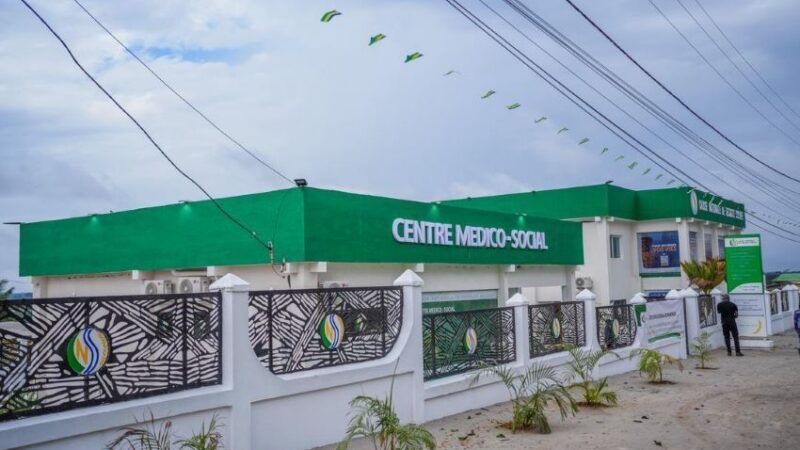
Mali launches a national health month to address critical healthcare access gaps for its most vulnerable citizens.
Equitable access to healthcare remains an elusive goal for many Malians. The 2012 security crisis compounded challenges within an already fragile health infrastructure. women, infants and war-wounded individuals face particularly severe barriers when seeking medical treatment.
In response, Malian authorities are prioritizing healthcare despite persistent security concerns. Their flagship initiative—the inaugural National Health Month—launched in November, aims to enhance healthcare access through expanded social protection measures.
“population health improvement remains a cornerstone of our government’s agenda. I commend Minister Diéminatou Sangaré for launching this vital initiative, which will create essential communication channels between health service providers and beneficiaries while clarifying everyone’s roles and responsibilities.” stated Colonel Abdoulaye Maïga, Mali’s interim Prime Minister, during the program’s inauguration.
Critical child health statistics demand immediate action
The Prime Minister emphasized the initiative’s timely launch, noting that key targets for reducing mortality and disease rates remain unmet. Birth-related statistics paint an alarming picture:
- 54 infant deaths per 1,000 live births occur annually
- 33% of deliveries take place outside healthcare facilities
- only 45% of children aged 12-23 months receive complete basic vaccinations
The Prime Minister continued: “one in three children under five suffers from growth retardation, and just 40% of infants under six months receive exclusive breastfeeding.” He also highlighted widespread lack of awareness about health and social protection systems, which further exacerbates healthcare access difficulties.