Dengue outbreak in Mali: health authorities on high alert
Mali faces a growing dengue fever crisis as health officials confirm 12 new cases in Bamako and neighboring regions, raising concerns about mosquito-borne disease control.
Current situation and confirmed cases
Health authorities in Mali have identified 12 confirmed dengue cases in Bamako’s urban areas and surrounding districts including Kalaban Coro and Koulikoro. The dengue virus, typically spread through mosquito bites, has emerged as a significant public health concern following previous outbreaks in 2008, 2017, and 2019.
According to Kalif Keita, Deputy Director General of Public Health and Hygiene: “Most affected individuals are adults, particularly men.” This pattern differs from many tropical diseases that disproportionately impact children or vulnerable populations.
Historical context and surveillance challenges
While Mali first detected dengue in 2008, comprehensive data on its spread remains scarce. Experts cite two primary obstacles: limited diagnostic capabilities and symptom overlap with malaria – both common in West Africa. The recent dengue detection in neighboring Burkina Faso has prompted Malian authorities to heighten surveillance efforts.
Health experts emphasize that dengue fever requires vigilant monitoring due to its potential to escalate into severe outbreaks, particularly during seasonal changes when mosquito populations thrive.
Prevention measures for residents and travelers
With no specific treatment for dengue fever, prevention remains critical. Health officials recommend:
- Mosquito bite prevention: Use EPA-approved repellents, wear long sleeves and pants during dawn/dusk hours when mosquitoes are most active
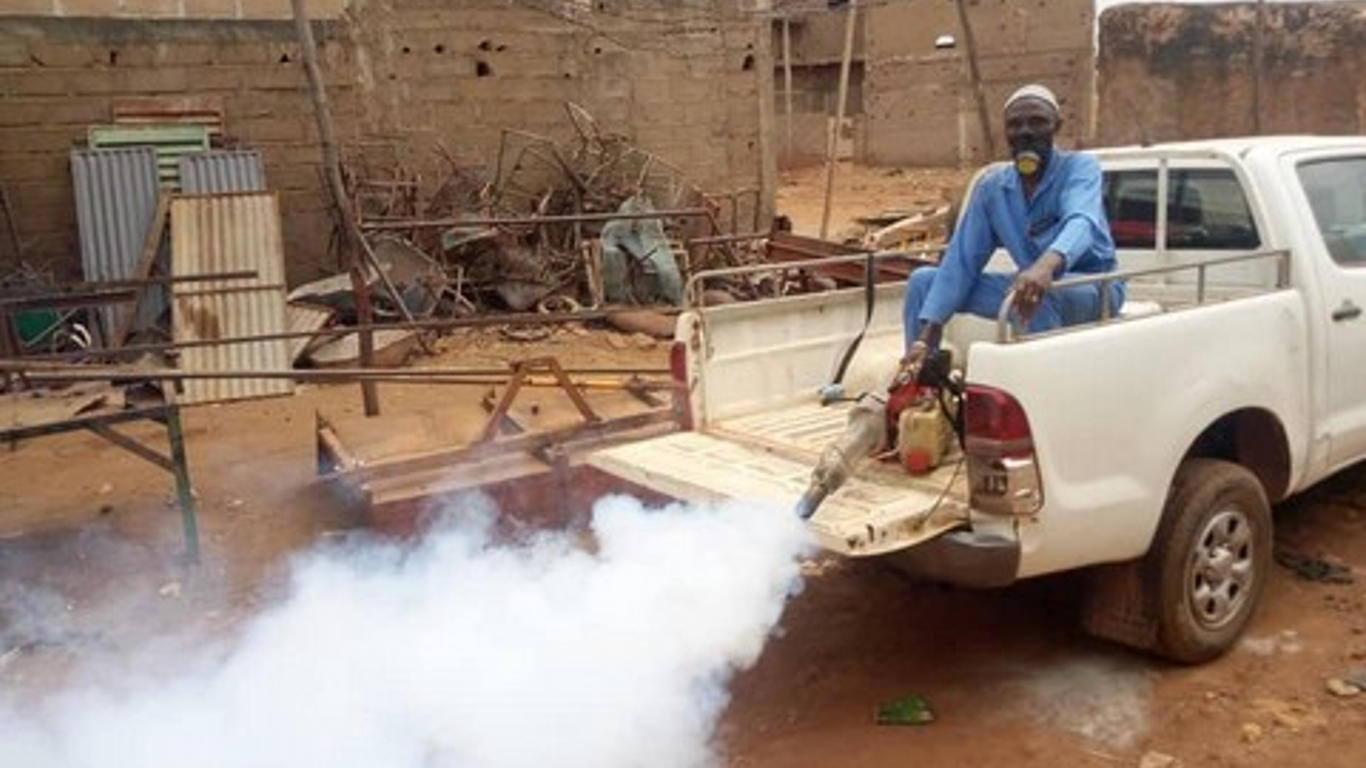
- Environmental control: Eliminate standing water sources where mosquitoes breed (flower pots, old tires, uncovered water containers)
- Travel precautions: Travelers returning from affected regions should monitor their health for 14 days post-arrival
- Community efforts: Participate in local mosquito control programs and report standing water in public areas
Early symptoms include high fever, severe headache, joint/muscle pain, and rash – often mistaken for malaria. Anyone experiencing these symptoms should seek immediate medical attention.