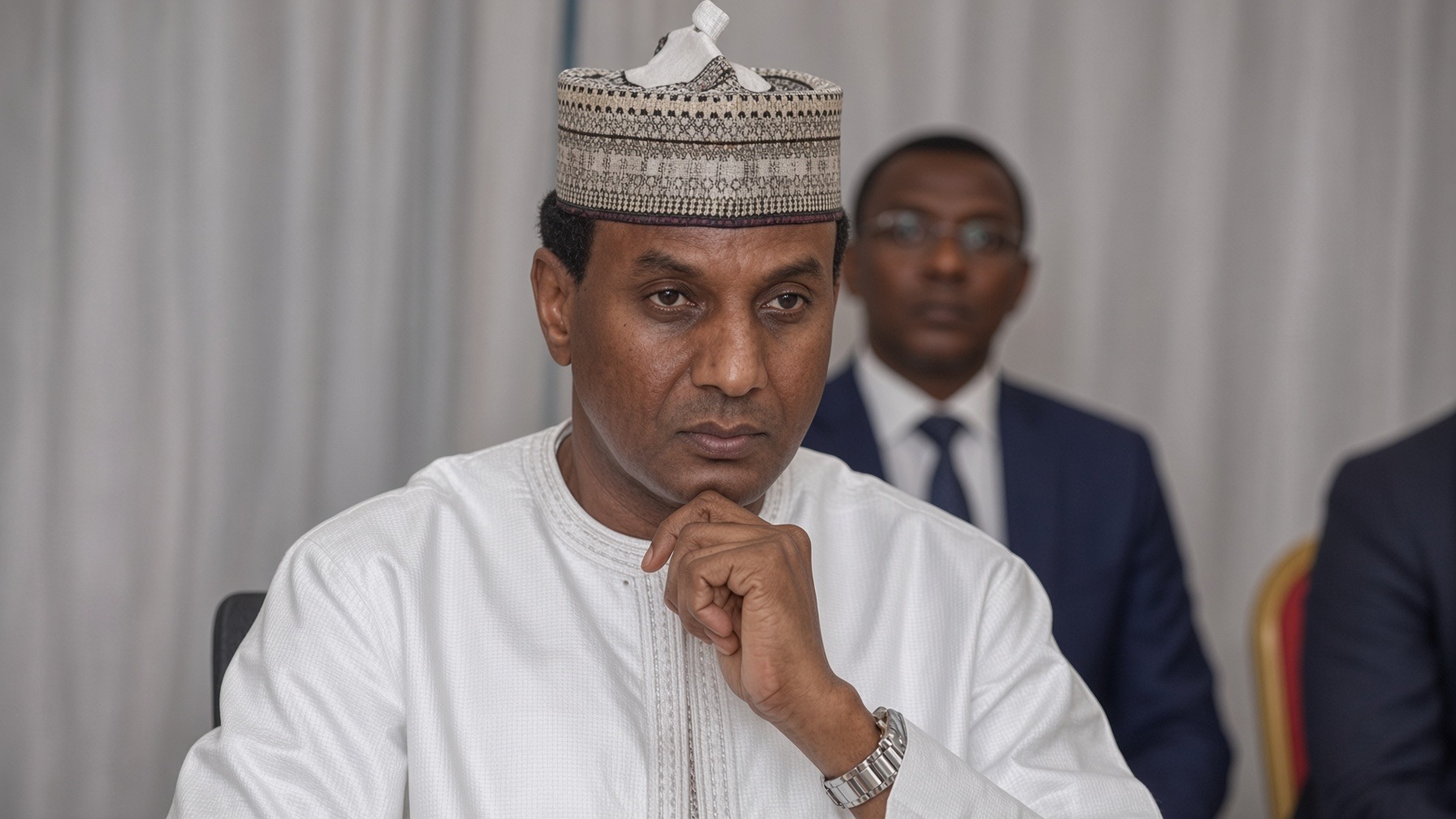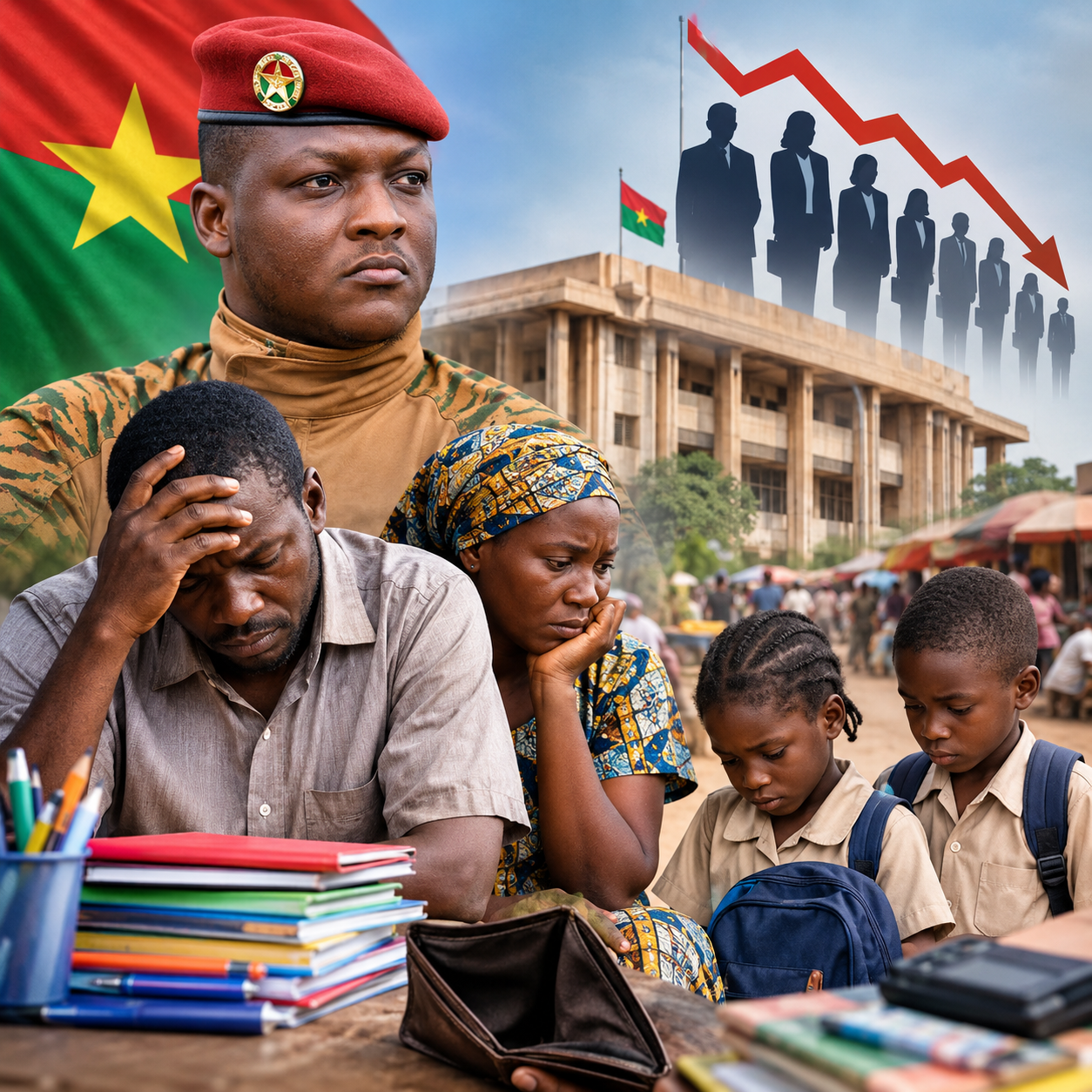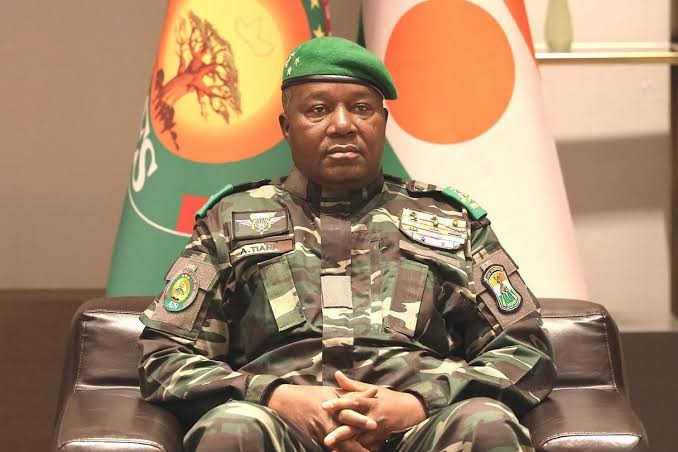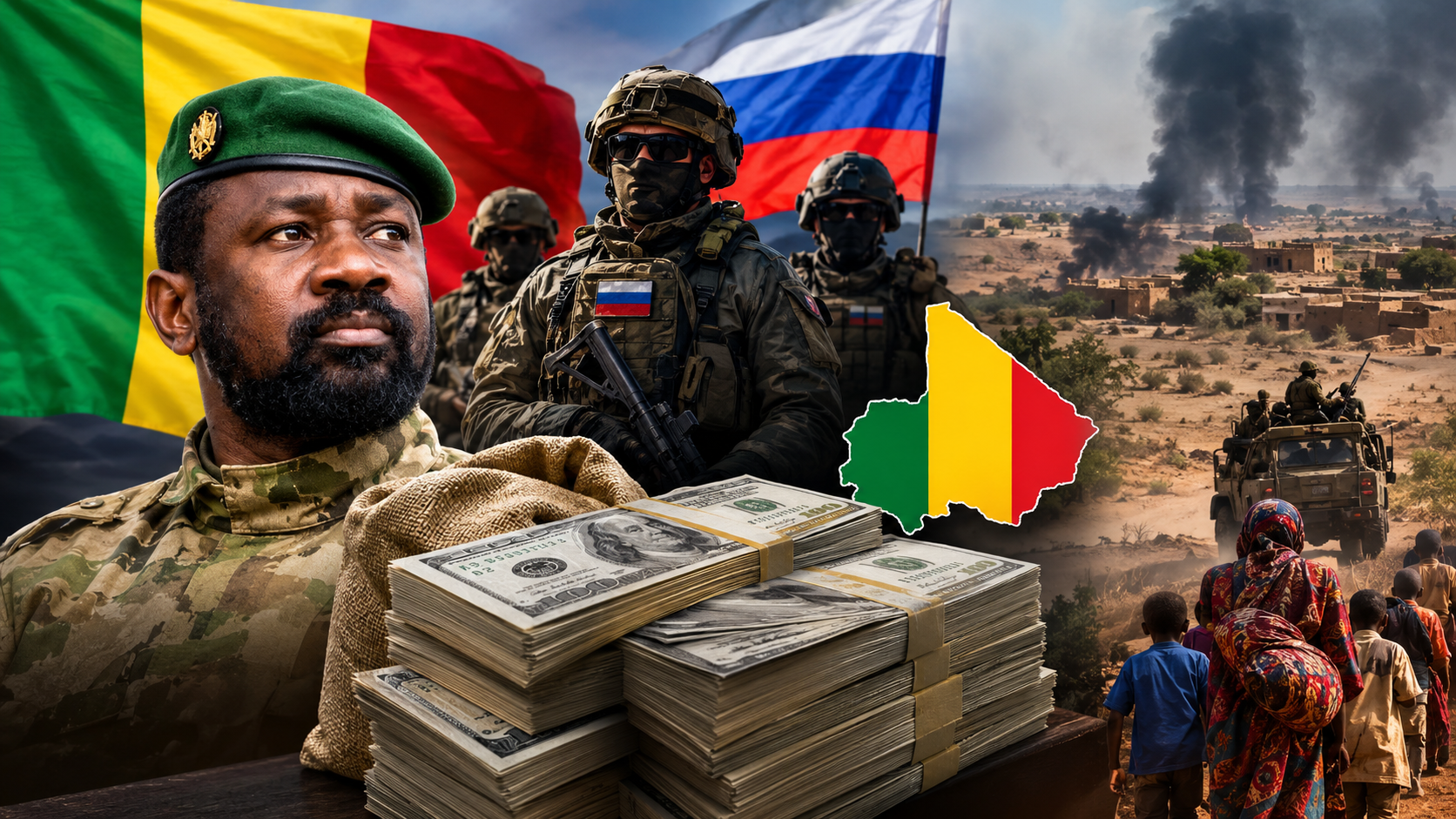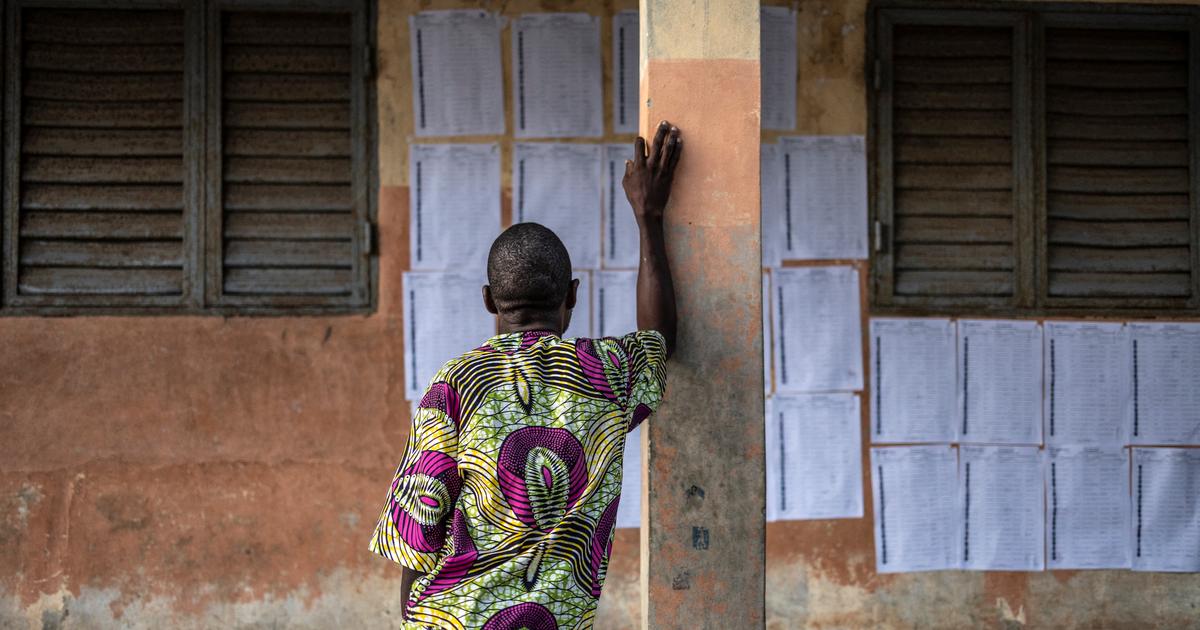

Elections in Africa have increasingly become predictable affairs, with opposition candidates systematically sidelined before campaigns even begin. The most recent examples came in early April 2026, during presidential votes in Djibouti and Bénin. In both cases, incumbents secured overwhelming victories—Ismaïl Omar Guelleh won Djibouti’s election with 97.8% of the vote, while in Bénin, Romuald Wadagani claimed 94% of ballots as Patrice Talon’s anointed successor.
These landslide results, however, reveal more than just political dominance. They highlight a growing trend: exorbitant candidacy fees that effectively block opposition figures from even entering the race. In Djibouti, aspiring challenger Alexis Mohamed abandoned his bid, citing not only safety concerns but also the insurmountable financial barrier of participation costs. Analysts now describe such elections as “ritualistic”, where outcomes are predetermined long before polling stations open.
By François Mvondo — Reporter

François Mvondo
Journalist
Related Story