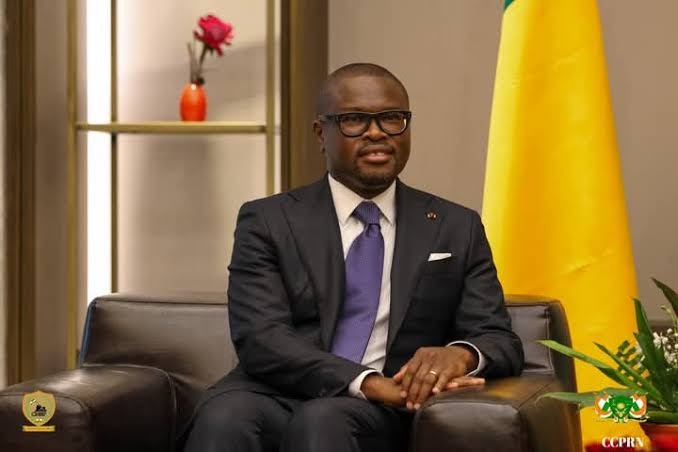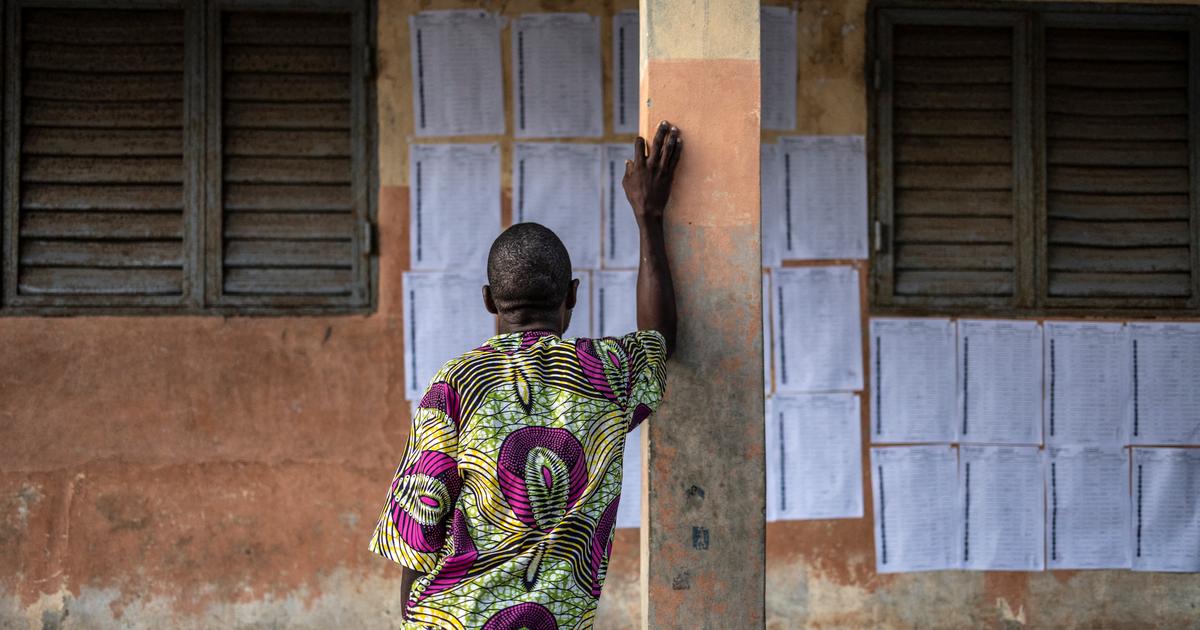

“Preordained victories,” “lackluster contests,” “incumbent presidents securing first-round wins.” The 2025 African presidential elections followed a disturbing pattern: opposition candidates were systematically sidelined before campaigns even began. The most recent examples occurred in Djibouti on April 10 and in Benin on April 12, where incumbents claimed landslide victories—97.8% in Djibouti for President Ismaïl Omar Guelleh and 94% in Benin for Romuald Wadagni, the anointed successor of Patrice Talon. These overwhelming margins tell only part of the story.
In Djibouti, opposition leader Alexis Mohamed abandoned his candidacy, citing insurmountable obstacles. While safety concerns played a role, the decisive barrier was financial. “Nomination fees became an insurmountable hurdle,” he explained. Analysts now describe the election as “purely ceremonial,” with opposition voices effectively silenced long before polling day.
Ballot box economics: how high fees tilt the playing field
This is not an isolated incident but a systemic issue across the continent. Presidential hopefuls routinely face staggering campaign costs that dwarf the budgets of most opposition parties. These exorbitant fees—ranging from registration deposits to compliance-related expenses—serve as a de facto exclusion mechanism, preventing credible challengers from even entering the race.
“The system has been engineered to favor incumbents,” notes a political analyst. “High financial thresholds create artificial barriers that most opposition movements cannot overcome, regardless of their popular support.” The result? Elections that lack genuine competition, where outcomes are predetermined by financial muscle rather than voter preference.
Financial barriers to democracy
The consequences extend beyond individual candidacies. When opposition candidates are priced out of the process, voters are left with no meaningful choice. “Democratic participation suffers when the only options on the ballot are those who can afford to run,” argues a governance expert. “This erodes public trust in electoral institutions and fuels perceptions of systemic unfairness.”
In Benin, where Romuald Wadagni secured his victory with minimal opposition, critics point to the nomination fee structure as a central factor. “The cost of running for president effectively disqualifies all but the most well-funded candidates,” explains a local political observer. “This isn’t about policy differences—it’s about who can afford to enter the arena.”
The pattern is clear: high financial barriers transform elections into exercises in exclusion rather than competition. As one commentator put it, “In Africa today, democracy is being priced out of reach for too many citizens.”