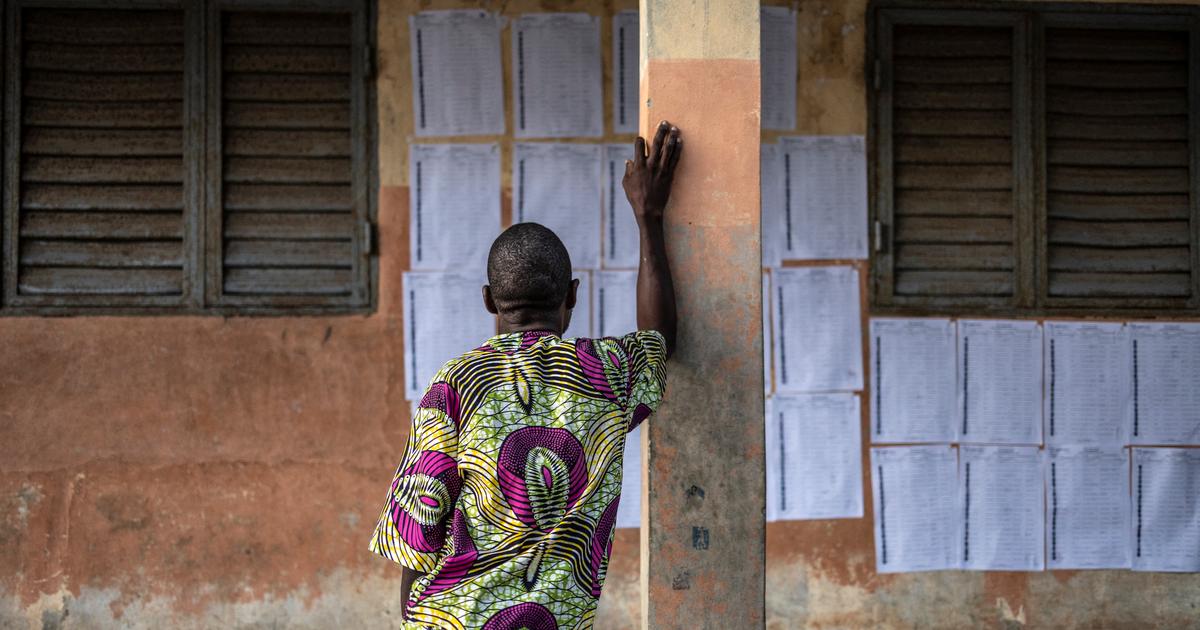
“Rigged elections”, “one-sided contests”, “landslide victories for incumbents”. African presidential polls in 2025 were dominated by a pattern of opposition suppression before campaigning even began. The latest cases came in Djibouti on April 10 and Benin on April 12. In the Horn of Africa nation, President Ismaïl Omar Guelleh secured a sixth term with 97.8% of the vote. In Benin, Romuald Wadagni—handpicked successor to Patrice Talon—claimed victory with 94% support. These overwhelming tallies followed contests where genuine opposition was effectively absent.
In Djibouti, opposition stalwart Alexis Mohamed abandoned his bid, citing both safety concerns and prohibitive nomination fees as insurmountable barriers. While security fears played a role, the exorbitant financial hurdles proved decisive. Observers now describe the election as little more than a “managed spectacle”, devoid of real competition.
When money trumps democracy
This phenomenon stretches across the continent. Candidates face a barrage of costs that transform campaign finance into a de facto exclusion tool. From registration deposits to campaign budgets, the price of entry has become a strategic weapon. High fees aren’t accidental—they’re deployed to systematically neutralize political rivals.
In Benin, aspiring challengers confronted fees equivalent to millions of West African CFA francs. The burden wasn’t just financial—it was structural. Many opposition figures lacked access to equivalent funding, creating an uneven playing field where the incumbent’s coffers always outweigh those of challengers. The result? A political landscape where competition is systematically throttled before the starting pistol even fires.
Who pays to play?
The fee structures reveal a deliberate pattern. In some cases, candidates must deposit sums exceeding national GDP per capita. These aren’t modest administrative charges—they’re calculated barriers designed to keep certain voices out of the race. When combined with opaque qualification processes, the system becomes self-reinforcing. Only those with institutional backing or deep pockets can navigate it, while genuine alternatives find themselves locked out.
Critics argue this model doesn’t just tilt elections—it hollows them out. Without viable opposition, elections lose their primary function: to provide citizens with meaningful choices. Instead, they become exercises in legitimacy management, where results are predetermined before a single ballot is cast. The Sahel and broader West Africa now face a democratic paradox: polls occur regularly, but participation is increasingly restricted to a select few.
As these trends accelerate, the question isn’t whether elections will continue—it’s whether they’ll continue to matter.