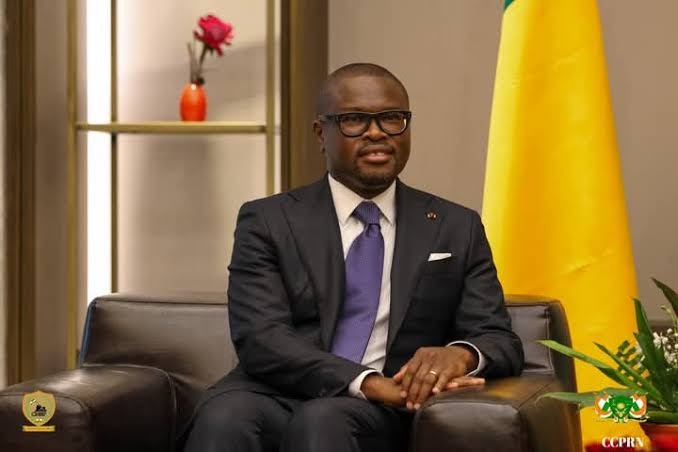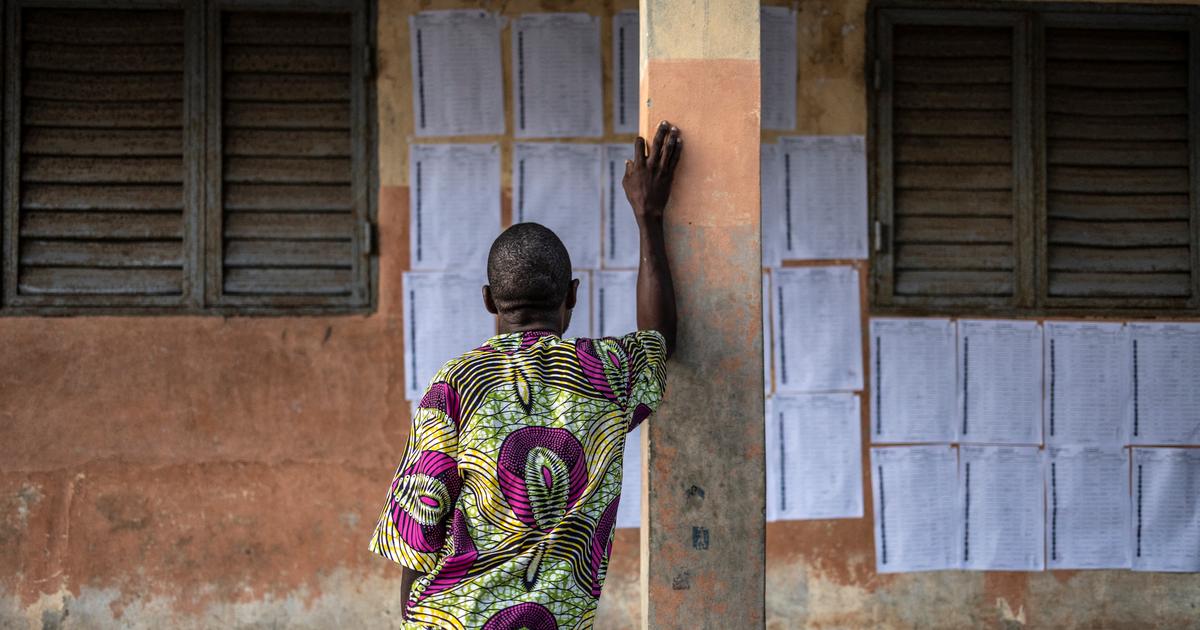
“Rigged contests”, “one-sided races”, “presidential incumbents coasting to first-round victories.” The 2025 presidential elections across Africa revealed a disturbing pattern: opposition candidates were systematically sidelined before campaigns even began. Recent cases in Djibouti and Benin—held on April 10 and 12 respectively—epitomize this trend. In the Horn of Africa nation, incumbent President Ismaïl Omar Guelleh secured a sixth term with 97.8% of the vote, while in Benin, technocrat Romuald Wadagni—handpicked successor to Patrice Talon—claimed 94% of ballots. Both victories arrived with barely a whiff of genuine competition.
In Djibouti, opposition leader Alexis Mohamed abandoned his bid, citing not only safety concerns but also what he called “the prohibitive cost of candidacy.” The financial barrier proved insurmountable for many aspirants, rendering the exercise “a mere formality,” according to political observers.
When money dictates democracy
This phenomenon has become a continental hallmark. Candidates across West and East Africa routinely face exorbitant registration fees that serve as an invisible yet impenetrable wall. In Benin, for instance, the price tag for running for president reached figures that effectively priced out all but the most entrenched political machines. The result? A ballot box where opposition voices are conspicuous by their absence.
Experts warn that these prohibitive costs aren’t just financial hurdles—they represent a calculated strategy to neutralize dissent. By inflating candidacy fees to astronomical levels, governments can eliminate challengers before a single campaign poster is printed. The practice extends beyond presidential races; legislative and municipal contests in several countries have adopted similar tactics, further constricting the political landscape.
Who bears the brunt?
- Young politicians: Emerging leaders with fresh ideas but limited war chests find themselves locked out from day one.
- Civil society activists: Those who dare challenge the status quo often lack the financial backing of established parties.
- Women candidates: Gender disparities in access to capital disproportionately affect female aspirants, compounding existing barriers.
The consequences ripple through society. With opposition voices marginalized, public discourse narrows to a monologue that excludes alternative visions. Voters, meanwhile, are presented with a stark choice: endorse the inevitable or abstain entirely. Analysts argue this erosion of competitive elections undermines democratic legitimacy, leaving citizens with little recourse to shape their nation’s future.