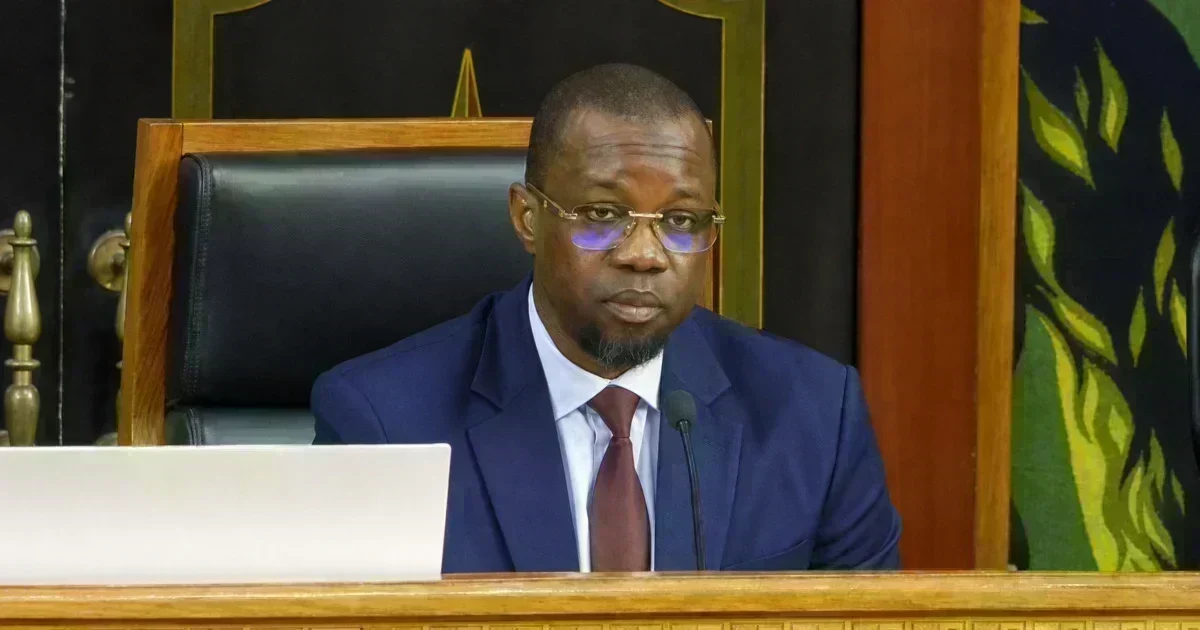
Dakar is buzzing with anticipation as lawmakers convene today for a pivotal plenary session. The focal point? A constitutional amendment bill poised to reshape the nation’s political landscape. At its core, the proposed revisions aim to rebalance power structures, modernize institutional frameworks, and redefine governance norms—potentially altering the trajectory of the 2029 presidential ambitions.
What’s driving Senegal’s constitutional overhaul?
The draft revision emerges against a backdrop of calls for deeper political reforms. Proponents argue that piecemeal adjustments fall short of addressing systemic inefficiencies. Key objectives include:
- Power rebalancing: Redistributing authority to prevent concentration in any single branch of government.
- Institutional modernization: Updating archaic governance mechanisms to align with contemporary demands.
- Governance clarity: Defining rules to curb ambiguity and enhance transparency in decision-making.
- Presidential ambitions: Clarifying eligibility criteria and succession protocols for future elections.
The timing isn’t coincidental. With the 2029 elections looming, stakeholders are evaluating how these amendments could influence the political calculus.
Expert insights: the stakes for Senegal’s democracy
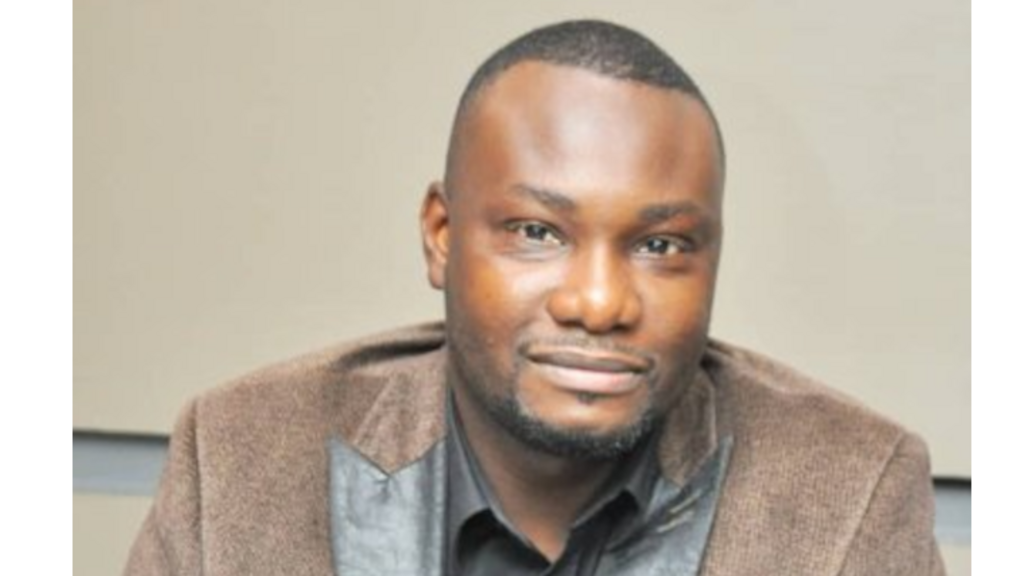
Papa Fara Diallo, a political scientist at the University of Saint-Louis, offers a critical perspective on the proposed changes. His analysis highlights the need for structural reforms to fortify Senegal’s democratic resilience amid evolving regional dynamics. The amendments, he notes, could set a precedent for how young democracies navigate future challenges.
As the National Assembly debates the bill, all eyes are on whether these revisions will deliver the promised depth of transformation—or fall short of addressing the nation’s core institutional dilemmas.