China calls for end to exploitation of natural resources as driver of eastern DRC conflict
- Sécurité
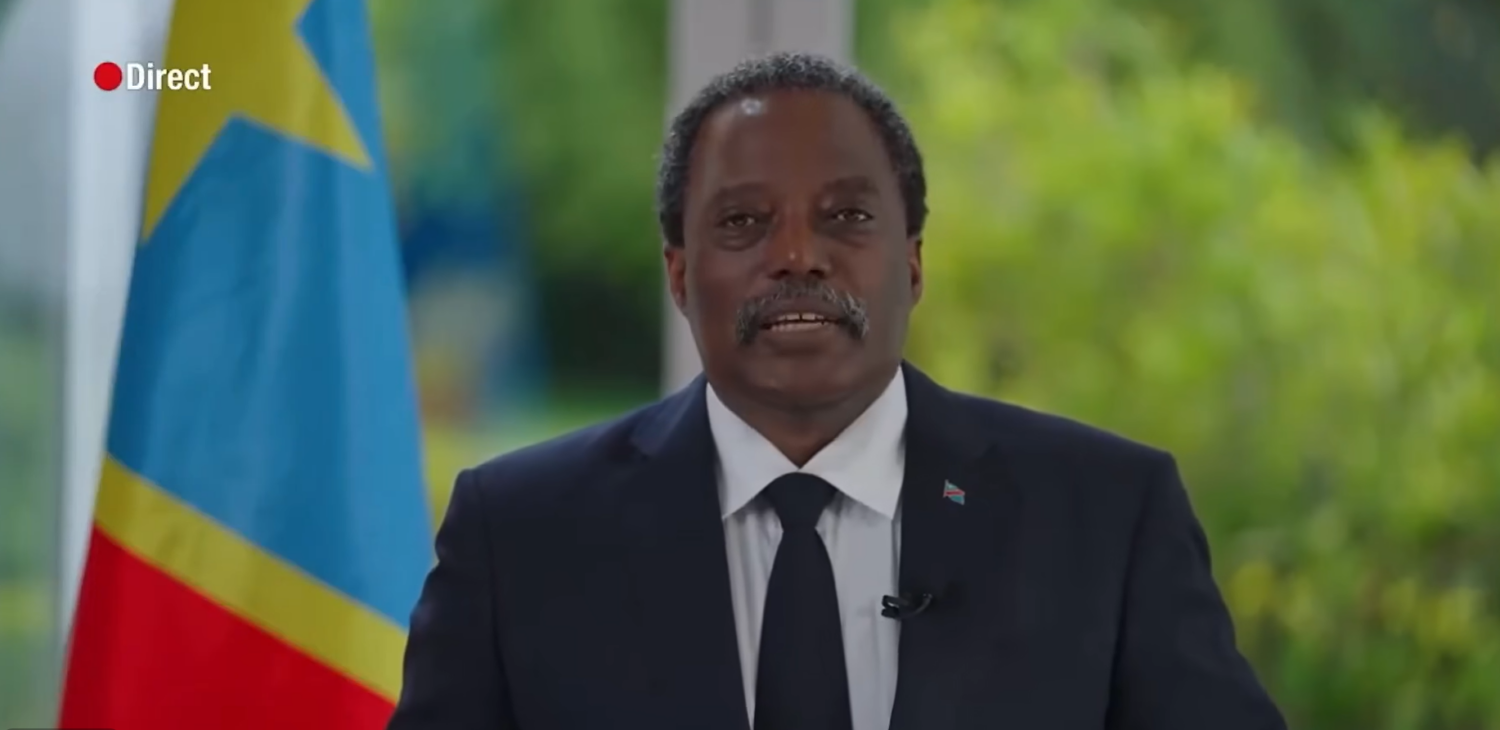
During a United Nations Security Council session, China’s Ambassador Fu Cong delivered a stark warning about the ongoing crisis in eastern Democratic Republic of Congo (DRC). The diplomat highlighted that the illicit exploitation of the region’s vast mineral wealth remains a primary driver of instability in the Great Lakes region.
The Chinese envoy emphasized that the conflict in eastern DRC has persisted for decades, with recent resurgences of Ebola outbreaks further straining an already fragile security and humanitarian landscape. Fu Cong stressed the urgent need for the international community to address the root economic causes of the crisis, stating that “the roots of the conflict must be tackled swiftly and comprehensively.”
Natural resources as a catalyst for conflict
The ambassador pointed out that while the DRC’s abundant natural resources should serve as a foundation for national development, they are instead being systematically plundered and trafficked by armed groups. These illicit activities, he noted, directly fuel the conflict that has devastated eastern provinces for over 30 years.
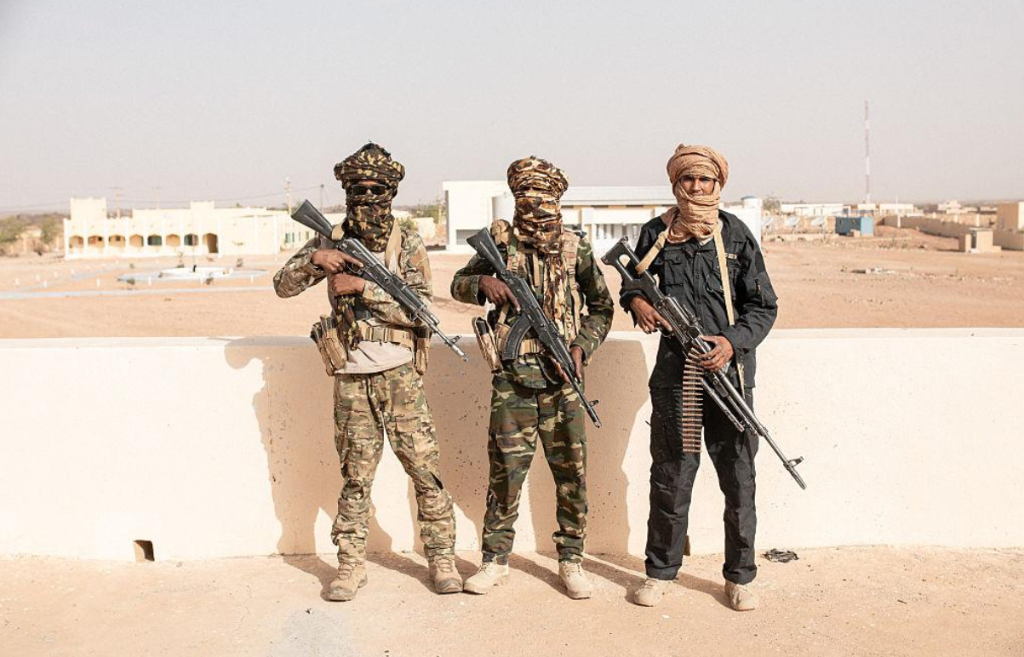
A particularly critical case is the Rubaya mining site, a strategic location controlled by armed factions including the M23. The illegal trade of minerals from this and other sites strips the Congolese state of critical tax revenues and perpetuates economic stagnation in the region. Authorities in Kinshasa have long described the conflict as an ‘economic war’, often accusing neighboring Rwanda of supporting rebel groups—a claim consistently denied by Kigali.
China’s stance on regional resource governance
Fu Cong called for a fundamental shift in how external powers engage with the DRC’s natural resource sector. He urged that ‘non-regional major powers’ refrain from treating these resources as ‘bargaining chips’ in regional disputes. Instead, he advocated for a cooperative, transparent approach that prioritizes mutual benefit and sustainable development for local populations.
The diplomat proposed strengthening support for regional initiatives aimed at improving transparency and traceability in mineral exports. He specifically called on the UN Security Council to back these efforts, ensuring that resource governance contributes to peace rather than conflict.
Diplomatic efforts and stalled progress
Efforts to resolve the crisis through diplomatic channels have faced significant hurdles. The Washington Agreement, brokered by the United States between the DRC and Rwanda, sought to address both security and economic concerns. However, its implementation has stalled, with both nations accusing each other of failing to honor commitments. Similarly, the Doha Process, an initiative under Qatari mediation aimed at fostering direct dialogue between Kinshasa and the M23, has yet to yield tangible progress, leaving the security situation largely unchanged.
As the conflict continues unabated, China’s call for a more cohesive and ethical approach to resource management underscores the complex interplay between economics and security in eastern DRC. The international community’s response to these challenges will be pivotal in determining whether the region’s vast potential can be harnessed for peace or remains mired in exploitation and instability.