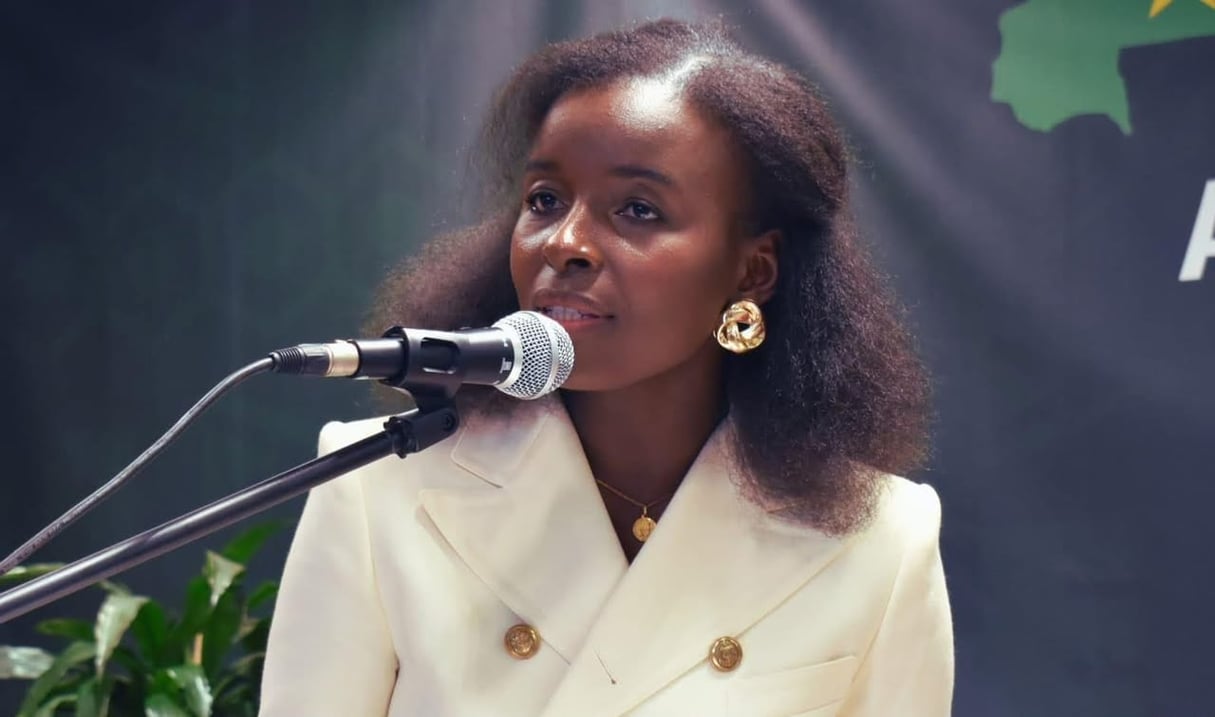
Mayra Djibrine: the Nigerien voice defying Sahel military takeovers
In an era marked by political upheaval across the Sahel, a new figure has emerged to challenge the tide of military coups. Mayra Djibrine, a Nigerien activist, is positioning herself at the forefront of opposition against the region’s ruling juntas. With a resolute stance, she embodies the growing resistance to unconstitutional power grabs that have reshaped the political landscape.
A defiant stance against unchecked military power
Mayra Djibrine’s unwavering refusal to back down has made her a symbol of civic courage. Her message is clear: “I will not retreat.” As governments in Niamey and neighboring capitals tighten their grip, she remains a vocal critic of the military’s intervention in governance. Her activism reflects broader frustrations among citizens who demand a return to democratic norms.
Born in Niger, Djibrine has long been an advocate for human rights and transparency. Her recent rise to prominence stems from her bold critique of the junta’s policies, which she argues undermine the rule of law and exacerbate insecurity in the region. Through public statements and grassroots mobilization, she is rallying Nigeriens—and others across the Sahel—to demand accountability.
The roots of resistance in the Sahel
The Sahel has witnessed a wave of military takeovers in recent years, with Niger, Burkina Faso, and Mali among the countries affected. Djibrine’s activism taps into a shared sentiment of disillusionment among citizens who feel abandoned by their leaders. The juntas, she contends, have failed to deliver on promises of stability and prosperity, instead plunging their nations deeper into crisis.
Her critique extends beyond domestic politics. Djibrine highlights the broader implications of Sahelian instability, including the rise of extremist groups and the strain on humanitarian resources. By challenging the military’s narrative, she is calling for a renewed focus on civilian governance and regional cooperation to address these challenges.
Challenges and the road ahead
Despite the risks, Djibrine remains undeterred. Her advocacy has drawn both support and backlash, reflecting the polarizing nature of the debate over military rule. Supporters praise her courage, while detractors dismiss her as a destabilizing force. Yet, she insists that silence is not an option in the face of injustice.
The path forward is fraught with obstacles. Djibrine’s ability to mobilize public opinion will depend on her ability to navigate a complex political terrain, where dissent is often met with repression. Yet, her defiance offers a glimmer of hope for those who believe in the power of collective action to restore democratic governance.
A call to action for the Sahel
Mayra Djibrine’s story is more than a personal struggle; it is a reflection of the broader fight for democracy in the Sahel. Her message resonates with citizens across the region who are tired of military rule and yearn for a return to constitutional order. As juntas consolidate power, her voice serves as a reminder that resistance is not futile—and that the fight for justice is far from over.
For those who believe in the power of civic engagement, Djibrine’s defiance is a rallying cry. It challenges the status quo and demands that leaders prioritize the will of the people over the ambitions of the military. Whether her efforts will translate into tangible change remains uncertain, but one thing is clear: the struggle for the Sahel’s future is far from settled.