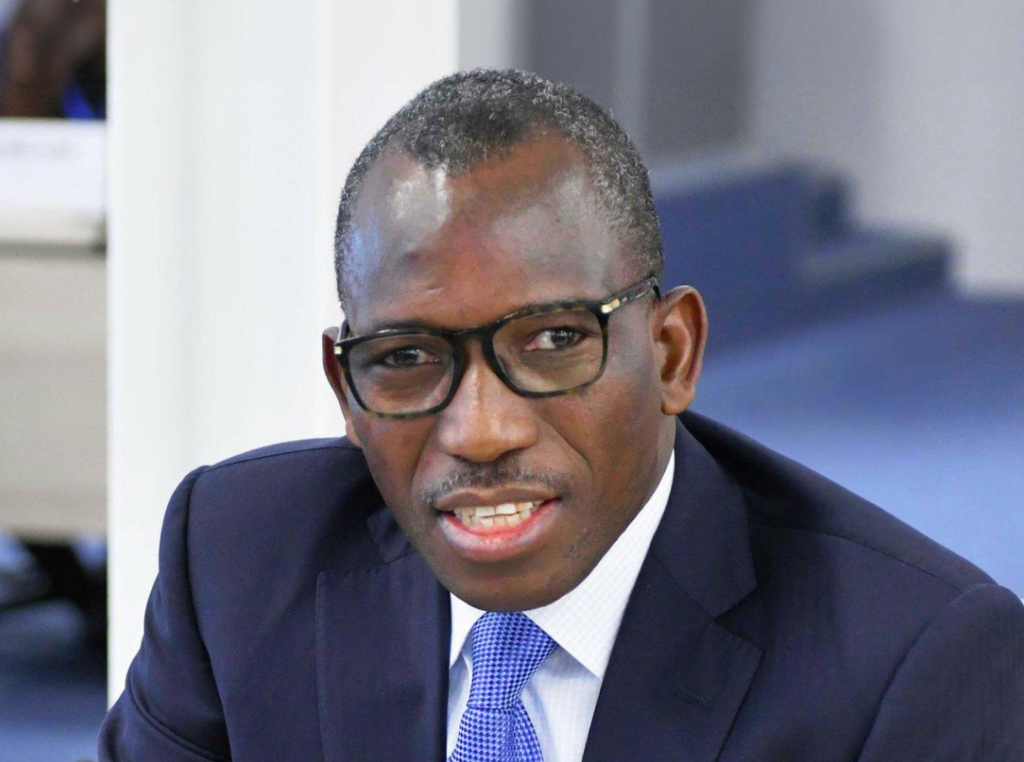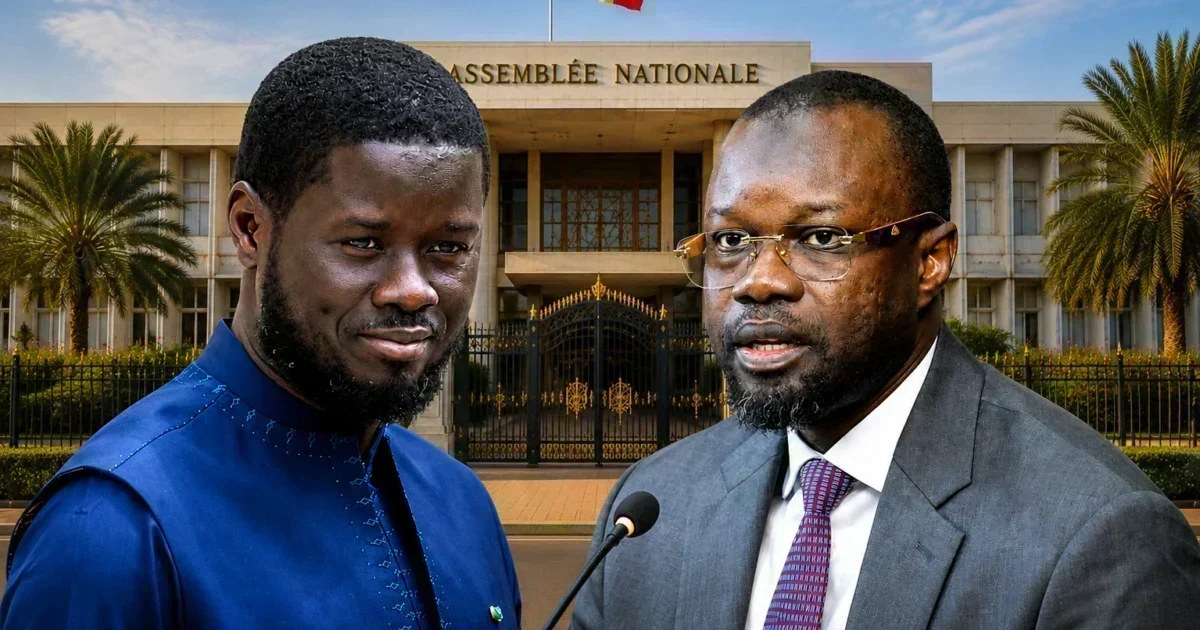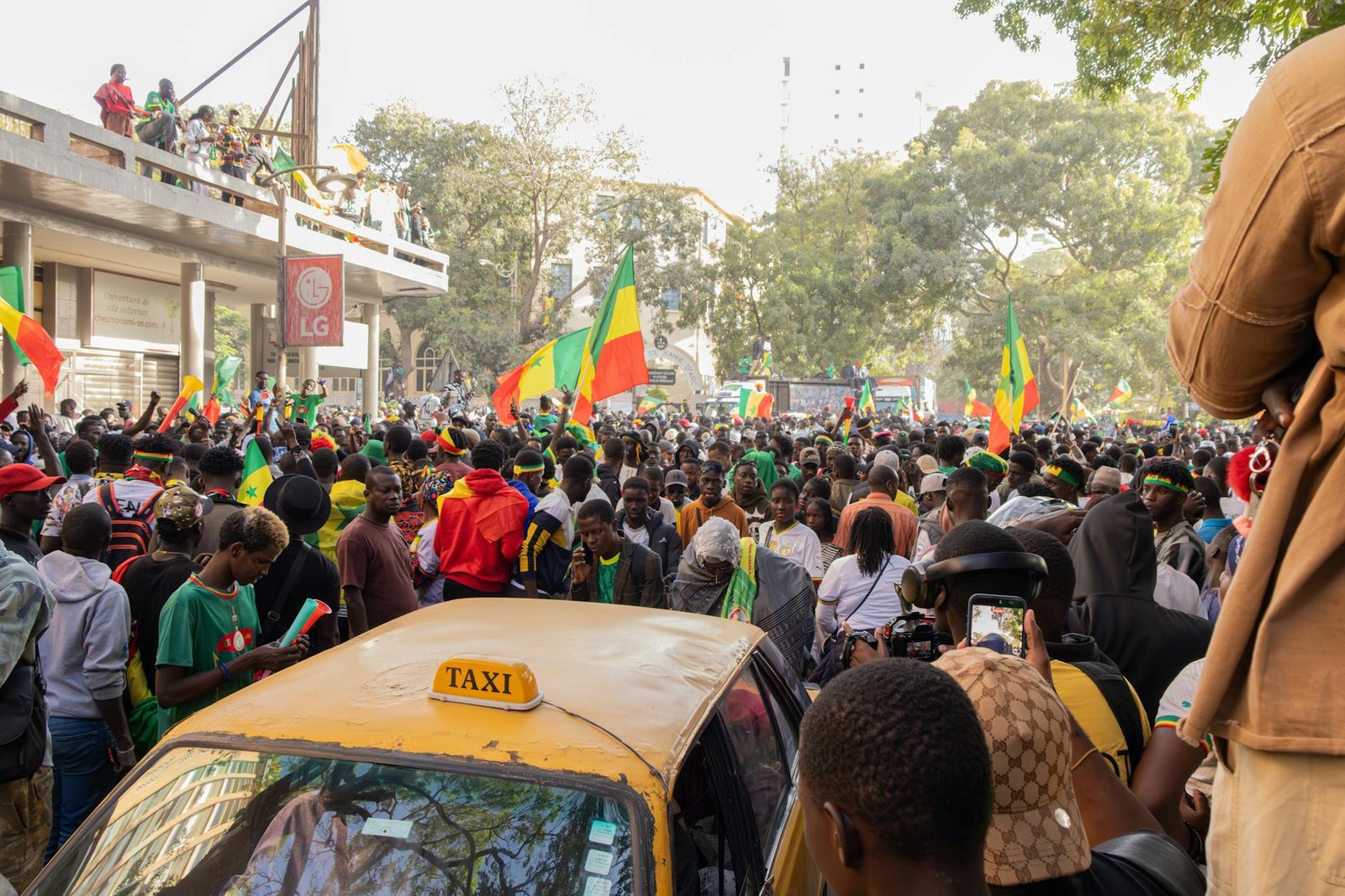
Senegal is once again at the center of a heated political debate following the enactment of a revised electoral code. Tafsir Thioye, an independent lawmaker known for his sharp critiques of the ruling establishment, held a press conference to dissect the newly signed legislation. His intervention lands at a pivotal moment, as political circles in Dakar dissect the implications of the changes ahead of potential local and legislative elections in the coming months.
Opposition voices dissatisfaction with electoral reforms
The amendments to the electoral framework, pushed through by the parliamentary majority, have sparked sharp reactions. Critics, including Thioye, argue that the revisions tilt the electoral playing field in favor of the ruling coalition by reshaping dispute resolution mechanisms and eligibility criteria. The enactment of the law, the final step in the legislative process, has been interpreted by some opposition factions as a deliberate departure from the consensus-driven governance that has long characterized Senegal’s political culture.
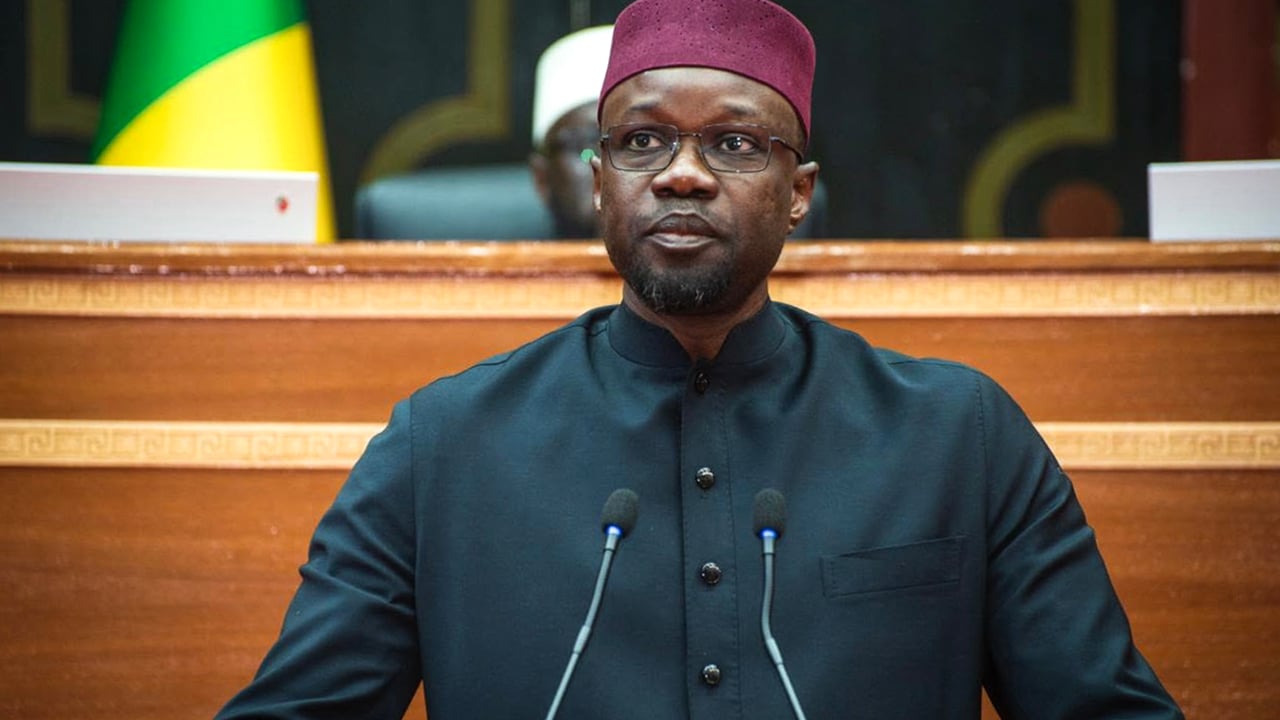
Thioye, who remains outside the two dominant parliamentary blocs, occupies a unique position. Neither fully aligned with traditional opposition groups nor aligned with the presidential majority, he positions himself as an independent voice. His press briefing was designed to leverage this independence to deliver a detailed technical and political critique of the new law.
An independent parliamentarian challenges the status quo
Thioye’s presence in the fourteenth legislature reflects a subtle but notable shift in Senegal’s parliamentary landscape. Independent lawmakers, often sidelined from major coalitions, play a crucial role in shaping debates on sensitive issues. In the case of electoral reforms, their influence is magnified given the high stakes involved in ensuring fair and transparent elections.
By addressing the media directly, Thioye aims to elevate the discussion beyond the confines of the National Assembly. This approach is familiar in Senegal, where print outlets, private radio stations, and digital platforms serve as vital channels for influencing political discourse. Whether his intervention will galvanize other lawmakers to join forces—or trigger legal challenges before the Constitutional Council—remains an open question.
Institutional credibility at stake in Dakar
The broader implications of this electoral reform extend beyond the immediate political fallout. Senegal, long regarded as a democratic anchor in West Africa, now faces scrutiny over its ability to navigate legislative changes without fracturing its institutional stability. The outcome of this debate could significantly impact the country’s international standing, particularly within the Economic Community of West African States (ECOWAS) and among multilateral donors.
Diplomatic and economic observers are closely monitoring these developments. Prolonged uncertainty over Senegal’s institutional trajectory risks undermining investor confidence, particularly as Dakar seeks to solidify its role as a regional hub. Key sectors such as hydrocarbons, telecommunications, and infrastructure development hinge on a stable and predictable political environment. The current controversy is thus part of a larger equation where political stability and economic growth intersect.
The independent lawmaker’s public intervention could either spark a more organized pushback against the reforms or fade into obscurity if it fails to gain traction. The coming weeks will reveal whether parliamentary dissent translates into street protests, legal challenges, or electoral consequences.