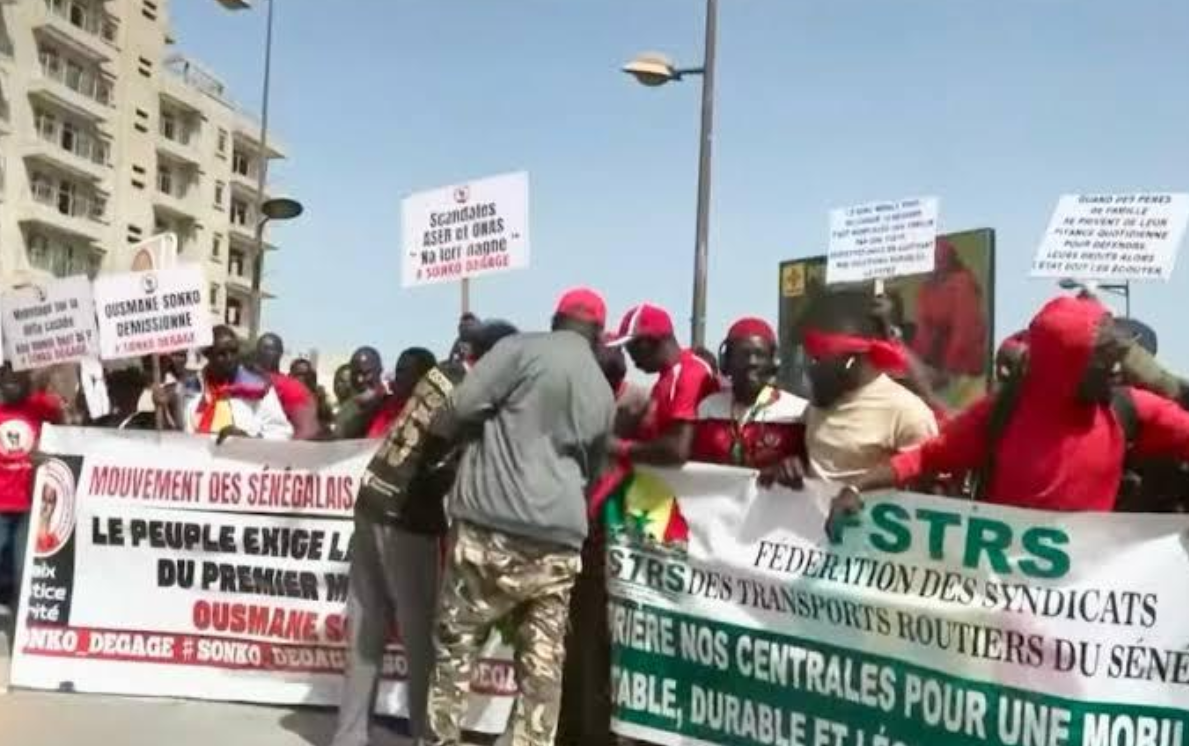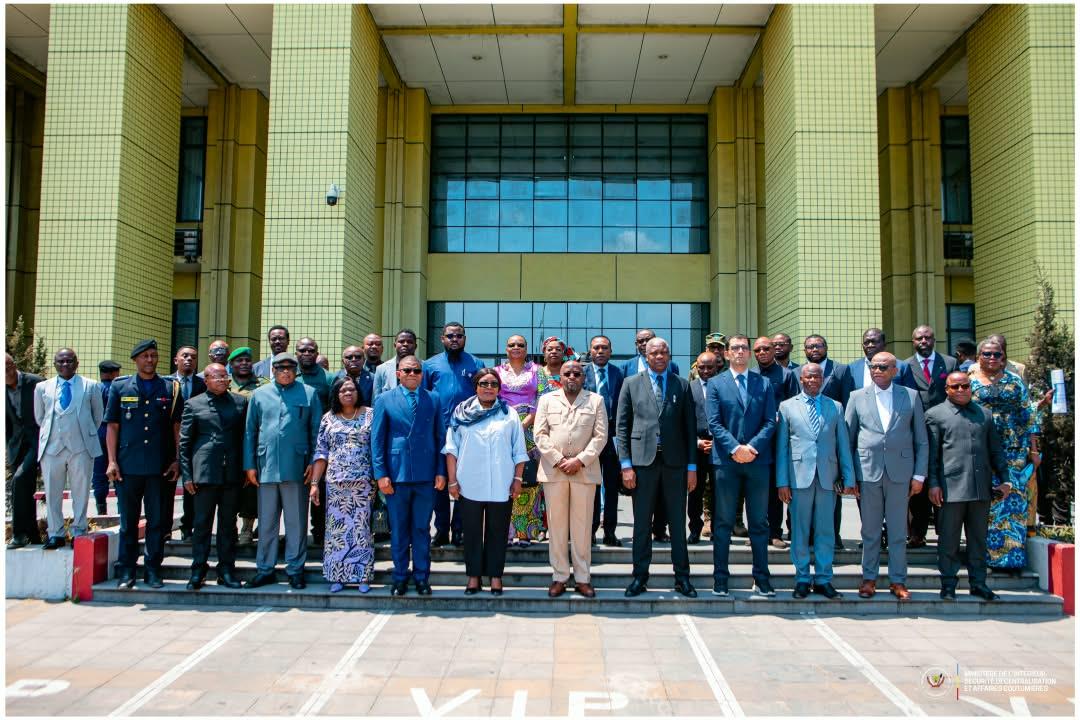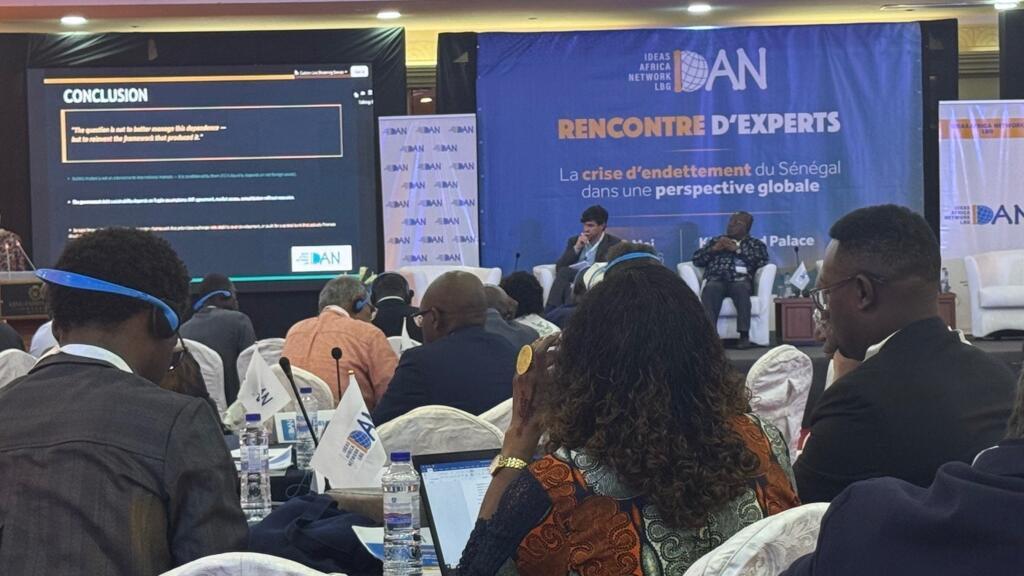
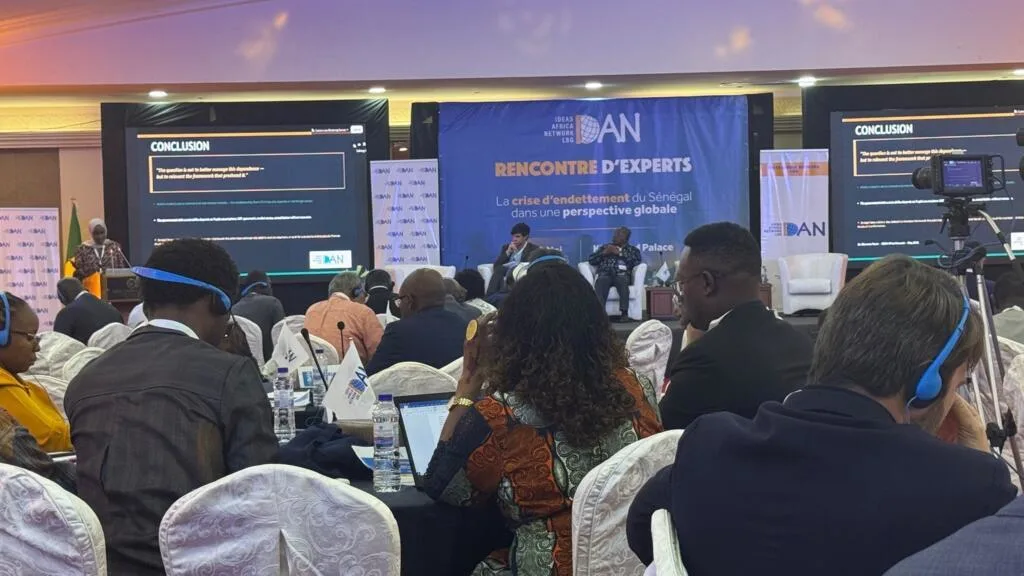
A recent conference held in Dakar, focusing on Sénégal’s pressing debt crisis, explored potential alternatives to traditional solutions offered by the International Monetary Fund (FMI). While Prime Minister Ousmane Sonko was the patron of the event, he was unable to attend the opening due to illness, as confirmed by Justice Minister Yacine Fall.
Representing the ruling Pastef party’s parliamentary group, Ayib Daffé addressed the conference. He underscored the critical need to expand perspectives and move beyond conventional thinking in addressing the nation’s financial challenges. This statement implicitly challenged the FMI’s proposal for debt restructuring, which involves renegotiating loan terms when a country struggles to repay. Dakar has notably rejected this particular FMI option.
The urgent need for debt alternatives
Economists gathered at the conference unanimously agreed that Sénégal’s current external debt burden is unsustainable, a position that contrasts with earlier assertions from government authorities. They stressed the immediate necessity for viable solutions, as the country’s revenue is insufficient to cover its obligations to foreign creditors. Economist Souleymane Bah elaborated on this predicament:
“The State’s current revenues are insufficient to cover both principal and interest payments,” Bah explained. “Typically, the approach to external debt has been to borrow more to repay existing loans. However, with interest rates on a continuous upward trend, this is clearly not a sustainable solution. We must identify other alternatives.”
Exploring these alternative solutions was the primary objective of the conference, organized by the Ideas Africa Network think tank. The network holds the view that the FMI’s standard approaches are inadequate.
Ndongo Samba Sylla, an economist and researcher with Ideas Africa Network, criticized the FMI’s methodology: “The FMI’s approach is fundamentally at odds with economic transformation. It is a purely accounting-based, pro-creditor stance. The FMI’s priority is to lend money so that a country can signal its ability to borrow again and repay creditors, rather than facilitating investment in long-term economic transformation.”
Among the innovative pathways discussed were comprehensive monetary system reform, a potential withdrawal from the Franc CFA currency zone, and advocating for the cancellation of a portion of the debt deemed “illegitimate.” This illegitimate debt refers to loans reportedly contracted opaquely by the previous administration without proper declaration.
However, this concerted effort to seek non-FMI solutions in Dakar presented a potential contradiction within the current government. Concurrently with the conference, President Bassirou Diomaye Faye was in Nairobi, Kenya, engaging in discussions with FMI Director Kristalina Georgieva. No significant breakthroughs from this meeting have been reported to date.