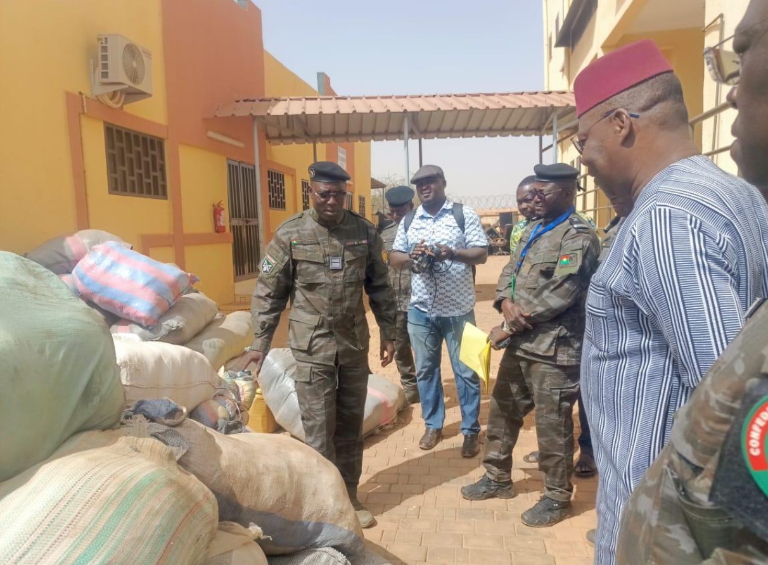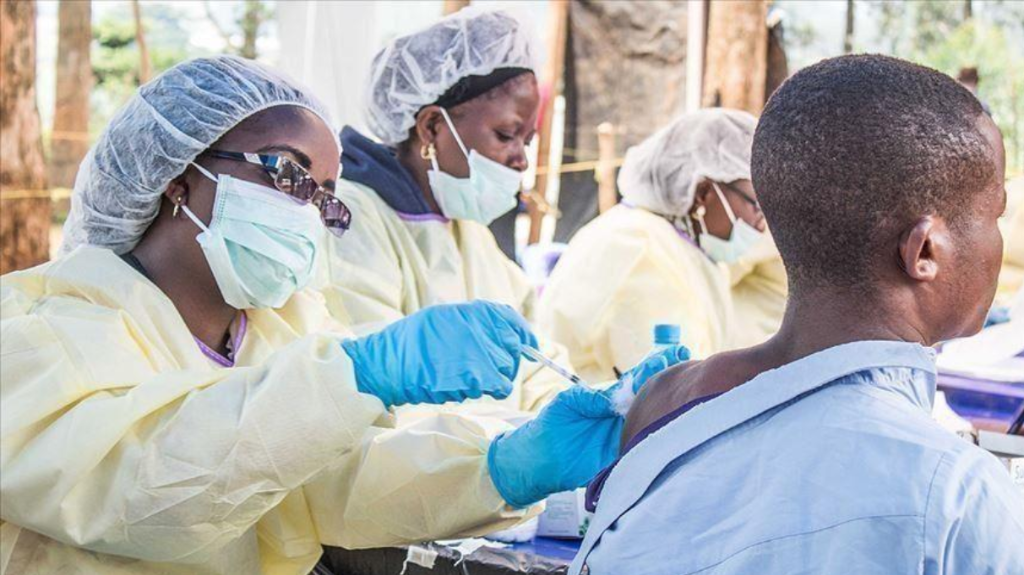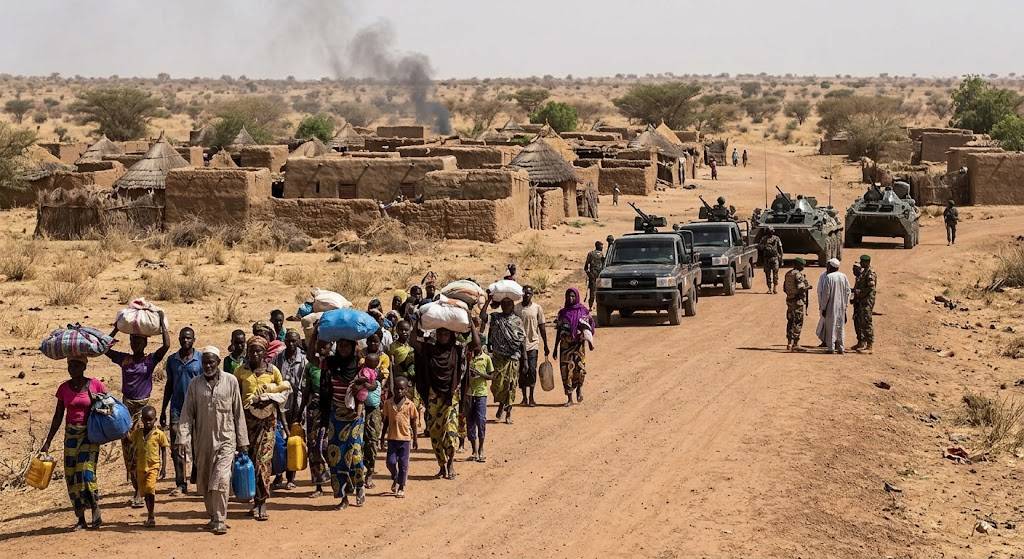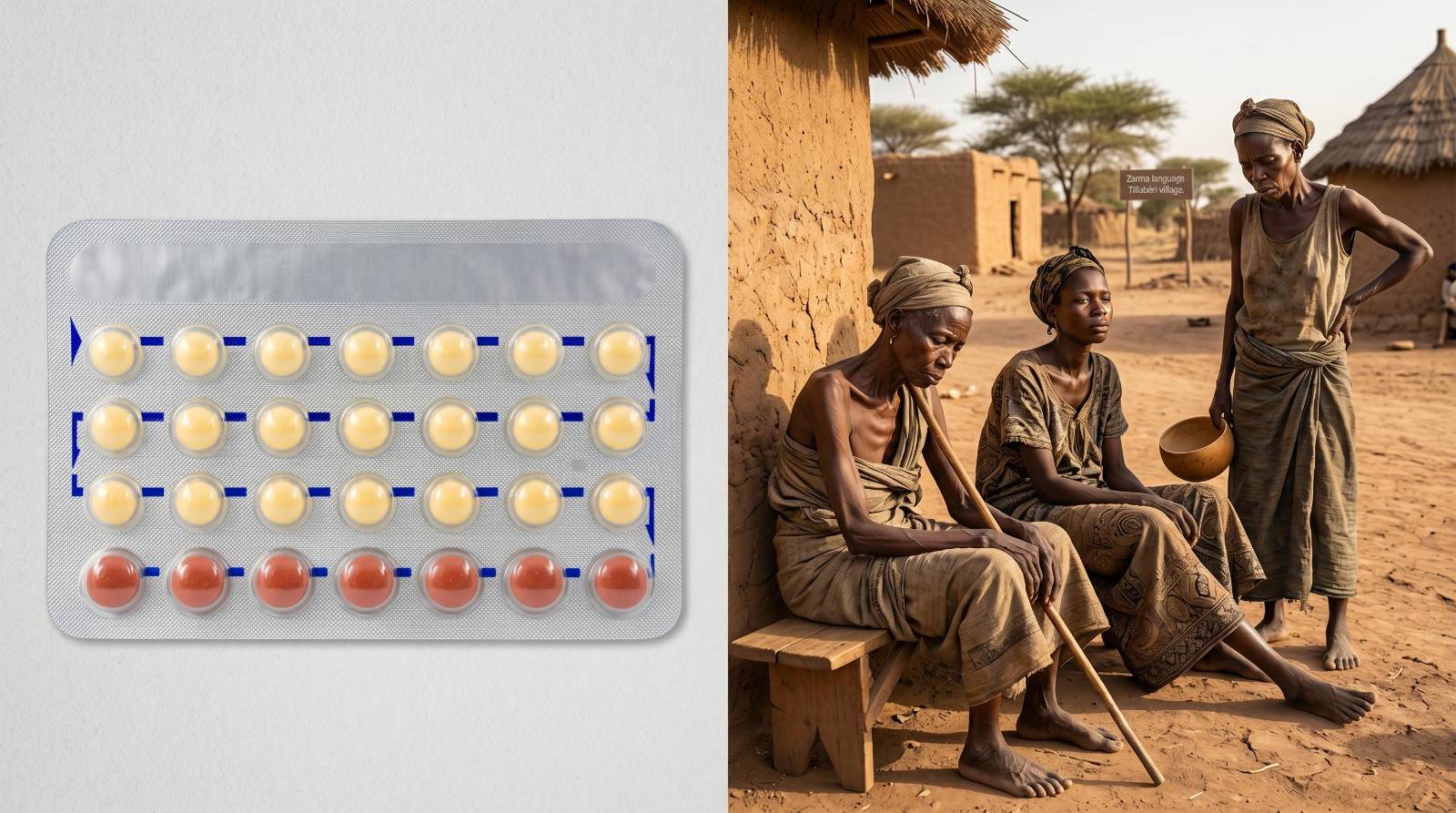
As Niger’s capital, Niamey, highlights the strides made in women’s empowerment, a contrasting narrative emerges from the embattled region of Tillabéri. While the Reach Married Adolescent (RMA) model is touted as a groundbreaking social initiative, its rollout in conflict-ridden areas has sparked serious health and security concerns, turning what was meant to be a humanitarian lifeline into a potential hazard for local communities.
The overlooked risks of family planning in crisis zones
One of the most glaring blind spots in the aggressive push for contraceptive access in the Liptako-Gourma region is the dire nutritional deficits faced by women. In areas plagued by terrorism, supply chains have collapsed and farmlands lie barren. Introducing hormonal birth control to women suffering from severe malnutrition is fraught with danger. Without consistent medical supervision—a near impossibility when health centers are destroyed or abandoned—these interventions can worsen underlying conditions, further weakening bodies already ravaged by hunger and the relentless stress of war. Ironically, what was intended to protect could instead undermine their physical well-being.
Healthcare caught in the crossfire of ideology
In a region where armed groups enforce their own rigid social codes, initiatives promoting couple-based dialogue and family planning are seen by some as an ideological provocation. By focusing on married adolescents, these programs challenge traditional family structures already strained by conflict. While framed as empowerment, these efforts expose women to heightened retaliation from insurgents who view them as vehicles of foreign influence. The threat is no longer just medical—it has become a security nightmare, turning women into targets simply for participating in programs deemed subversive.
Empty promises in the “Triangle of Death”
Official reports boast of thousands of home visits, but what happens when complications arise in Tillabéri’s most volatile zones? Adverse effects like severe bleeding or other dangerous side effects become death sentences when movement is restricted by roadside bombs or militant checkpoints. What was supposed to be a simple health solution becomes a deadly gamble in an environment where even emergency care is out of reach.
Ultimately, while initiatives like J-Matassa may look promising on paper, the reality in Tillabéri tells a different story. Health cannot be treated in isolation from food security and physical safety. Imposing societal changes through health interventions in a war-torn environment may do more harm than good, turning a supposed remedy into a risk no community can afford.