Senegal’s debt strategy: Dakar explores alternatives to IMF support
Senegal’s rising debt levels have once again thrust the nation’s fiscal challenges into the spotlight. In Dakar, policymakers and economic experts are actively exploring financing and restructuring options beyond conventional reliance on the International Monetary Fund, amid tight budgetary constraints and urgent need for economic rebound.
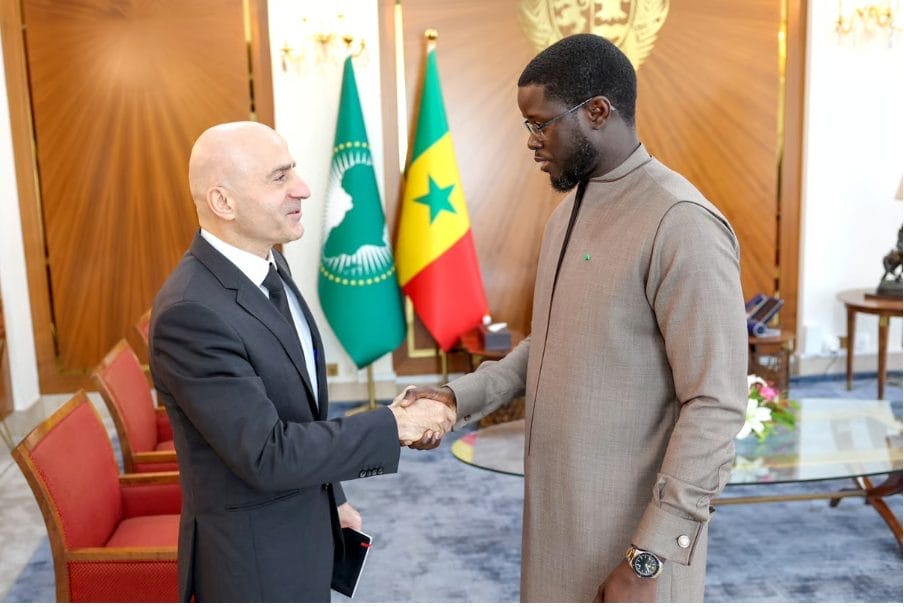
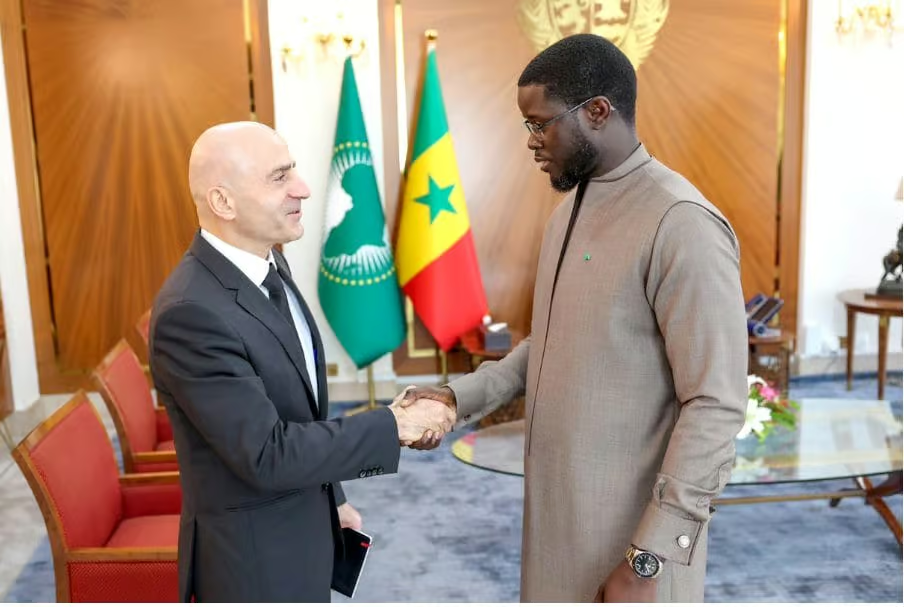 President Bassirou Diomaye Faye meets Edward Gemayel, IMF mission chief for Senegal in Dakar, August 28, 2025 © DR
The deliberations come as Senegal seeks to safeguard its financial maneuverability while maintaining market confidence, regional partnerships, and investor trust. As a member of the West African Economic and Monetary Union (UEMOA), Senegal operates within a shared monetary framework where debt sustainability and fiscal discipline are closely monitored across the subregion, guided by directives from ECOWAS, the African Union, and the African Development Bank.
Exploring debt relief pathways for Senegal
The discussions center on diversifying funding sources to ease debt burdens. Key proposals include:
- Increased regional market engagement: Leveraging the UEMOA regional bond market to access more favorable financing terms.
- Domestic resource mobilization: Enhancing the effectiveness of local savings and investment channels to reduce reliance on external borrowing.
- Themed bonds and concessional financing: Expanding the issuance of purpose-driven sovereign bonds and tapping into low-interest loans to minimize debt servicing costs.
- Revenue enhancement without stifling growth: Strengthening tax collection mechanisms and broadening the tax base while avoiding measures that could dampen economic activity.
Economic analysts emphasize the importance of improving public financial transparency and prioritizing strategic investments. In many African economies, escalating debt repayments have diverted resources from critical sectors such as infrastructure, education, and healthcare. Senegal’s situation is being closely watched across the continent, as it reflects a broader challenge: how African nations can restore liquidity and fiscal space without over-reliance on multilateral assistance programs.
Balancing fiscal responsibility with development goals
The debate also highlights the delicate balance between debt sustainability and development financing. While fiscal restraint is necessary to maintain macroeconomic stability, excessive austerity could undermine growth prospects and social progress. The government is weighing options that allow for gradual adjustment, protecting households and businesses from harsh economic shocks while ensuring long-term debt viability.
As Senegal charts its course forward, the outcomes of these deliberations could set a precedent for other African nations grappling with similar debt dynamics. The push for alternative financing models signals a growing desire for economic sovereignty and innovative fiscal strategies in the region.