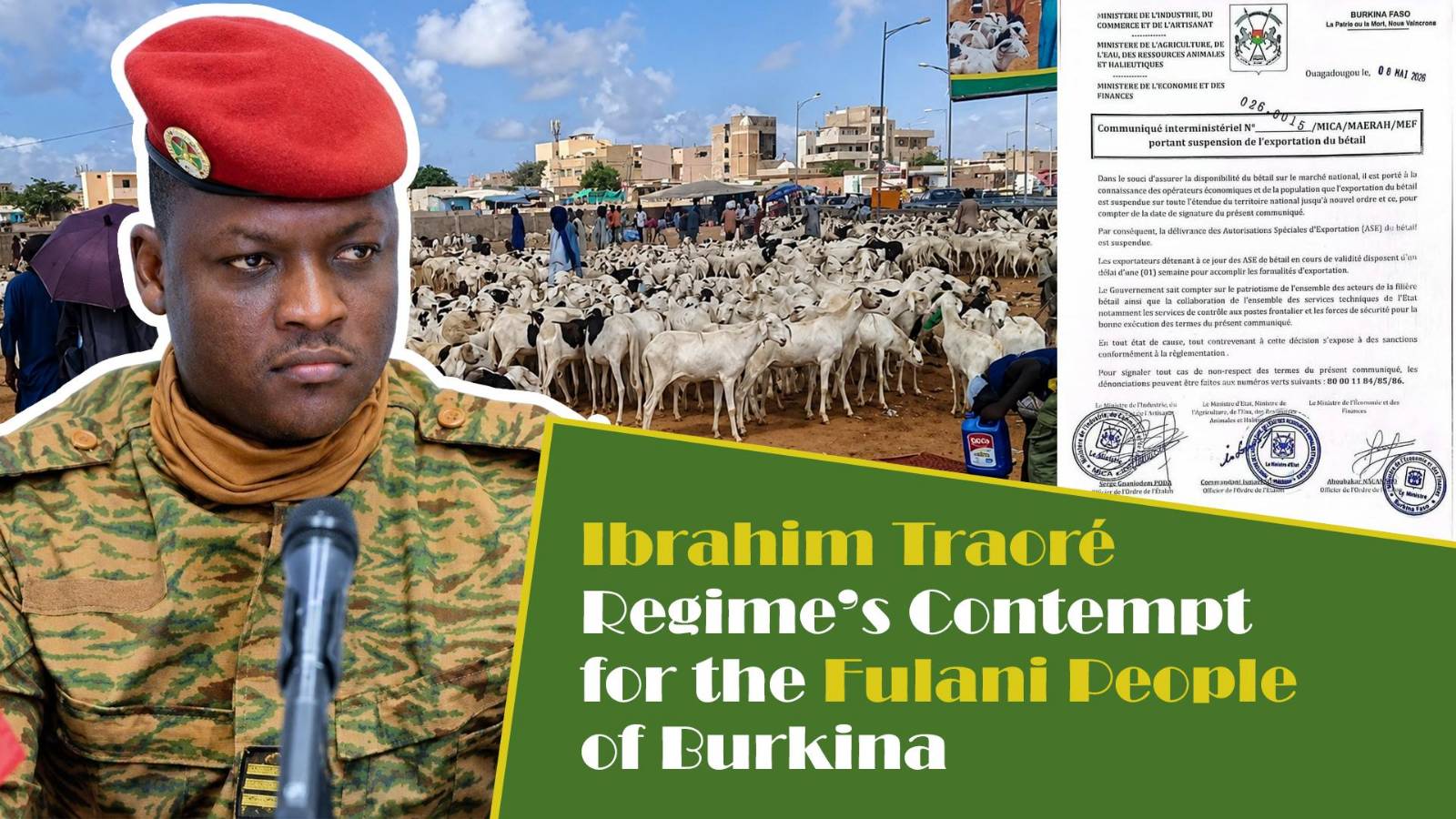
Escalating tensions as pastoralists face dual assault
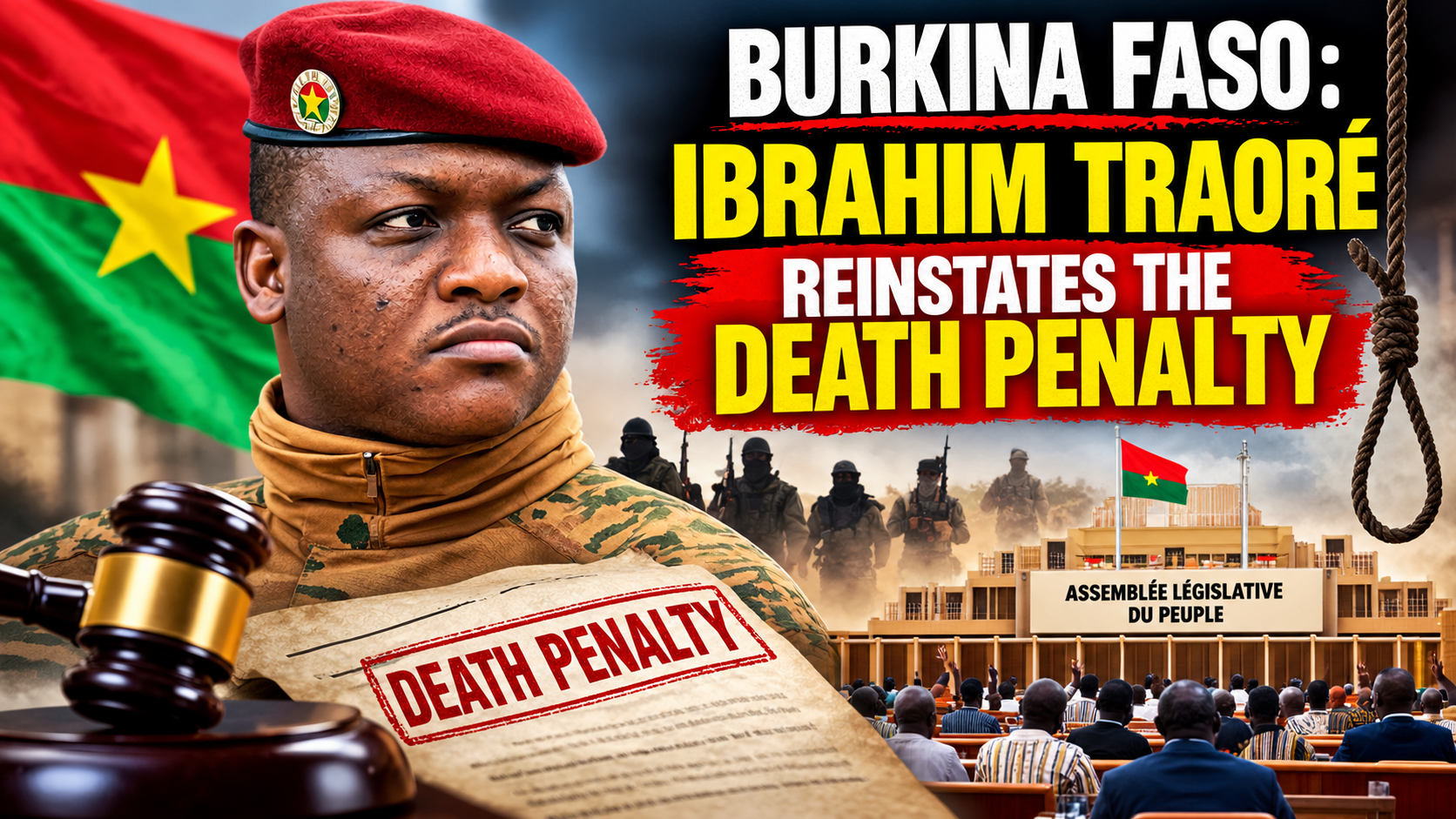
The Burkina Faso of today is a nation stretched to its limits. While military operations against armed groups intensify across the Sahel, a widening rift forms between the transitional government led by Captain Ibrahim Traoré and the country’s Fulani communities. What began as security operations now appears to be morphing into a targeted campaign of repression, with mounting accusations of military abuses and economic strangulation.
Allegations of systematic brutality
The Fulani, a historically pastoral people, have become the focal point of a disturbing shift in state policy. Since the September 2022 coup that brought Traoré to power, civilian auxiliaries known as the Volontaires pour la Défense de la Patrie (VDP) have been deployed alongside national forces. However, reports from affected regions—particularly in the north—tell a different story.
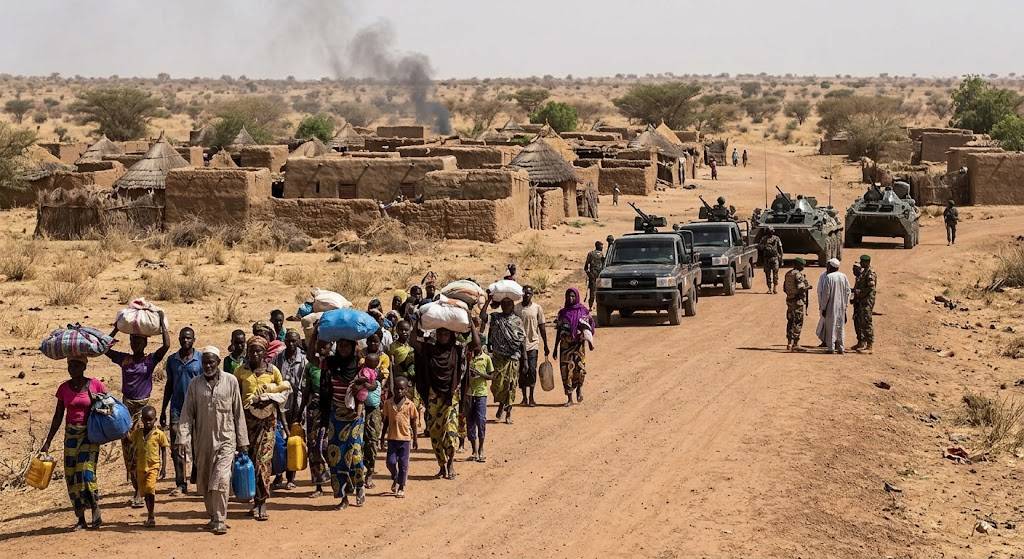
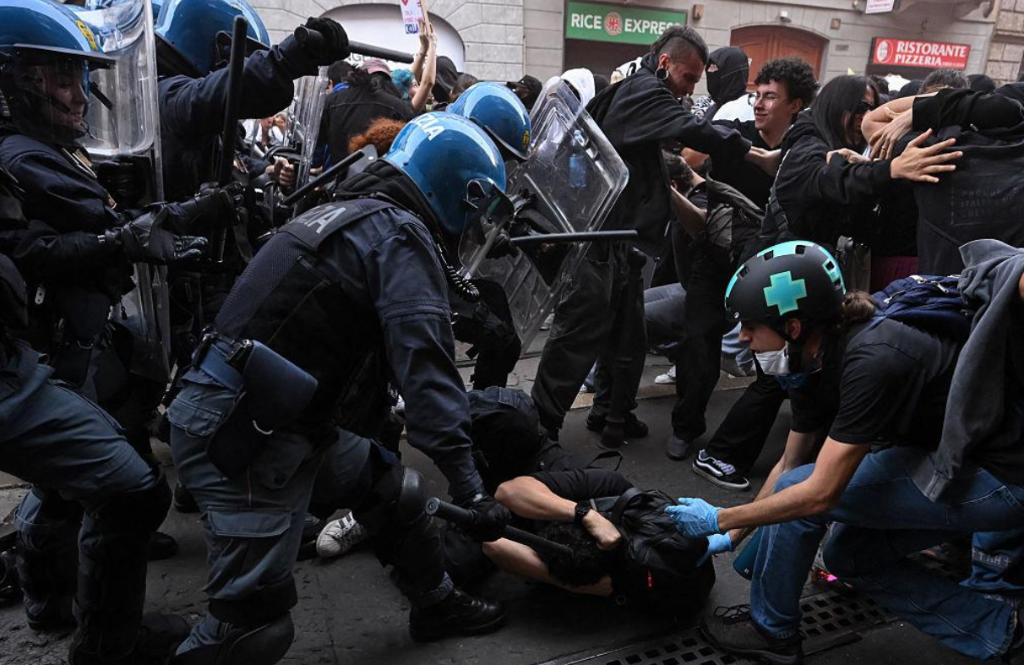
Witness accounts and local testimonies describe villages reduced to ashes, livestock slaughtered, and civilians caught in crossfire that no longer seems accidental. Fulani leaders argue that these are not collateral damages but evidence of a deliberate strategy: to suppress an entire ethnic group under the pretext of counterterrorism. The Fulani, long wrongly conflated with armed insurgents due to their mobile lifestyle, now find themselves trapped between armed factions and a state increasingly hostile to their survival.
Economic strangulation through cattle trade ban
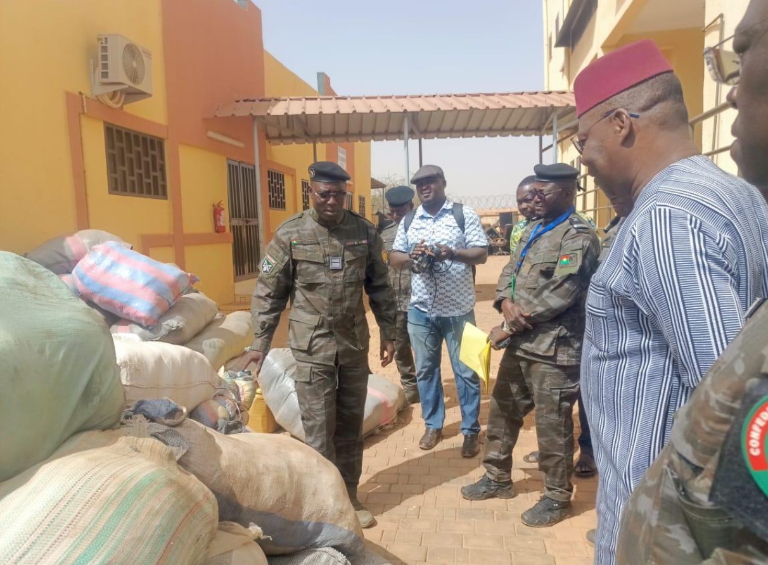
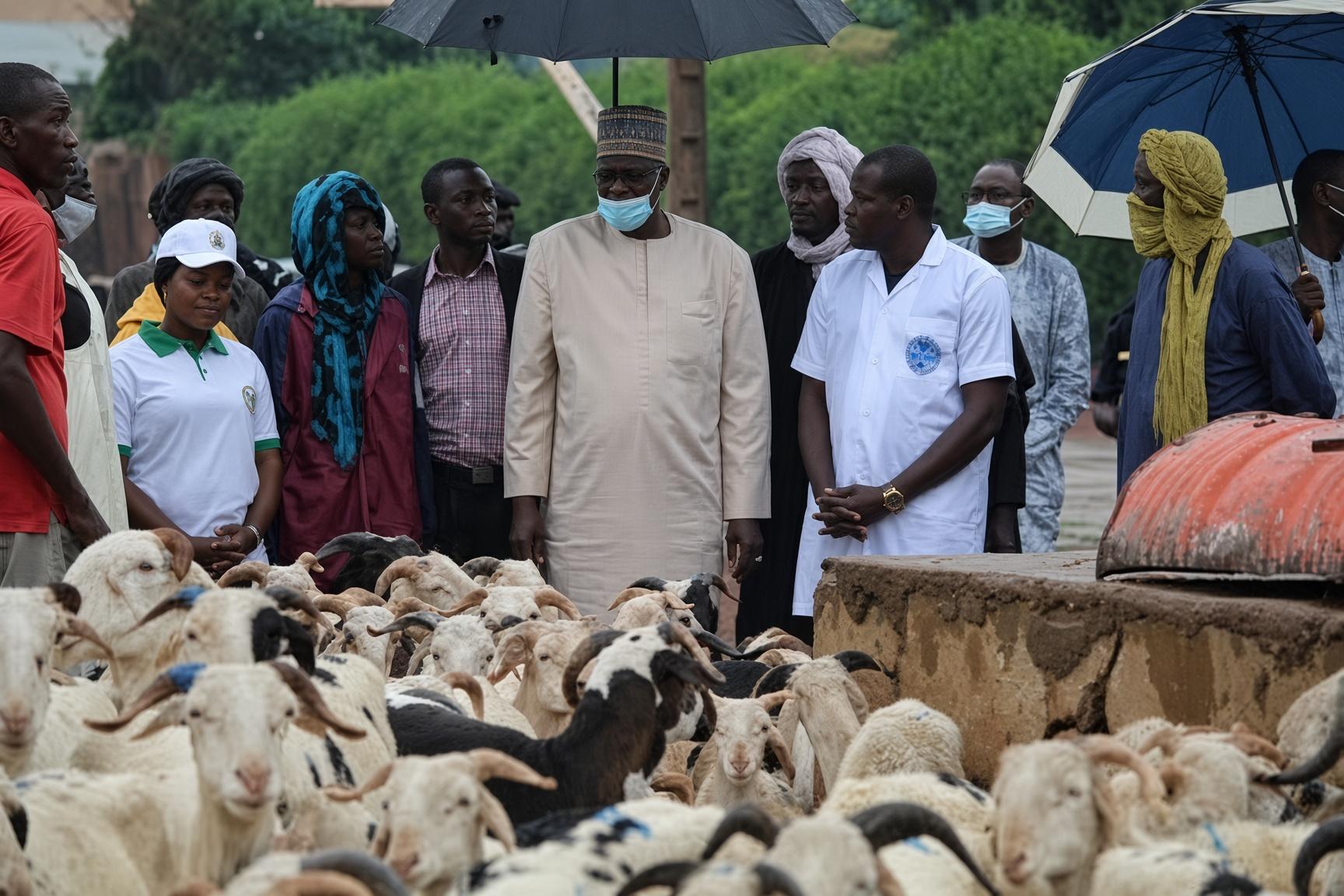
The latest flashpoint emerged not from the battlefield, but from Ouagadougou’s decree restricting cattle exports to Côte d’Ivoire—a move that has sent shockwaves through the Fulani economy. For generations, the transhumance trade linking Burkina Faso to its southern neighbor has been the backbone of pastoral livelihoods. By severing this vital commercial artery, the government has not only disrupted a centuries-old tradition but pushed thousands of Fulani families into destitution.
Consequences are immediate and devastating:
- Financial ruin: pastoral households lose their primary source of income, making it impossible to pay school fees, purchase medicine, or sustain daily needs.
- Social collapse: rising poverty fuels malnutrition, child labor, and forced migration among pastoralists.
- Regional instability: the ban disrupts long-standing trade corridors within the Economic Community of West African States (ECOWAS), threatening food security across borders.
An unfolding crisis of identity and justice
Analysts and civil society figures warn that Ibrahim Traoré’s policies are no longer framed merely as security measures. They see a calculated effort to weaken and possibly erase Fulani influence from Burkina Faso’s social fabric. The absence of independent investigations into reported massacres, coupled with inflammatory rhetoric from the regime, only deepens fears of state-sponsored ethnic targeting.
Once celebrated for its ethnic harmony, Burkina Faso now faces a defining challenge: can it reconcile its national unity with policies that risk fracturing its social cohesion? Voices from within and beyond the country’s borders are raising alarms.
“Counterterrorism cannot be waged by creating new injustices. Targeting a community does not defeat terrorism—it breeds future grievances and fuels cycles of revenge.” — Security analyst specializing in the Sahel.
As the voices of Burkina Faso’s Fulani grow louder, the international community and regional bodies face a moral and strategic imperative: to act before a humanitarian and security crisis spirals beyond control in the heart of the Sahel.