In Dakar, economists, policymakers, and financial experts are locked in a vigorous discussion about Senegal’s mounting debt burden. The focal point? A critical reassessment of the country’s economic strategy, particularly in response to stringent International Monetary Fund (IMF) policies that many argue have exacerbated the crisis.
This two-day conference, titled « Debt crisis in Senegal: sustainable and progressive solutions beyond IMF austerity », has drawn regional thought leaders, academics, and former government officials. The event underscores a growing consensus: traditional debt management approaches are failing Senegal, and alternative models must be explored.
Can the IMF be part of the solution—or is it the root of the problem?
Ndongo Samba Sylla, an outspoken economist and regional director of the International Development Economics Associates (Ideas), challenges the IMF’s role in Senegal’s debt dilemma. He contends that the Fund’s policies have not only failed to resolve the crisis but have actively deepened it.
« The IMF is not the solution—it is part of the problem. Its frameworks perpetuate external debt traps, often serving geopolitical interests rather than economic recovery. The most indebted nations are frequently those aligned with Western powers, reinforcing a cycle of dependency.
For Senegal, IMF-backed austerity measures have stifled growth, making debt sustainability even more elusive. »
Regional solidarity vs. isolated policies: which path forward?
While Sylla points to the CFA franc as a structural obstacle, Alioune Tine, founder of the Afrikajom Center, argues that debt is fundamentally a political issue. His stance? Collective action among African nations is the only viable path to meaningful reform.
« Debt cannot be addressed in silos. African countries must unite to challenge unfair austerity demands that suffocate our economies. Only through solidarity can we build leverage against exploitative financial systems. »
Senegal’s debt exceeds 130% of GDP—what’s next?
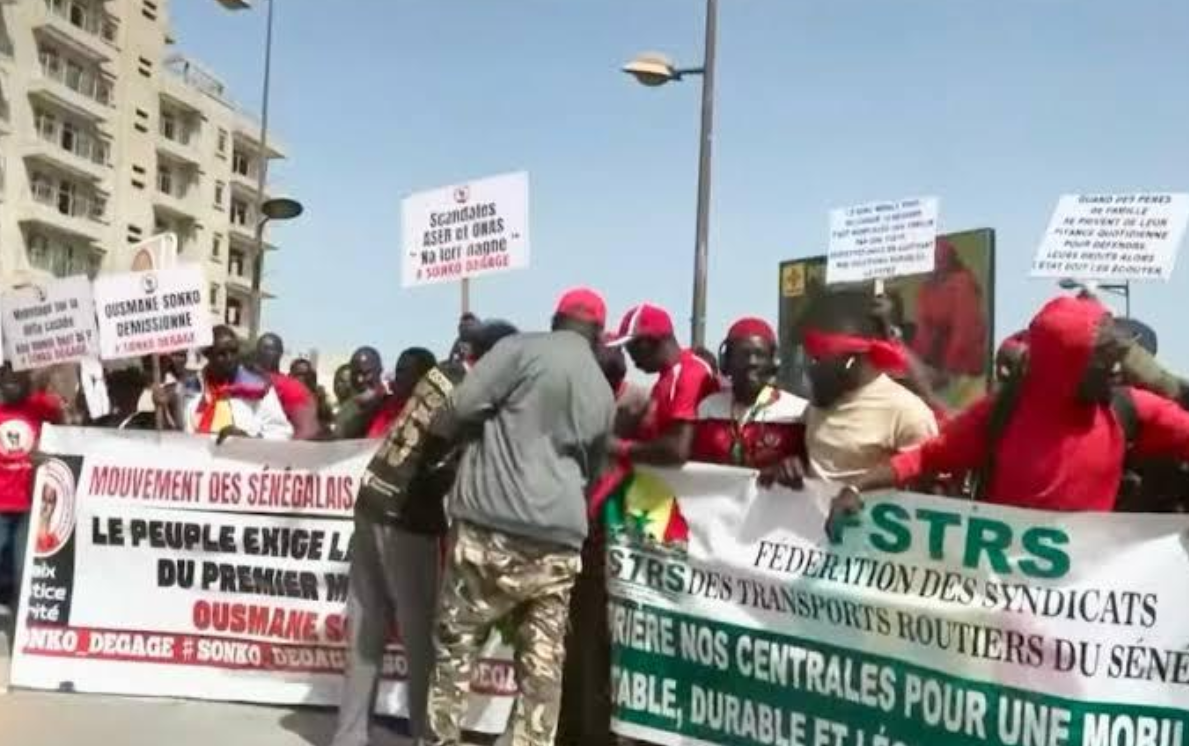
In late 2024, Prime Minister Ousmane Sonko exposed hidden debts and financial irregularities inherited from the previous administration. The IMF later validated these concerns, estimating Senegal’s debt at over 130% of GDP. Calls for debt cancellation are growing louder, with Sylla leading the charge:
« Illegal debts must never be honored. Even if repayment were justified, a functional central bank could restructure obligations without crippling public finances. The priority is economic sovereignty, not servitude. »
Tine, however, urges pragmatism: « We must move beyond emotional reactions. Sovereignty today means engaging with a globalized world where power dynamics demand strategic alliances—not isolation. »
Transparency and parliamentary oversight: a new economic dawn?
Pastef-Les Patriotes, the ruling party, has vowed to tighten debt controls. Ayib Daffé, parliamentary group leader, emphasizes the need for robust parliamentary scrutiny of financial decisions:
« To prevent future crises, we must enforce strict parliamentary oversight of debt accumulation and budget execution. Every finance law must adhere to principles of transparency and fiscal honesty. »
Meanwhile, President Bassirou Diomaye Faye met with IMF Managing Director Kristalina Georgieva in Nairobi, seeking « a sustainable resolution » to Senegal’s two-year economic slump. The outcome of these talks remains a closely watched development.