The unfolding political drama in Sénégal is not merely a clash between two personalities. It represents a deeper confrontation between two competing sources of legitimacy: institutional authority and charismatic leadership. This tension, a recurring theme in contemporary political theory, often leads to what experts call hubris—a dangerous overreach born of unchecked influence.
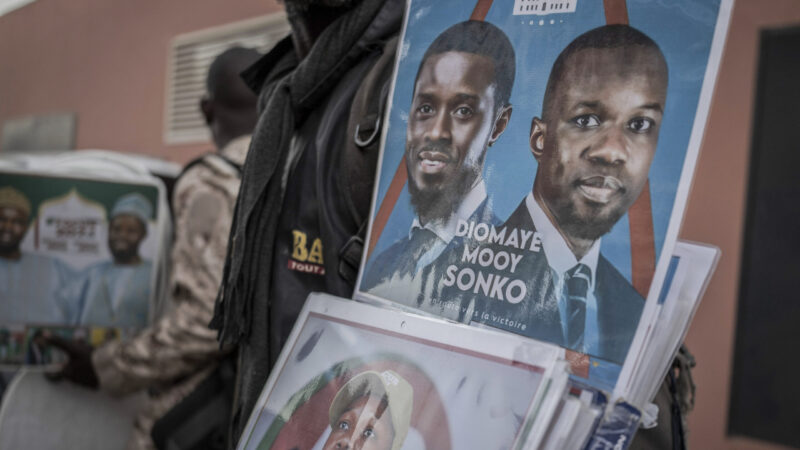
Ousmane Sonko’s political rise has been nothing short of remarkable. He has channeled the frustrations of a disenfranchised youth, challenged a perceived entrenched political system, and redefined public discourse around sovereignty, dignity, and the centrality of the people in governance. His journey demands careful analysis—free from both idealism and bias.
A swift political upheaval
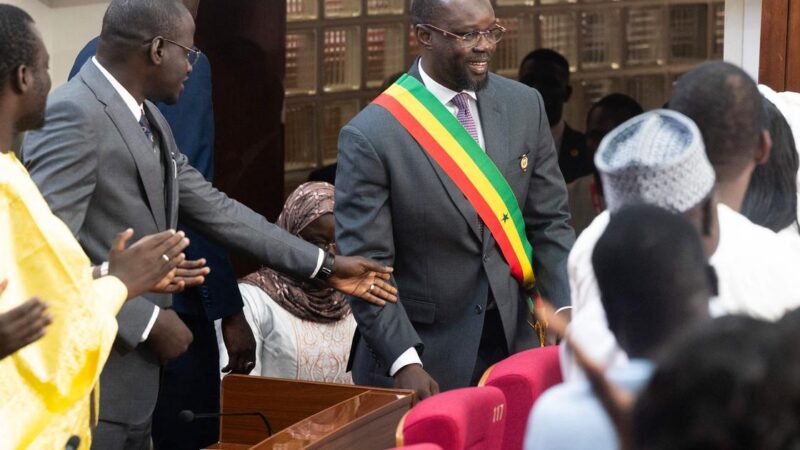
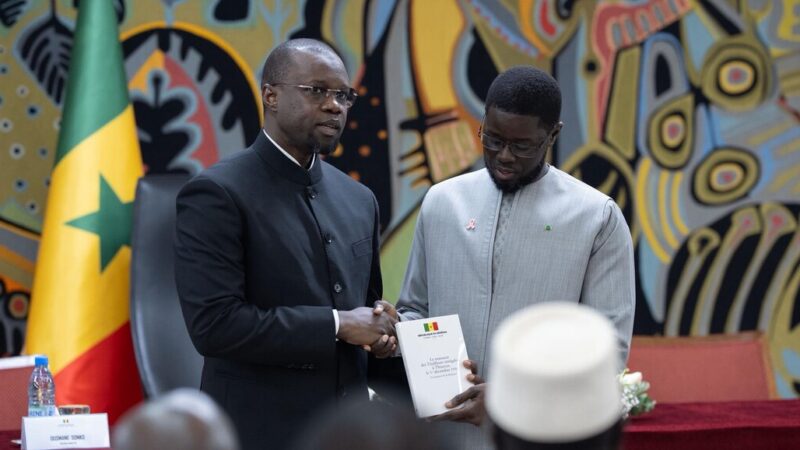
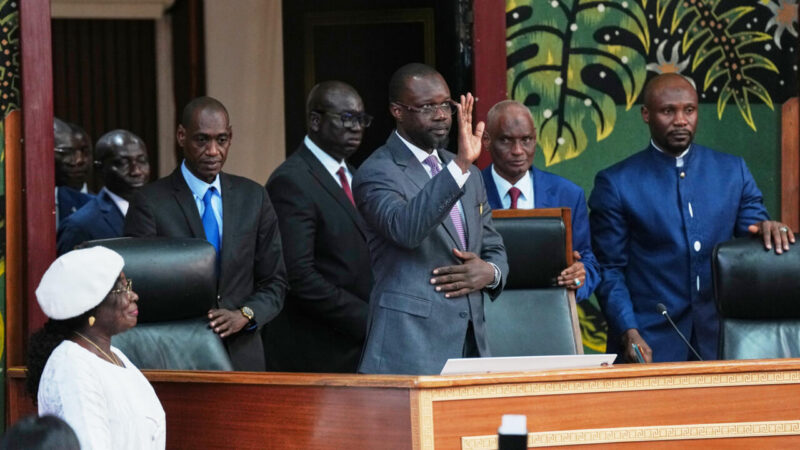
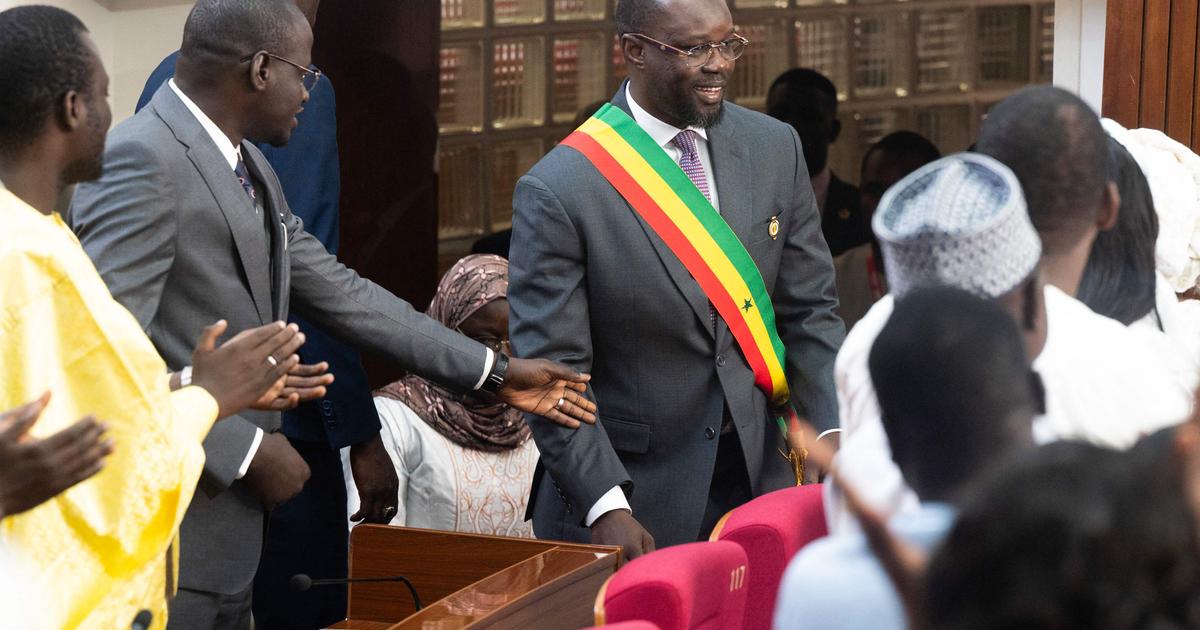
The recent events have unfolded at an unprecedented pace. On May 22, President Bassirou Diomaye Faye dismissed Ousmane Sonko from his post as Prime Minister. The very next day, Malick Ndiaye, then President of the National Assembly, resigned—strategically paving the way for a new leadership. By May 25, Ahmadou Alhaminou Mohamed Lô was appointed Prime Minister, and by May 26, Sonko was overwhelmingly elected President of the National Assembly with 132 votes out of 165. His election, described by some as historic and by others as an institutional coup, solidified his position as the leading figure of the Pastef party and the primary opposition to President Faye.
Now, critical questions loom. Will the Pastef party, which voted unanimously for Sonko’s election, support—or even join—the new government led by the technocratic Prime Minister? The party has already set conditions, emphasizing “fidelity to the 2024 victory platform”—a program originally championed by Sonko. While Sonko has signaled a willingness to engage in institutional reconciliation, he has also made it clear that the National Assembly will “fully exercise its constitutional prerogatives.”
The political turbulence has not gone unnoticed. The country’s sovereign credit rating has been downgraded from “stable” to “negative,” underscoring the stakes of this transition.
The dilemma of charismatic leadership
Sonko’s strength lies in his ability to embody multiple roles: Prime Minister, political movement leader, and the emotional symbol of a generation. Yet this very duality poses a structural risk. When a leader occupies both the symbolic space of the state and the movement, democracy can weaken not through force, but through the gradual erosion of institutional checks.
The tension between popular legitimacy and constitutional authority is not new. For months, Sénégal has grappled with a singular ambiguity: Who truly held power—the elected president or the charismatic opposition leader? The legitimacy of the ballot box or the legitimacy of mass mobilization? The authority of institutions or the authority of a single figure?
History shows that such dualities cannot endure indefinitely. Governance requires hierarchy, compromise, and the acceptance of institutional limits. The challenge Sonko faces is profound: Can he transition from being the driving force of a revolutionary movement to a statesman operating within the constraints of democratic institutions? Can he accept that the project he helped create may outlast his personal leadership?
A test for democratic resilience
The true measure of a leader’s greatness is not in their ability to seize power, but in their willingness to submit to the discipline of democratic norms. Sénégal now stands at this crossroads. The outcome will determine not only the future of the Pastef party but also the long-term stability of the country’s democracy.
This is not just a political transition—it is a test of institutional maturity. The way this tension is resolved will shape the nation’s trajectory for years to come.