The unfolding political tension in Senegal transcends a mere clash between two individuals. It embodies a deeper confrontation: the struggle between institutional legitimacy and charismatic leadership. This age-old dynamic, well-documented in political theory, often leads to a phenomenon known as hubris—a condition where power becomes concentrated in a single figure, potentially undermining democratic balance.
Ousmane Sonko’s political journey is a testament to this tension. Rising to prominence through relentless energy, he has channeled the frustrations of Senegal’s marginalized youth, challenged a perceived closed political system, and championed a new political discourse centered on sovereignty, dignity, and the empowerment of ordinary citizens.
Institutional shifts and political power plays
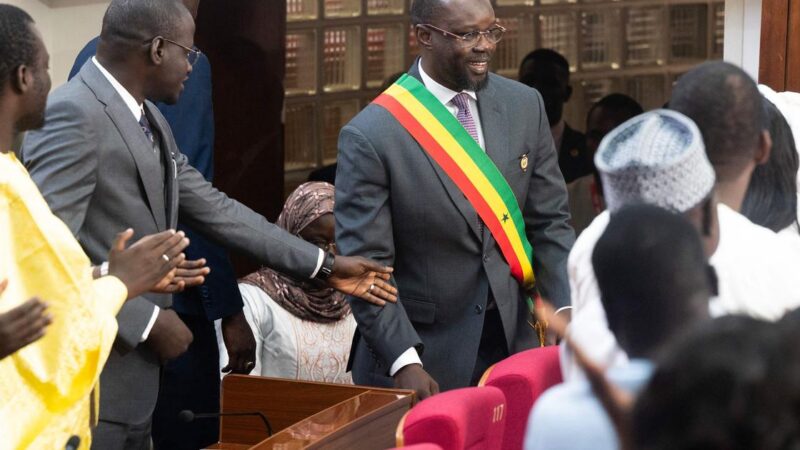
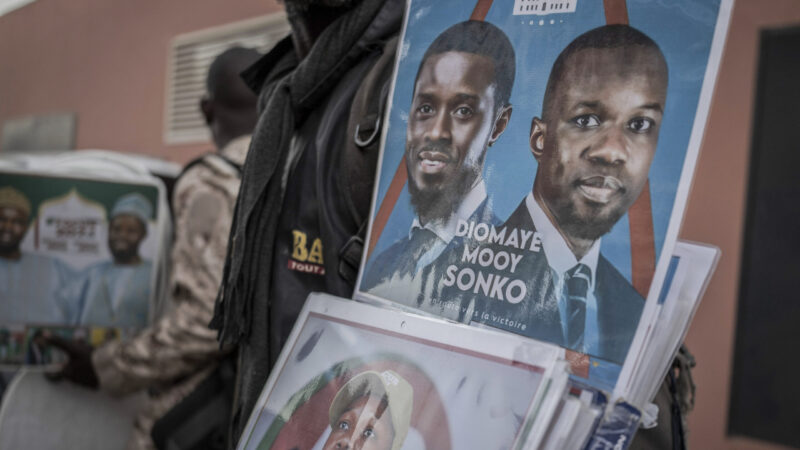
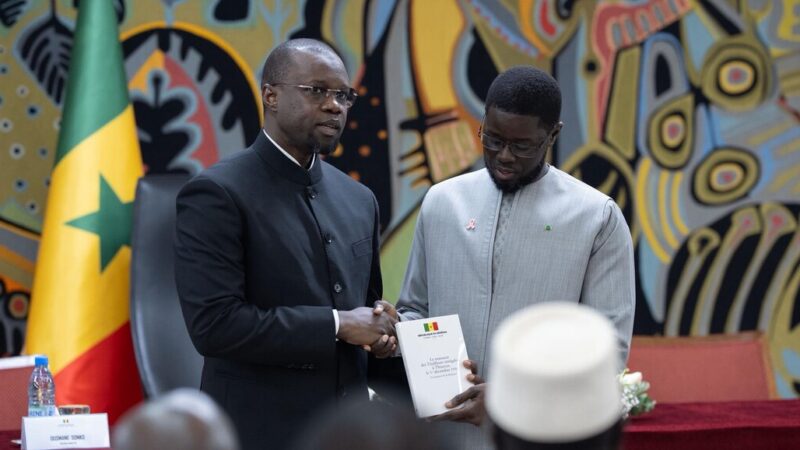
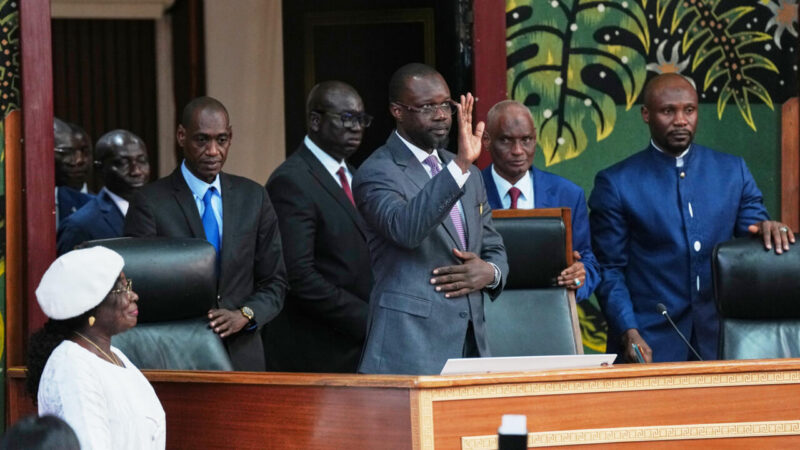
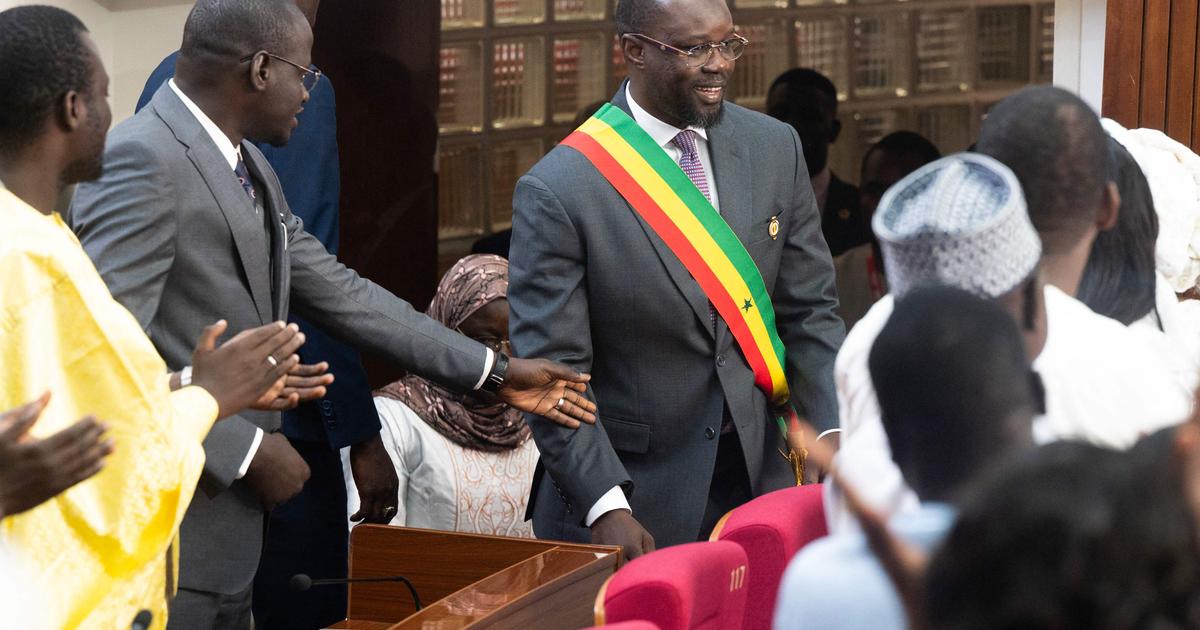
The rapid political developments in late May reshaped the balance of power. On May 22, President Bassirou Diomaye Faye dismissed Sonko from his role as Prime Minister. By May 23, the Speaker of the National Assembly, Malick Ndiaye, resigned strategically, creating a vacancy. On May 25, Ahmadou Alhaminou Mohamed Lô was appointed Prime Minister, and just a day later, on May 26, Sonko was overwhelmingly elected as the new Speaker of the National Assembly—securing 132 out of 165 votes. This swift sequence of events solidified his position as the leader of the Pastef party, which he founded, and transformed him into the primary opposition figure to Faye, his former ally in a turbulent political partnership.
Reactions to this shift have been starkly divided. While some hail it as a historic election, others condemn it as an institutional coup. The pivotal question now is whether the Pastef party, which voted unanimously for Sonko, will continue to support—or even join—the new government led by the technocratic Prime Minister. According to internal discussions, the president’s party has set conditions, emphasizing “loyalty to the 2024 election manifesto”—a program closely associated with Sonko himself.
Sonko’s response has been measured yet assertive. While he has signaled a willingness to engage in institutional reconciliation, he has also made it clear that the National Assembly will fully exercise its constitutional powers. He further criticized the lack of consultation in the Prime Minister’s appointment, underscoring the growing rift between the executive and legislative branches.
Charismatic leadership vs. democratic institutions
Sonko’s influence is undeniable. He has fundamentally reshaped Senegal’s political landscape, mobilizing a generation that felt politically sidelined. Yet, the very nature of charismatic leadership poses a challenge to democratic institutions. When a single figure embodies both the state and the movement, the boundaries between personal loyalty and institutional authority blur, risking the erosion of democratic checks and balances.
Senegal’s political ambiguity over the past months—where power seemed shared between an elected president and a charismatic opposition leader—could not endure indefinitely. In any democracy, institutions must ultimately reclaim primacy. A state cannot function sustainably with dual centers of power. Sonko’s strength lay not only in his role as Prime Minister but in his ability to remain the undisputed leader of the Pastef movement, the government’s head, and a symbolic figure for a significant portion of Senegal’s youth.
This is where the risk of hubris emerges: when a leader occupies the space of the state, the people, and the movement simultaneously. The danger is subtle yet profound—democratic institutions may weaken not through overt repression but by fading into the background, overshadowed by the emotional weight of a dominant political personality. Senegal’s political parties remain deeply centered around strong figures, while Parliament struggles to assert itself as an autonomous counter-power, despite constitutional mandates.
An institutional trial by fire
The critical question facing Senegal today is not moral but institutional. Can Ousmane Sonko accept that institutional legitimacy must now take precedence over charismatic authority? Can he reconcile himself to the idea that the movement he helped create may no longer be his exclusive domain? Can he transition from being the driving force behind a historic political shift to becoming one actor among many within a durable institutional order?
History shows that many African political movements have triumphed in opposition only to falter when faced with the complexities of governance. Leadership in power demands more than mobilization—it requires compromise, institutional hierarchy, and sometimes the acceptance of personal diminishment in favor of the state’s continuity. True leadership is not measured solely by the ability to seize power but by the capacity to respect the limits imposed by democratic institutions.
Senegal may now be entering a defining moment. The manner in which this tension is resolved will determine not only the future of the Pastef project but also the long-term stability of the country’s democracy.