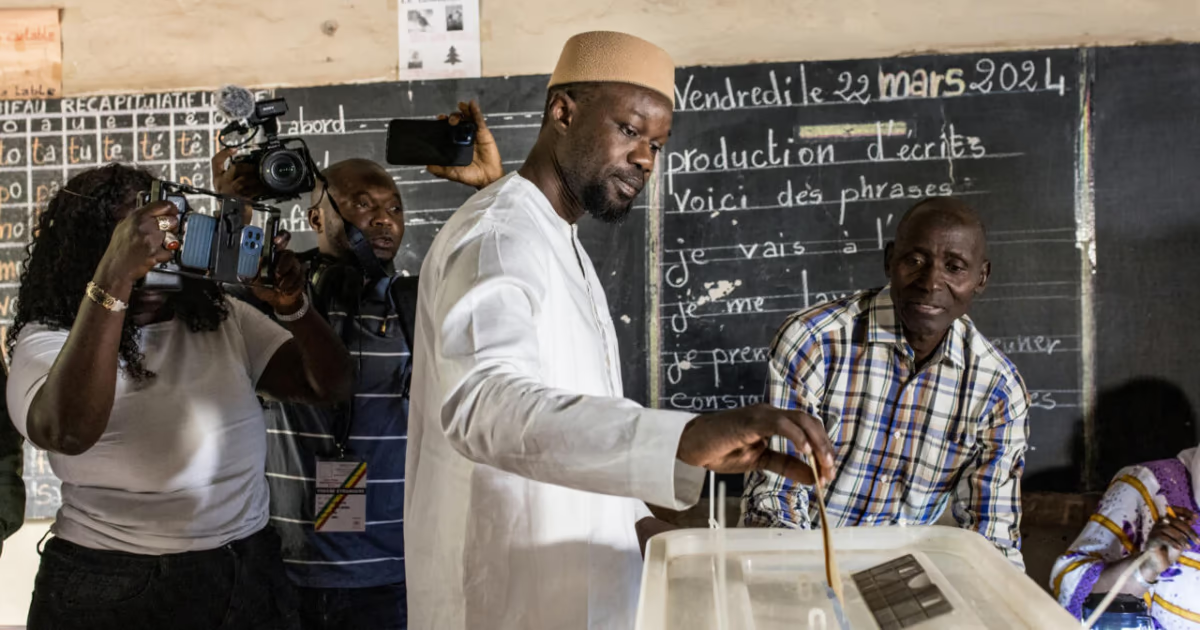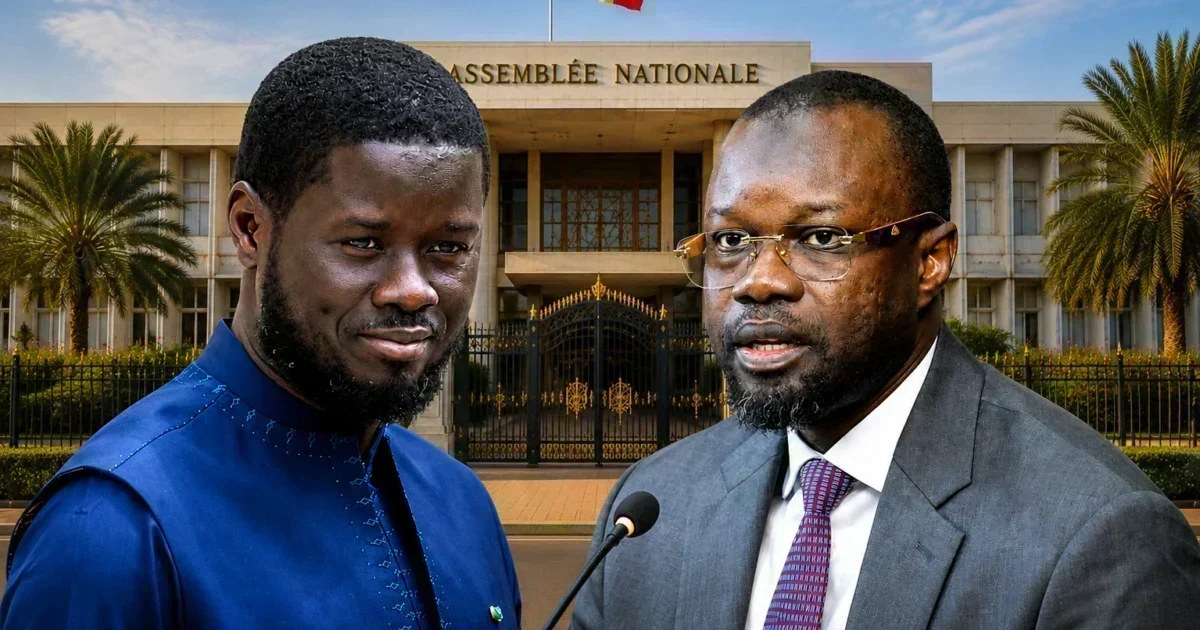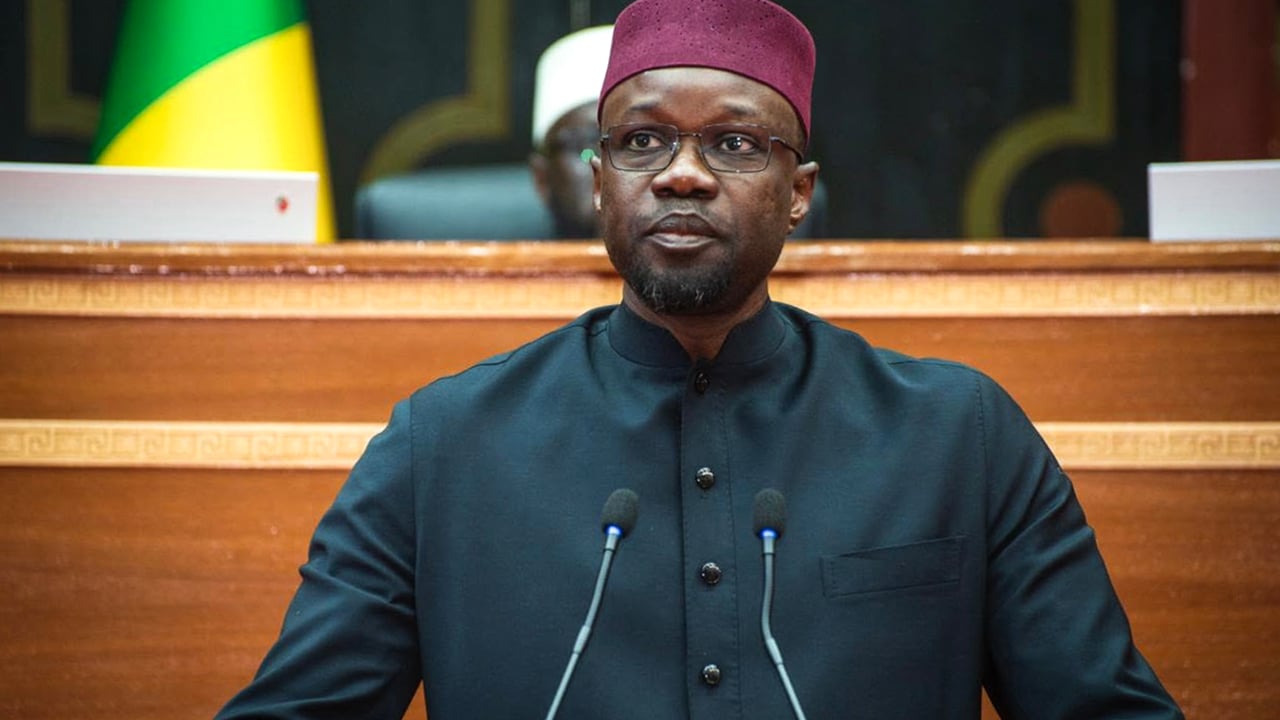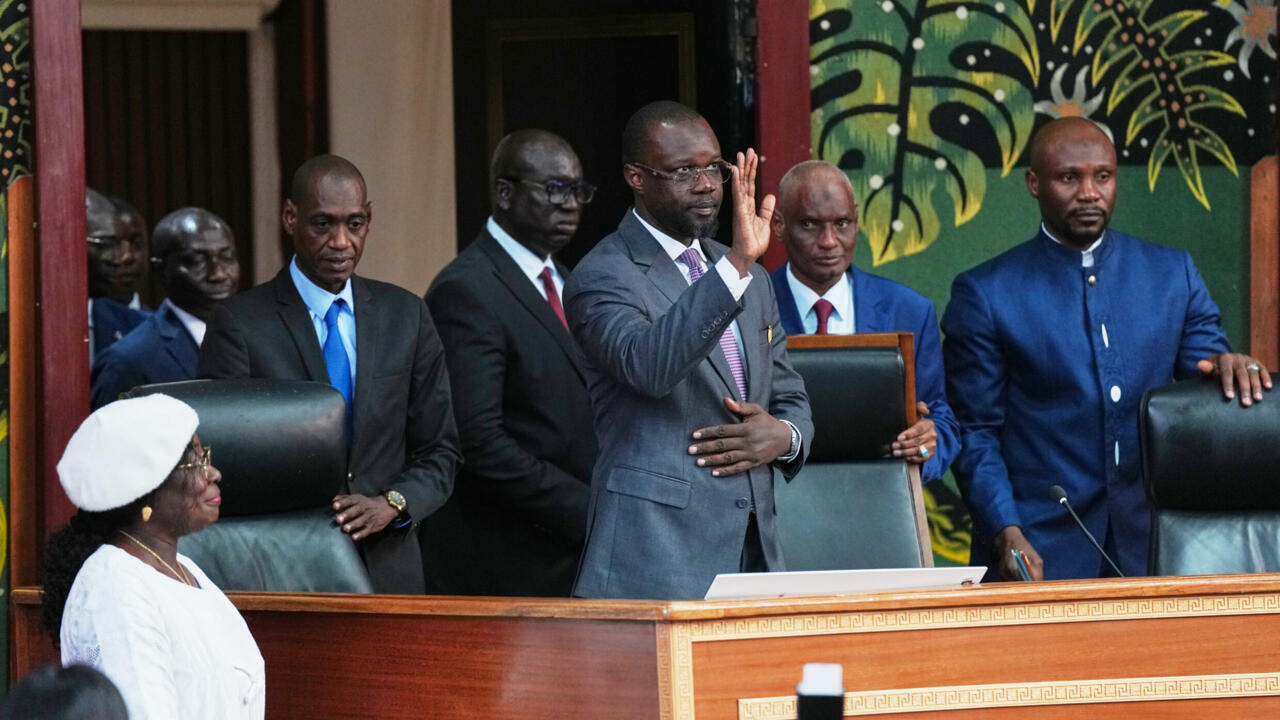
In Dakar, the election of Ousmane Sonko as President of Senegal’s National Assembly has sent ripples through the political landscape. His victory, secured on Tuesday morning, places him at the helm of an institution now controlled by a rival to President Diomaye Faye. Sonko’s rise to power comes with a clear message: the Assembly will not merely rubber-stamp government decisions.
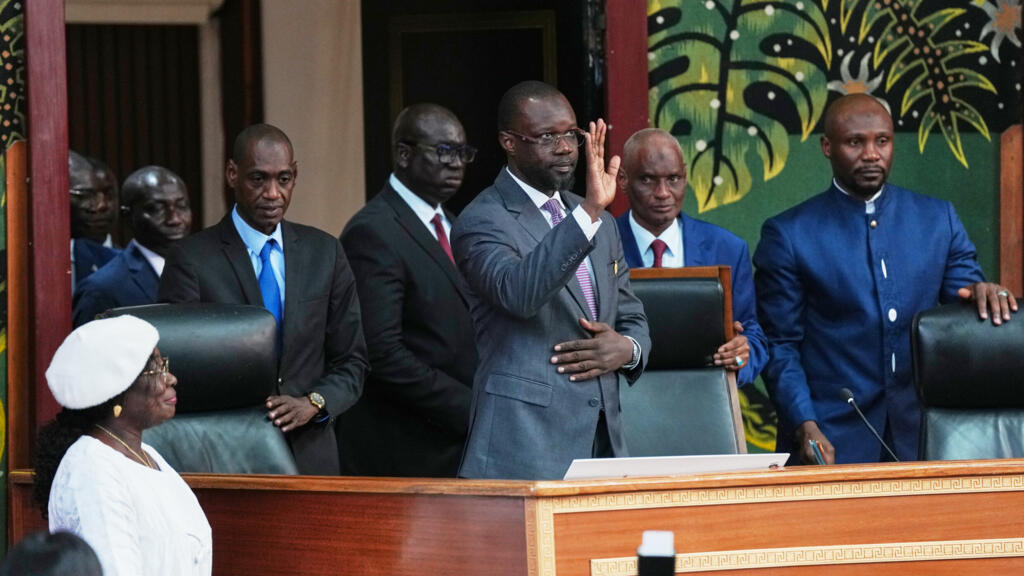
Navigating a complex political landscape
Sonko’s election raises critical questions about Senegal’s governance moving forward. With President Diomaye Faye facing an Assembly led by his political opponent, the stage is set for potential cohabitation challenges. Sonko has acknowledged these difficulties but emphasized that constructive dialogue remains possible.
“Cohabitation can be very challenging,” Sonko stated, “but it can also be peaceful if all parties commit to mutual respect and collaboration.” His words signal a cautious optimism amid the political transition.
Potential consequences for Senegal’s political future
Analysts are closely watching how this dynamic will unfold. The National Assembly’s resistance to becoming a mere “recording chamber” for government decisions could lead to legislative gridlock. This raises concerns about:
- Possible dissolution of the Assembly
- Anticipated legislative elections
- Impact on President Faye’s reform agenda
Further reading: Senegal’s new political era: what to expect from Ousmane Sonko’s Assembly leadership