Senegal politics: Ousmane Sonko elected assembly president after cabinet reshuffle
Political developments.
Ousmane Sonko’s swift rise to assembly leadership after government exit
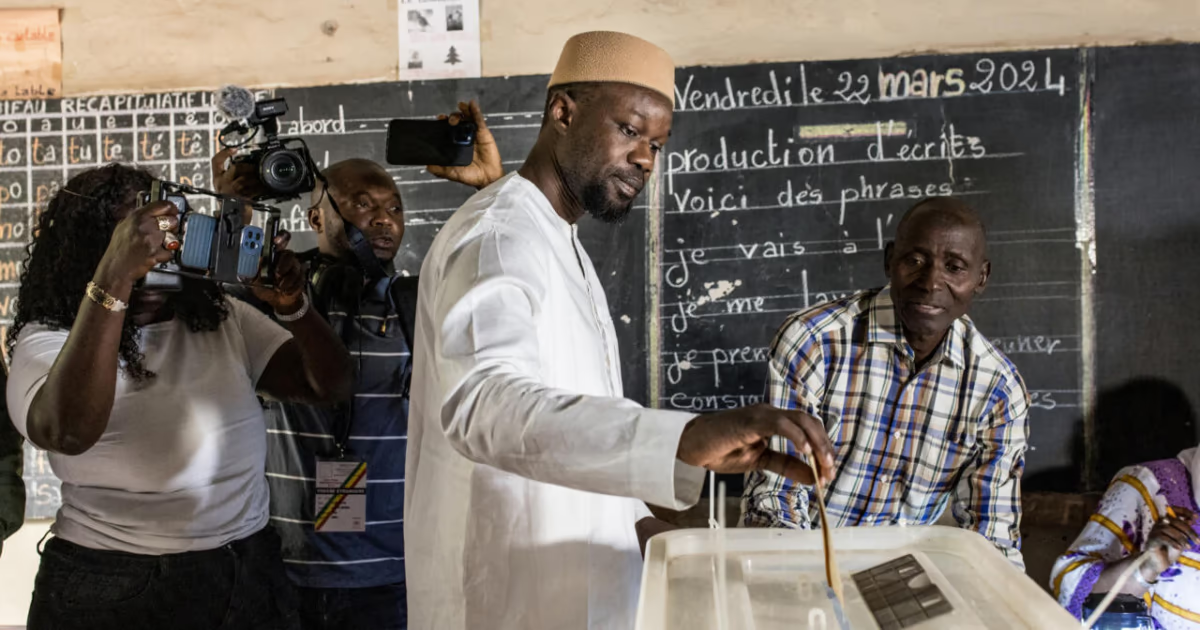
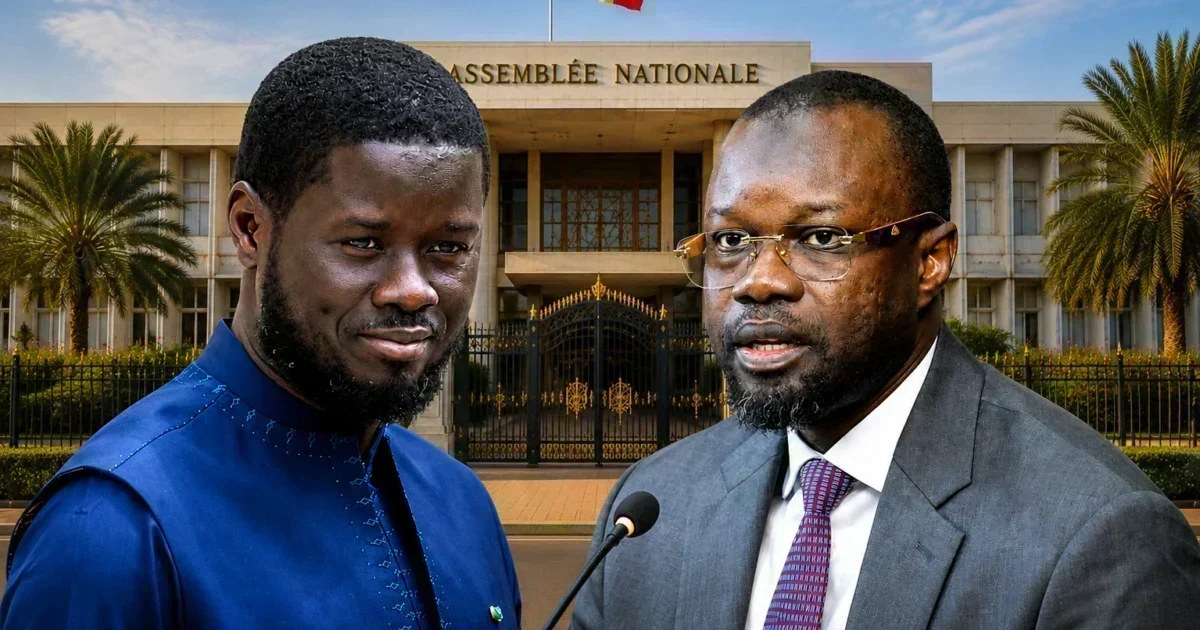
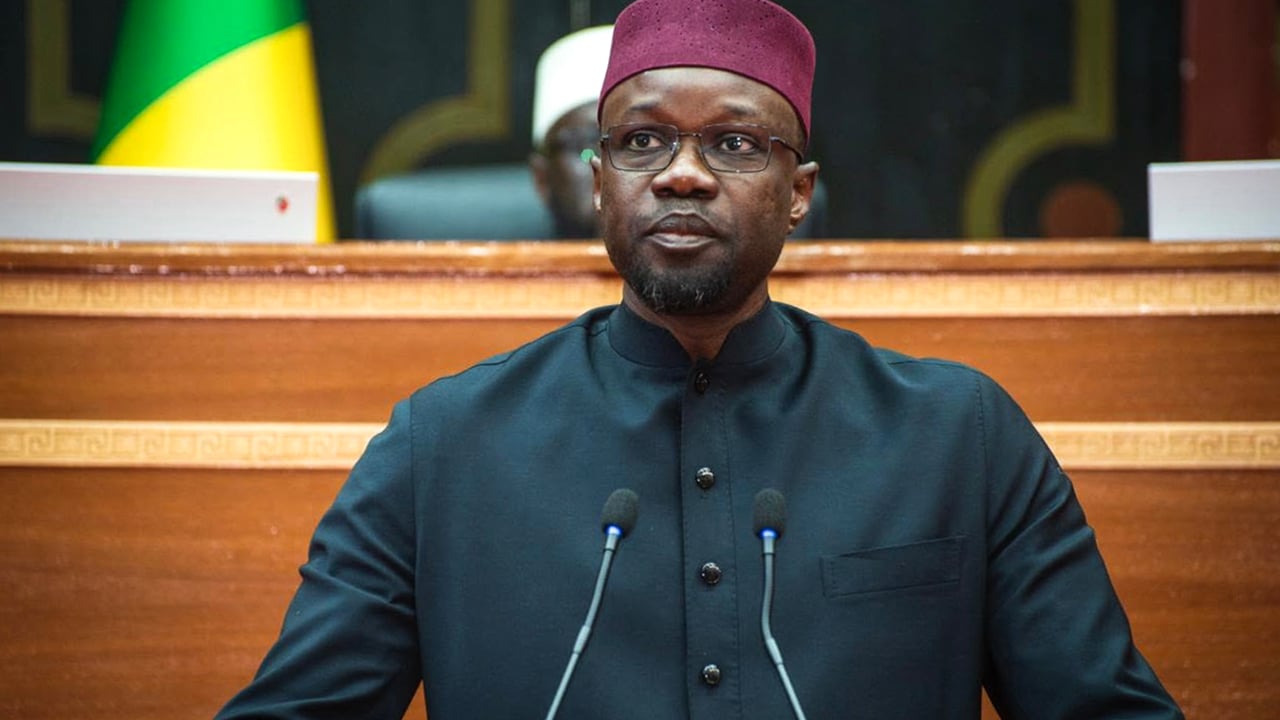
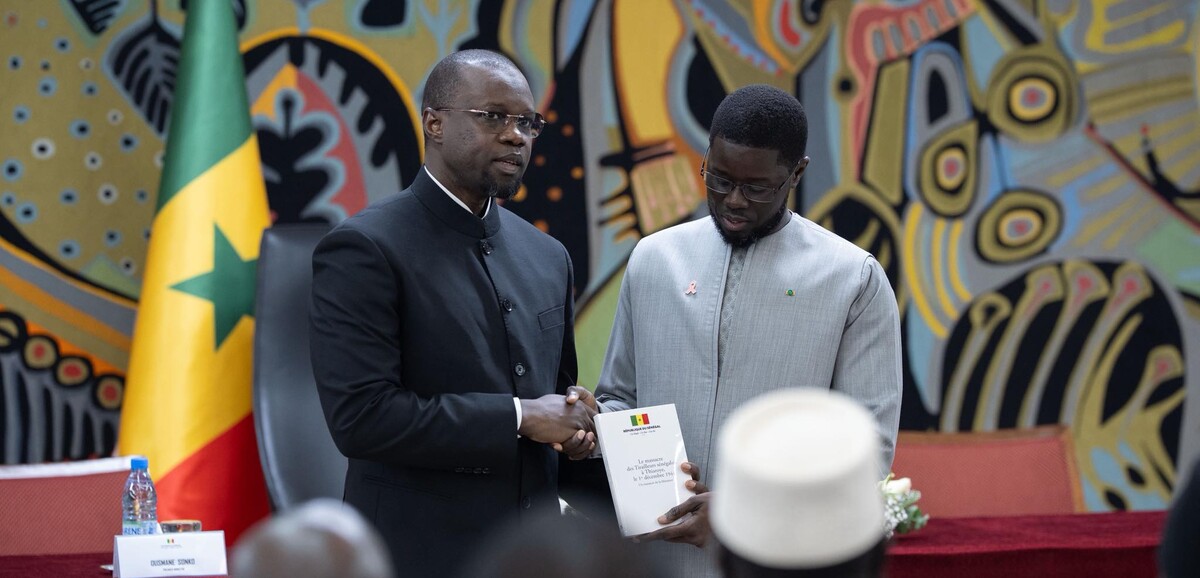
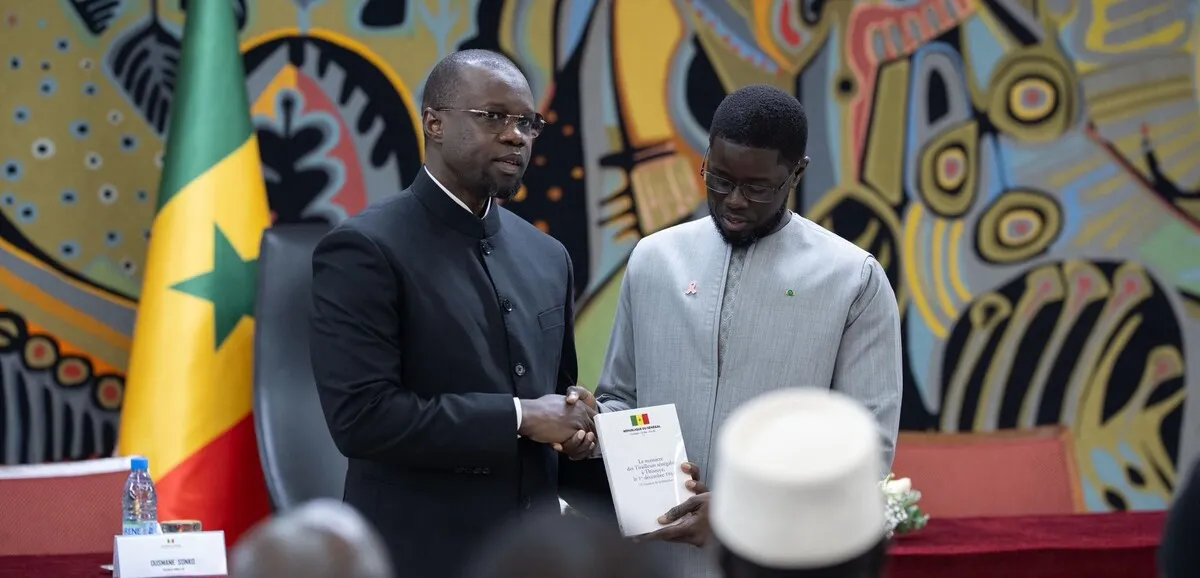
Just five days after his removal from the prime minister’s office, Ousmane Sonko has been elected president of Senegal’s National Assembly. The move comes as President Bassirou Diomaye Faye appoints a new head of government, marking a significant shift in the country’s political landscape.
Legal debates surround Sonko’s parliamentary reinstatement
Sonko’s return to parliament sparked discussions about constitutional procedures. Critics questioned whether his reinstatement as a deputy followed proper parliamentary rules. The debate centers on whether his previous role as prime minister—despite leading the winning list in 2024—disqualified him from reclaiming his legislative seat after his dismissal.
Amadou Al-Aminou Lo takes helm as new prime minister
The president has named economist and high-ranking civil servant Amadou Al-Aminou Lo as the new prime minister. Lo, a former central bank executive with deep financial sector expertise, previously served in government and has close ties to both the president and Sonko. Sonko himself revealed during a parliamentary address that Lo had been his nominee for secretary-general of the government.
The selection reflects a strategic choice, prioritizing technical competence over political alignment. In an era of economic challenges both domestically and globally, Lo’s background in monetary policy and financial markets positions him to address pressing economic concerns. His ability to navigate relationships with key political figures further enhances his potential effectiveness.
Sonko highlights need for dialogue despite unconsulted appointment
While Sonko welcomed Lo’s appointment, he expressed disappointment at not being consulted, emphasizing his role as leader of Senegal’s largest political force and parliamentary majority leader. In his inaugural speech as assembly president, he underscored the importance of dialogue moving forward, though the prime minister’s appointment ultimately rests with the president.
Sonko’s remarks suggest potential pathways for cooperation, particularly if key government positions remain unfilled by PASTEF members. The absence of these appointments could signal the government’s direction in the coming months.
Core principles take precedence over individual appointments
Sonko emphasized that the government’s priorities should align with PASTEF’s core values—economic reform, accountability, and justice. He framed the issue not as a matter of personnel choices but as one of fundamental principles guiding public policy.
Notably, some ministers from Sonko’s previous administration who were PASTEF members may retain their positions. The critical factor, Sonko argued, is ensuring that the party’s successful 2024 electoral program remains the foundation for government action under the new leadership.